Modern Masculinity and what it means for brands.
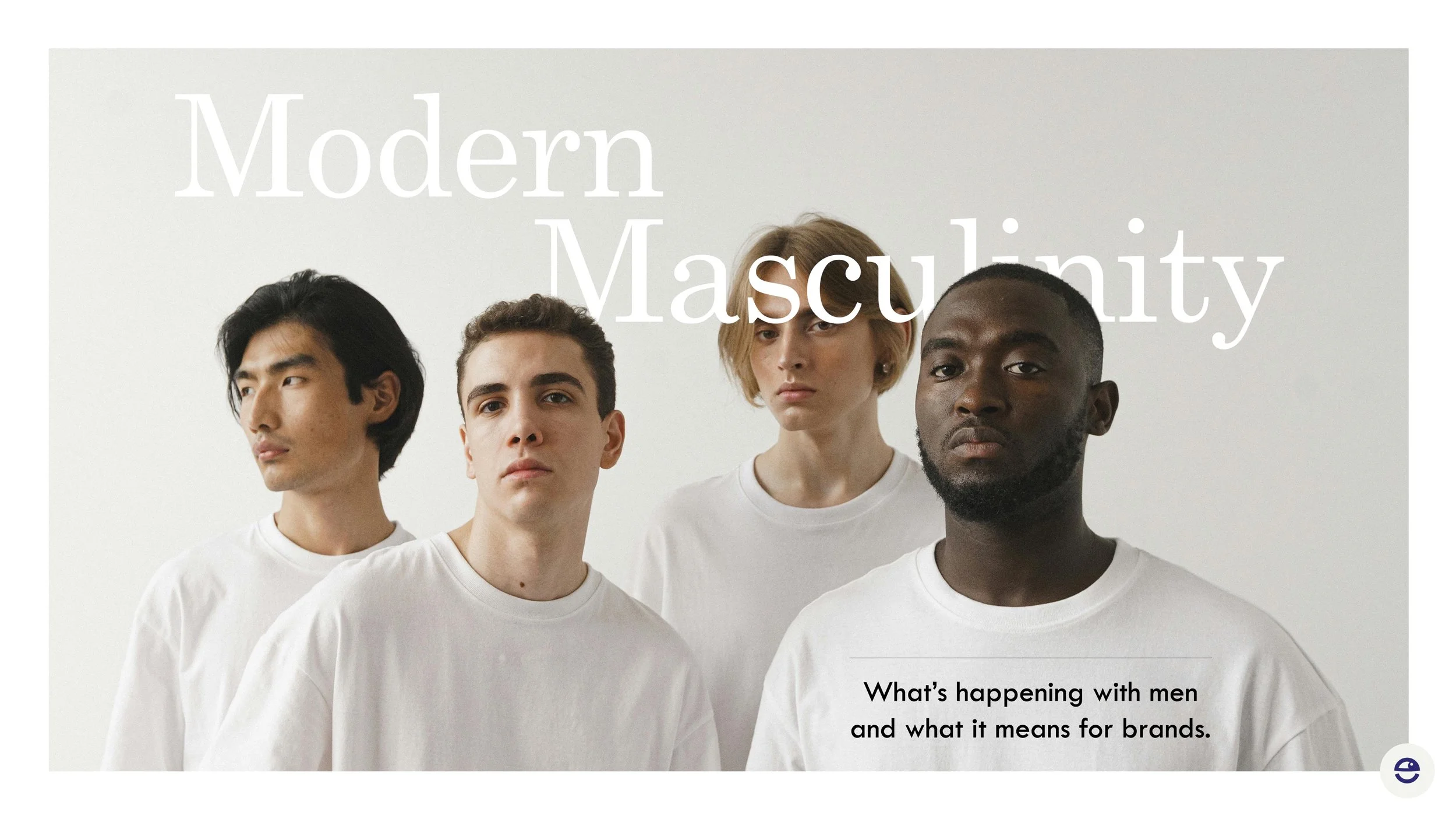
Masculinity is shifting globally.
Modern masculinity is shifting from rigid norms toward emotional literacy, authenticity and self-directed self-care.
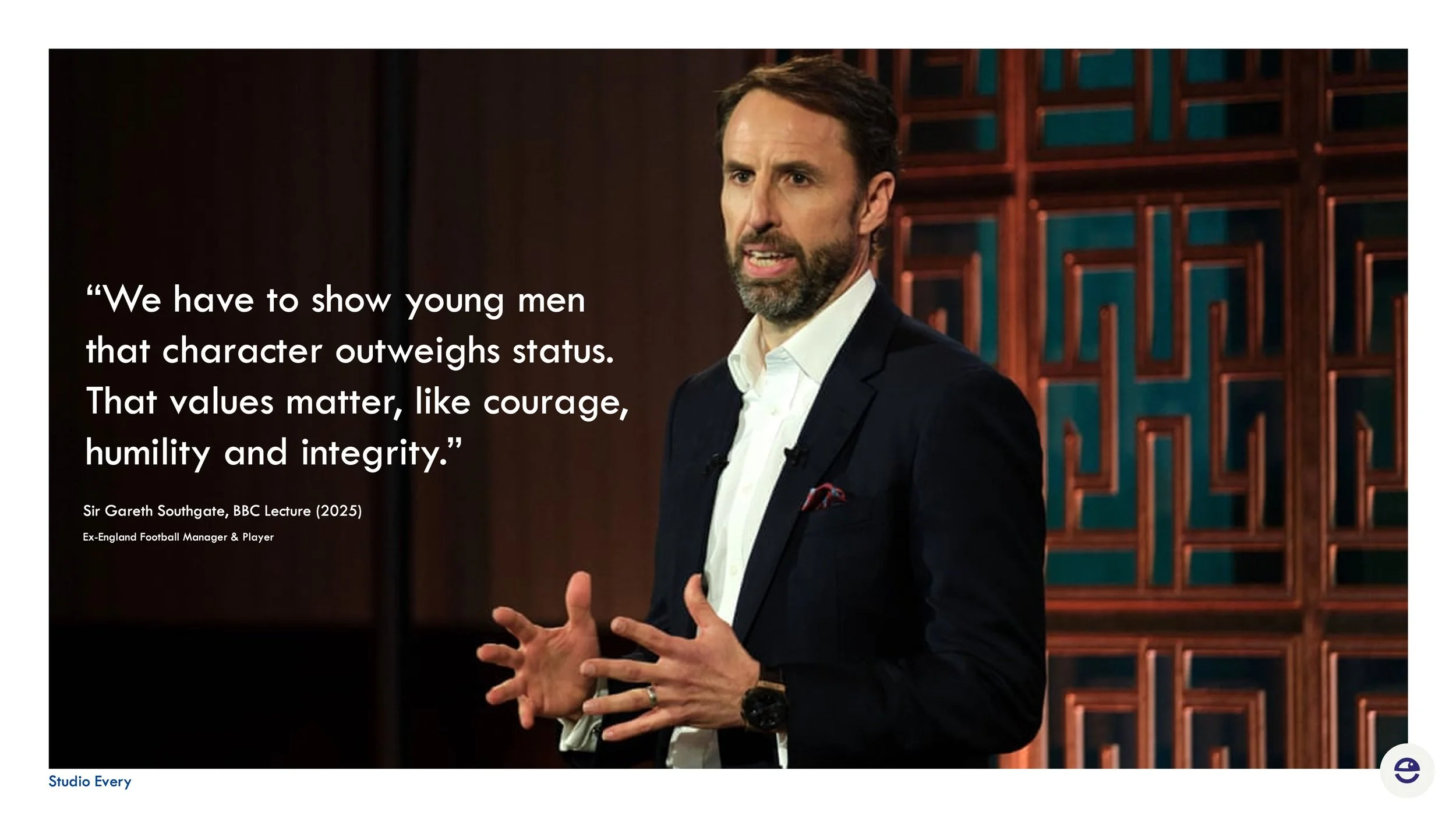
Although, across all regions and income levels, men feel pressure to perform ‘socially approved’ masculinity, even when it conflicts with who they are, how they feel, or what gives them meaning.
→ The role as a caregiver is growing, but that doesn’t yet come with societal status.
→ Social media is a powerful but problematic force by creating unrealistic expectations.
→ The friendship recession has driven initiatives to help men create connection.
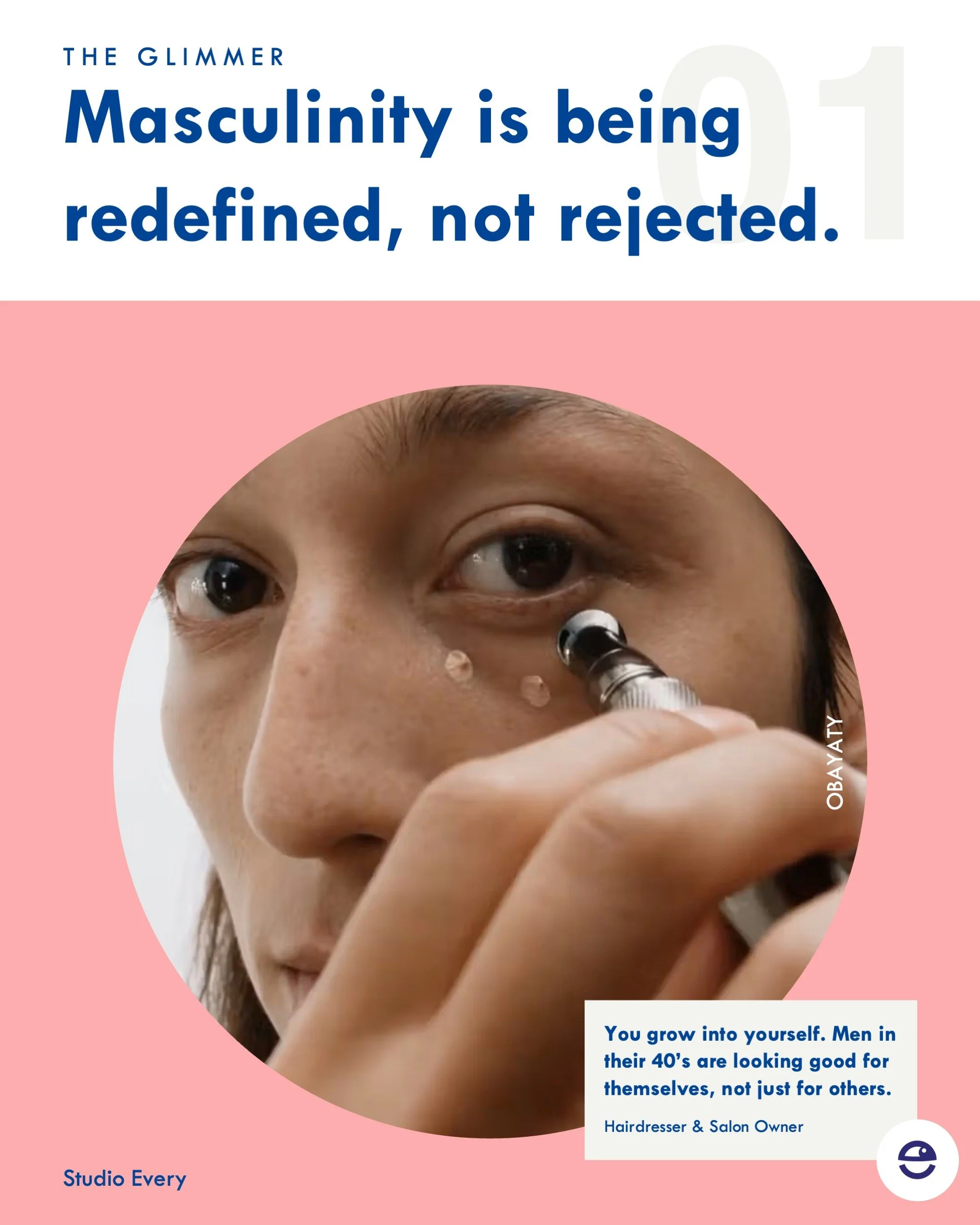
Masculinity is being redefined,
not rejected.
Masculinity becoming less one-dimensional. It’s fluid, expressive, and emotionally intelligent.
The Reality:
33% of Irish men say that being a man is confusing nowadays
(Red C Research, 2025) and 43% of American boys and young men don’t know what it means to be a ‘modern’ man (NRG, 2024).Globally, men are uncovering new purpose in fatherhood *, with care seen as the future of masculinity, but not yet its currency. **
* The New Modern Masculinity, Stylus
** Equimundo (State of American & UK Men 2025 / Masculinities in Morocco and Jordan / Masculinities in Rwanda, South Africa, and Uganda
Brand considerations:
Personal Care
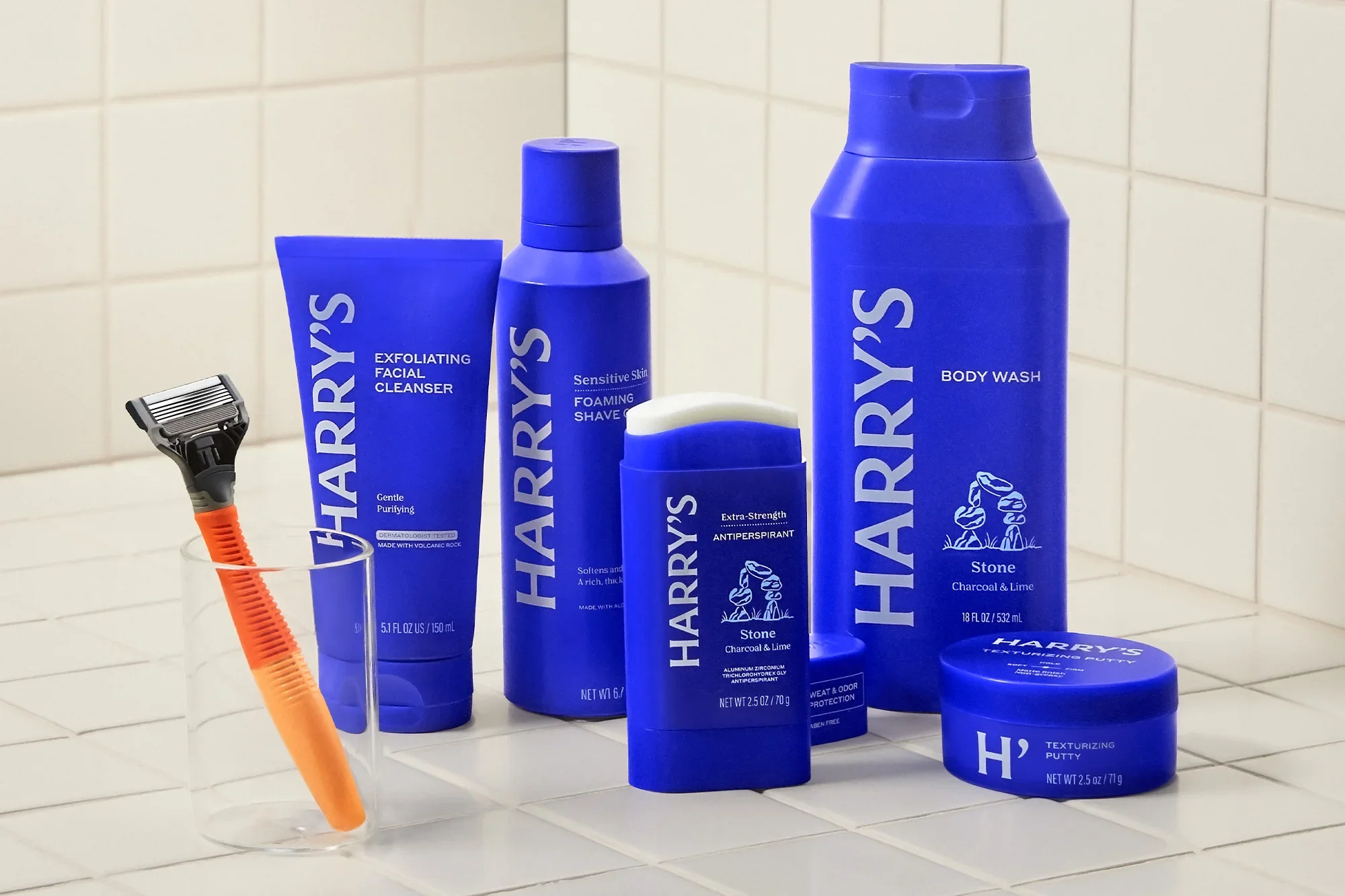
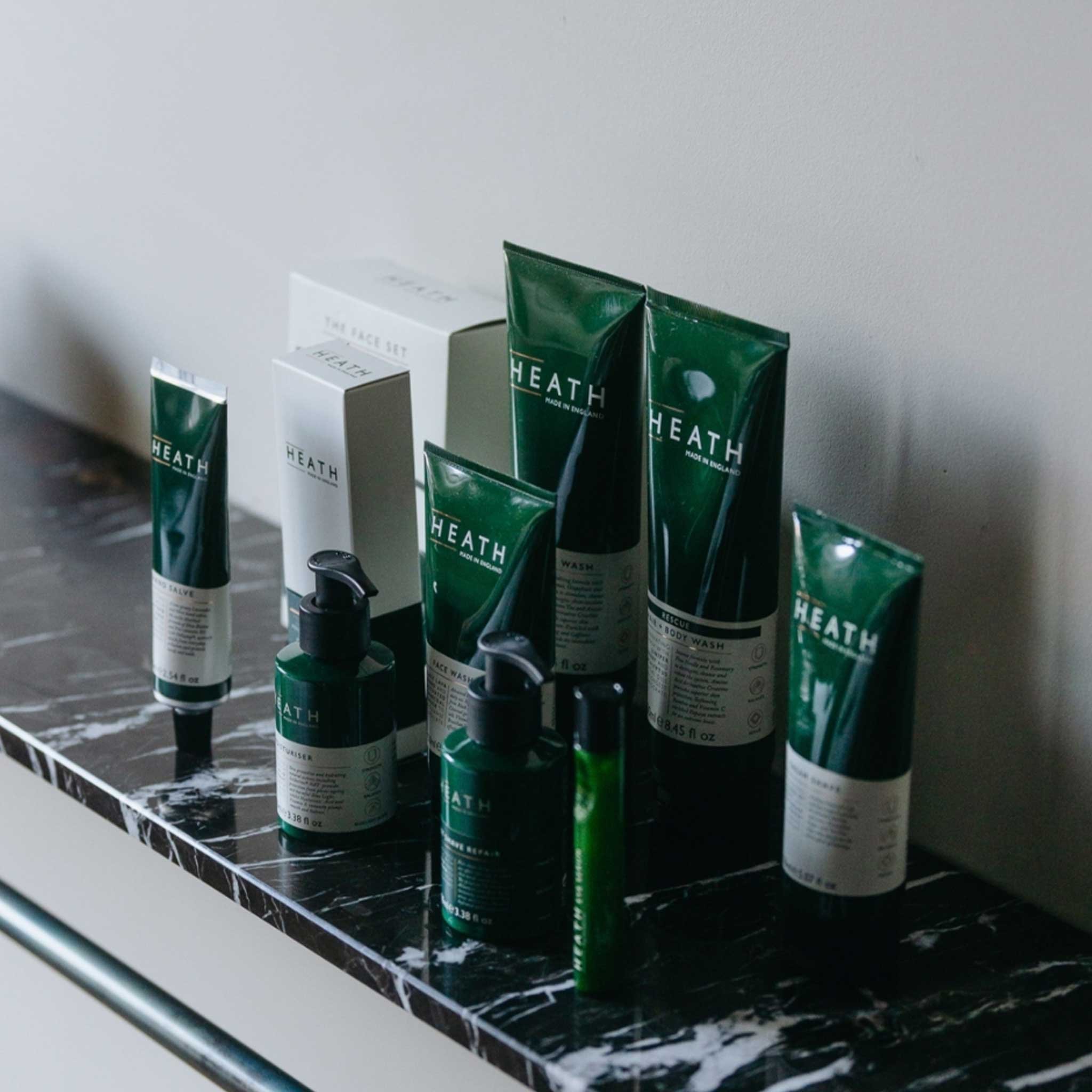
With more men embracing personal care products, identify whether an ultimate all-in-one solution or a staged regime is the most appealing.
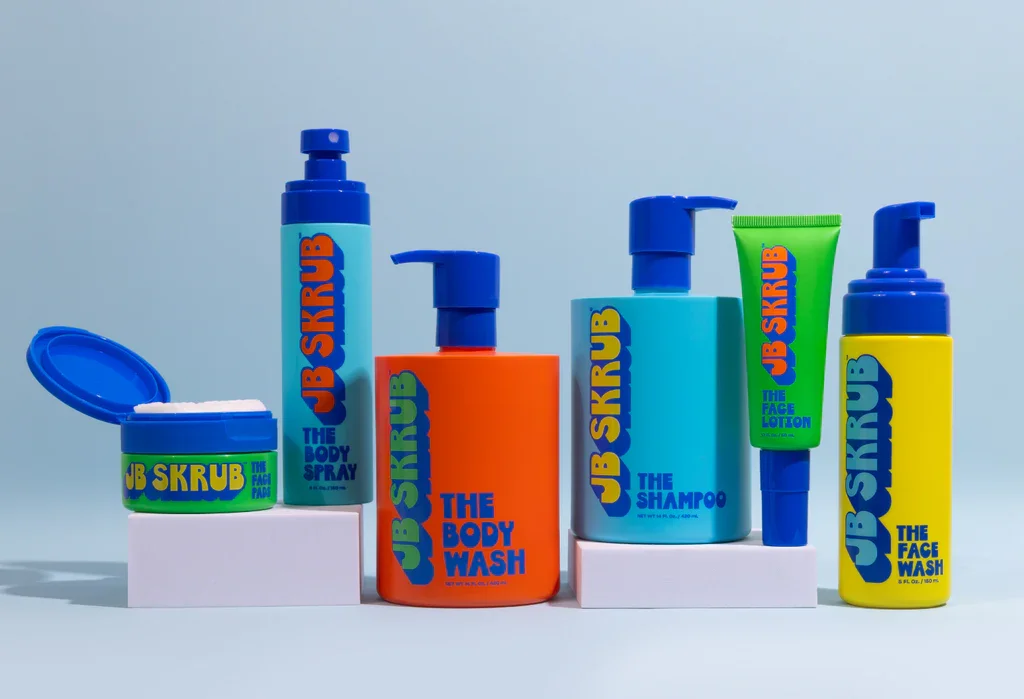
Tread a visual line which balances traditional and modern masculinity cues.
Skincare
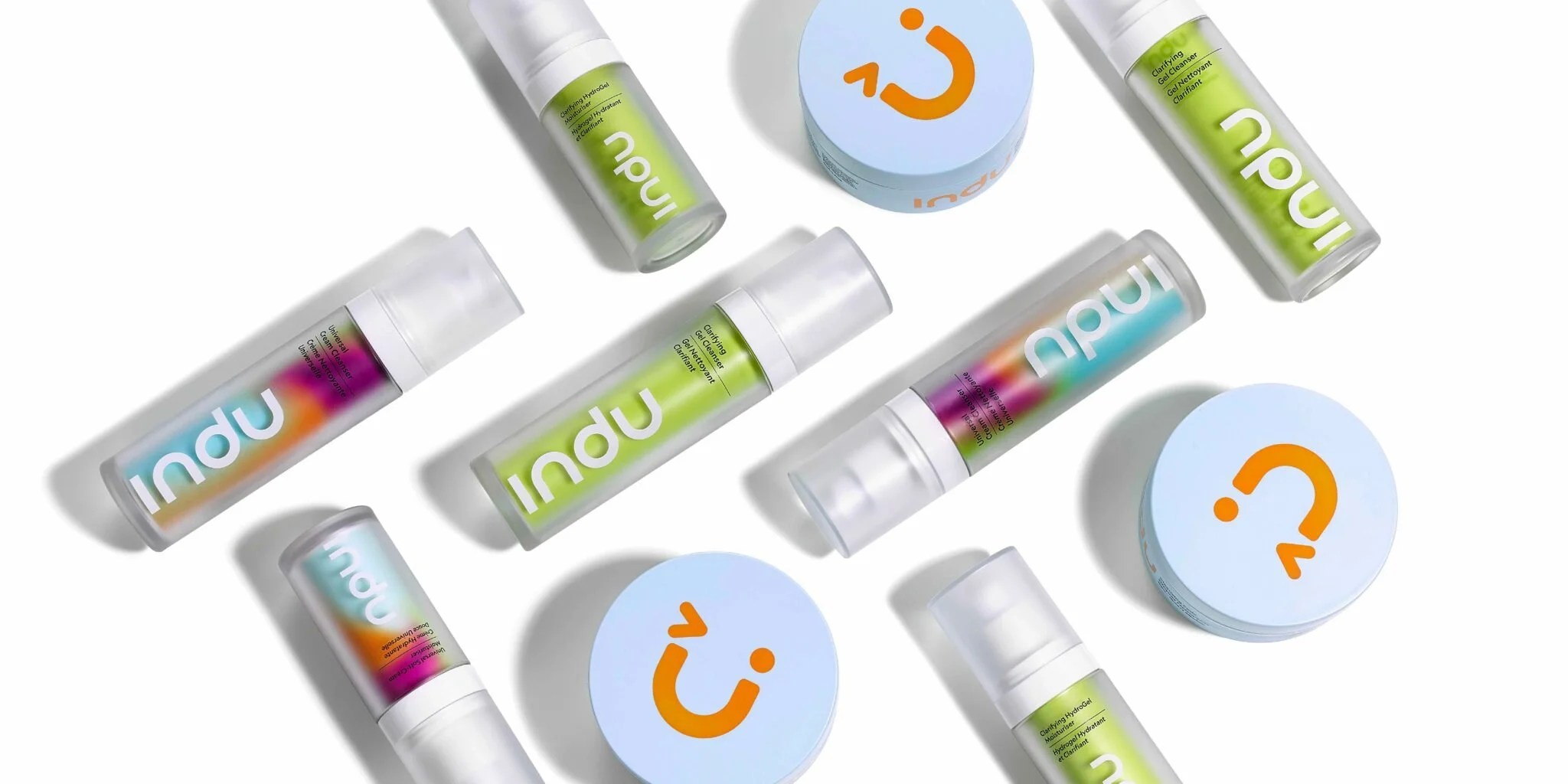
Create habit stacks, base on existing habitual behaviour around shaving to extend the repertoire more easily
Beverages
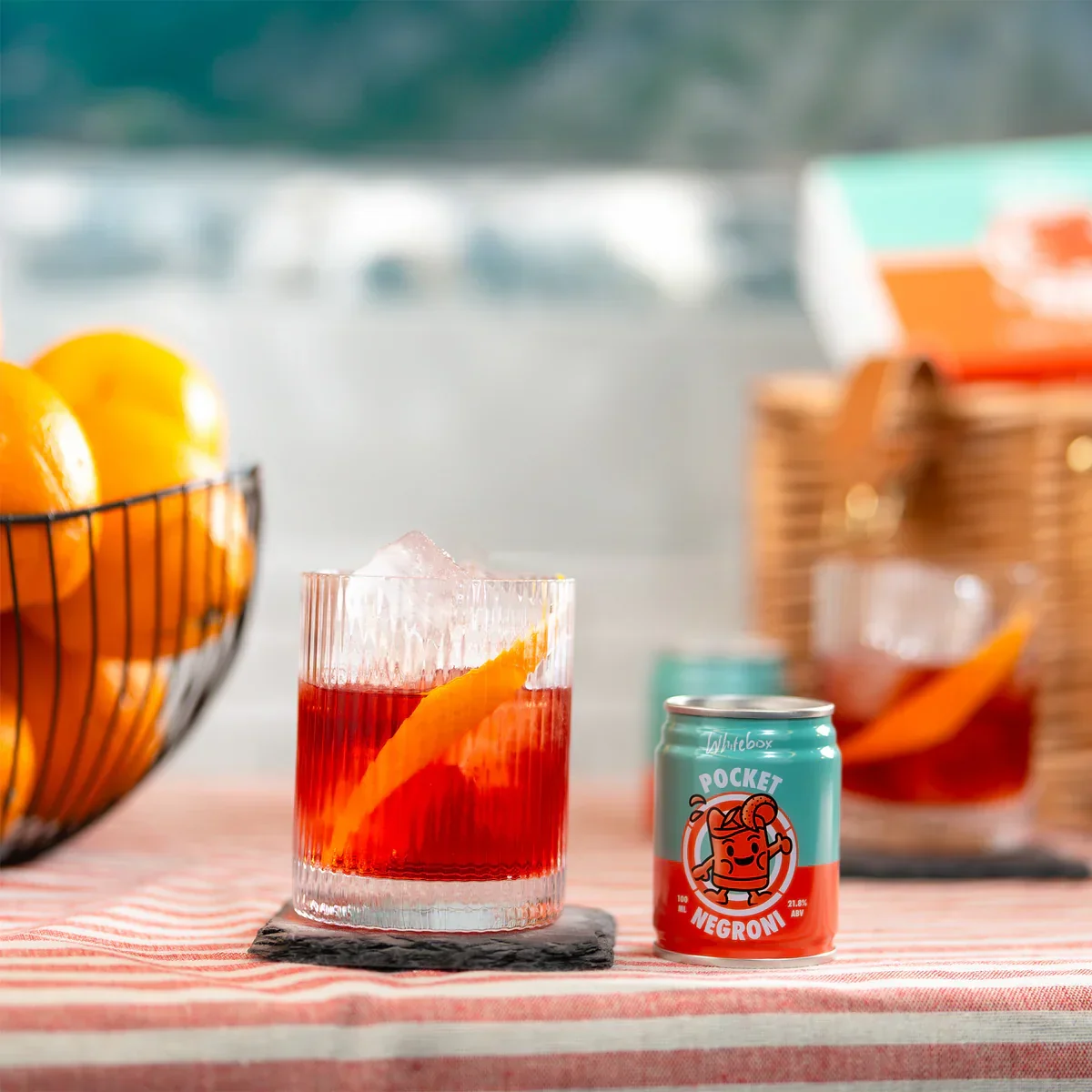
Embrace quality over quantity, by maximising flavour and sensorial & transportive cues, giving men with busy lives ‘bang for buck’ experiences.
Men tell other men about the details they love – create advocacy and word of mouth.
Food & Snacks
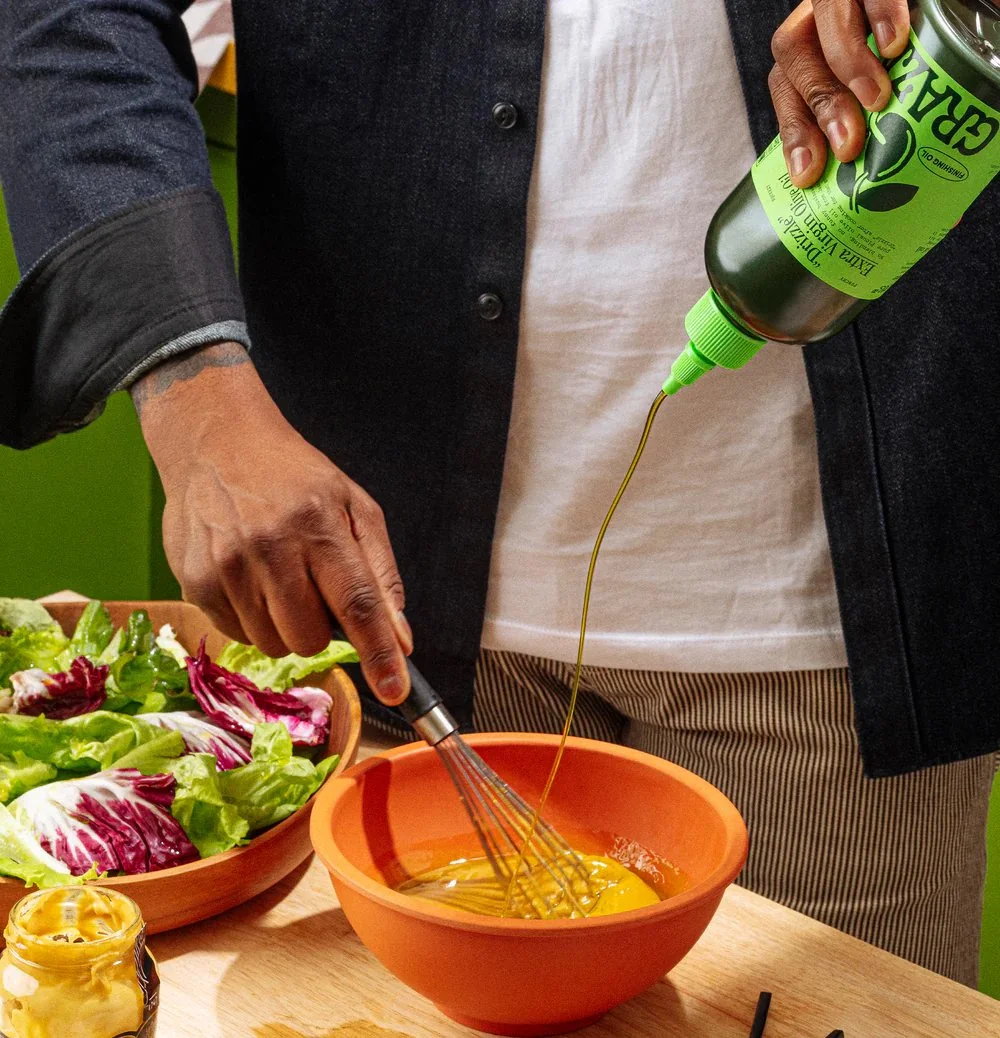
As men shift their role at home and contribute to more cooking, build in preparation and execution rituals.
The softening of the Alpha type mindset doesn’t mean the benefits of functional snacks aren’t desired, but the language around them needs to shift.
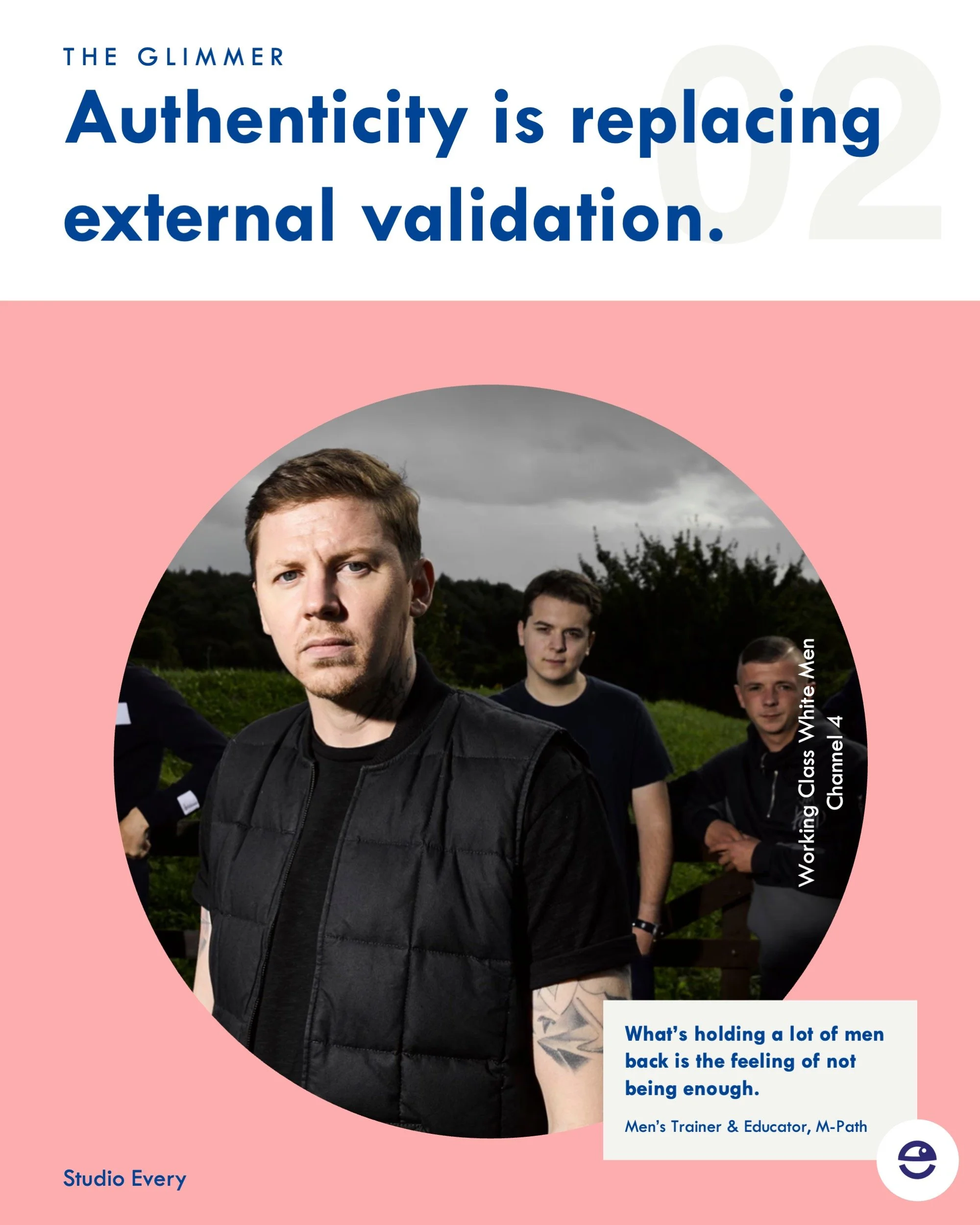
Authenticity is replacing
external validation.
Men are starting to figure out who they are, rather than who society says they’re supposed to be.
The Reality:
Financial security: Men earning more than £70,000 a year were nearly 14x more likely to describe their lives as meaningful than those with the lowest incomes (Equimundo, 2025).
Confidence is what unlocks authenticity. It is increasingly rooted in purpose, self-acceptance and self-expression.
Brand considerations:
Personal Care
Embrace the realities of male physiology rather than painting a picture of perfection, allowing men to feel comfortable with who they are.
Shift language use from ‘perfection’ to ‘reassurance’ and a body in balance.
Beverages
Show up authentically in an era of ‘Zebra striping’ and mainstream Low & No adoption, as men grow more confident to reject societal pressures.
Confidence to be curious and individual with taste, mean beer and spirits can invite experimentation.
Food & Snacks
Re-write the rules on what a man’s portion size should be to break the stereotype of ‘competitive eating to impress.’
Piggyback the rise in GLP-1 jab influenced portions with smaller sizes that pack in goodness.
Cosmetics
Flex how self expression (through something like scent) can dial up and down depending on how confident a man is feeling.
Guide inquisitive men into the touch up space by relating the tools to their specific needs (E.g. beards).
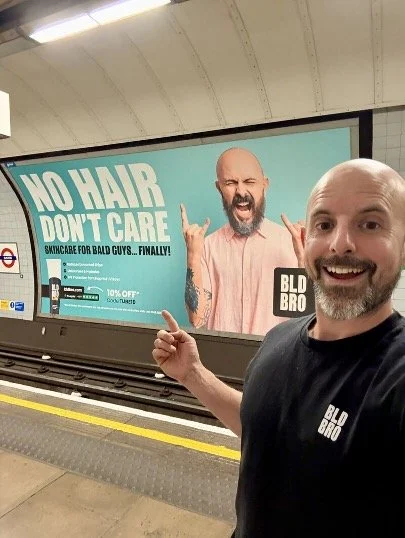
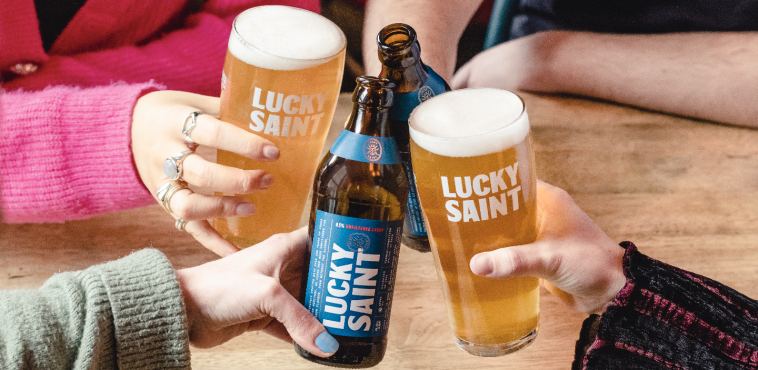
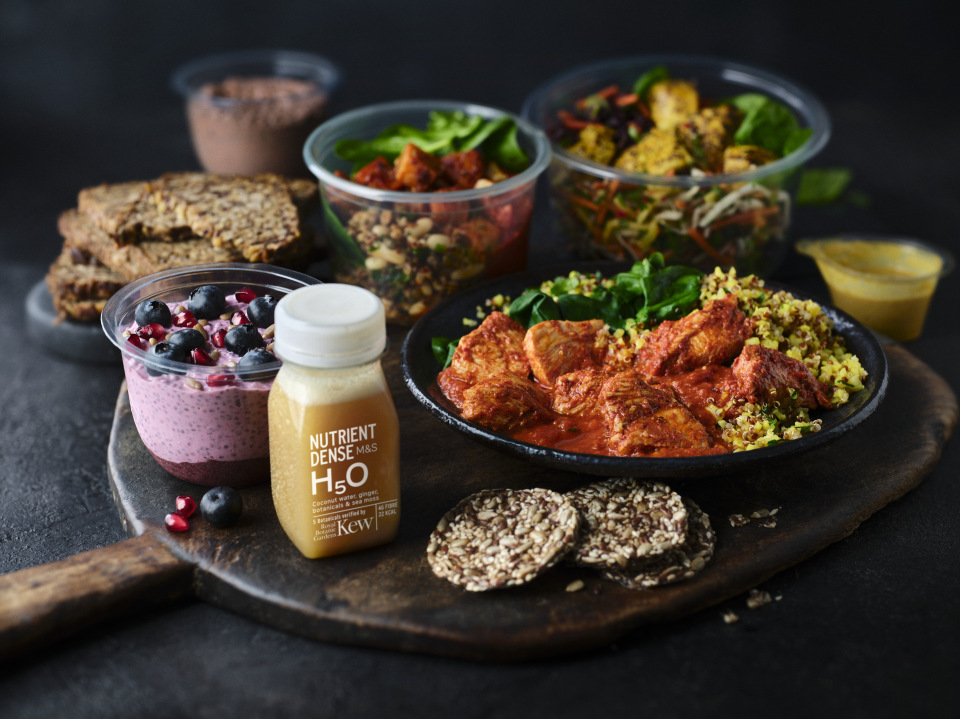
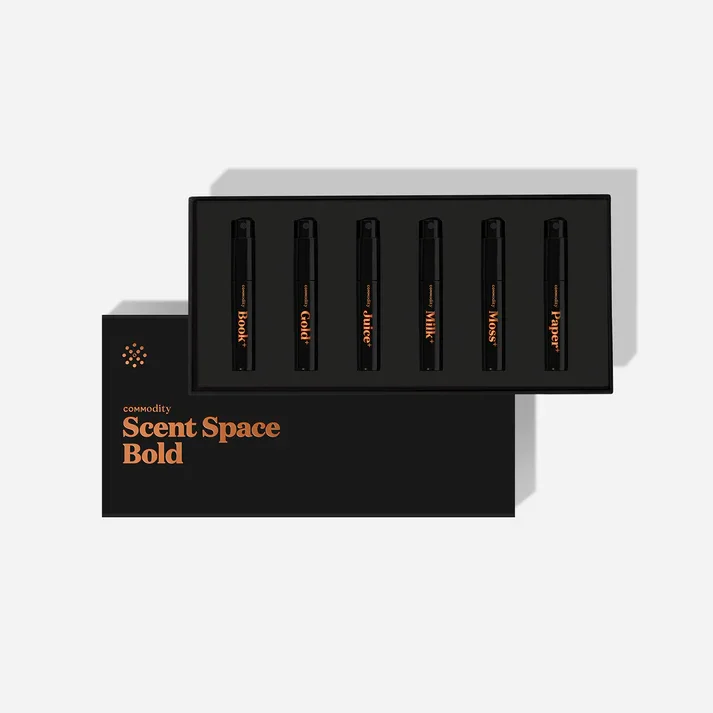
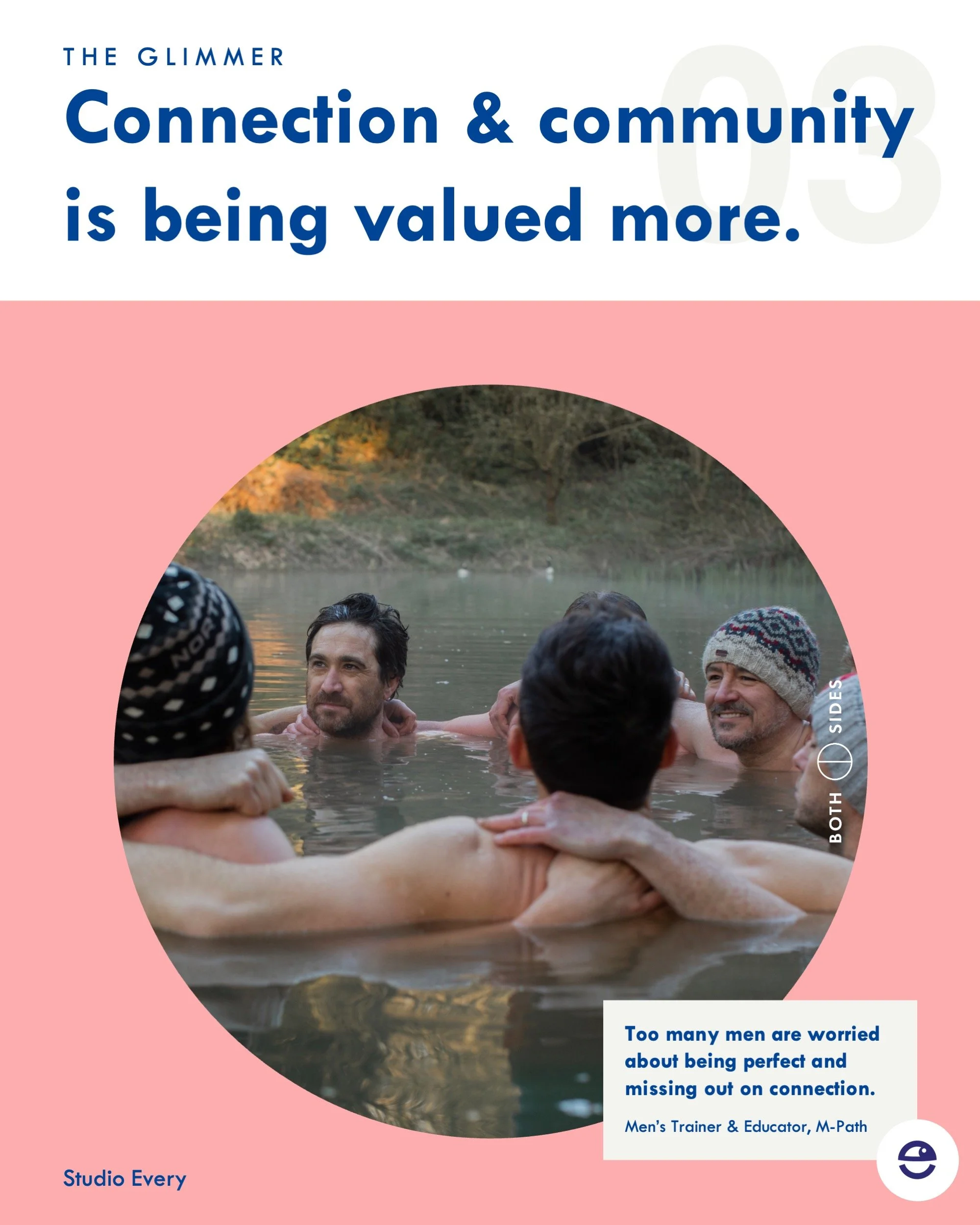
Connection & community is being valued more.
Regular check-ins with oneself and others, is becoming the new masculinity muscle.
The Reality:
65% of US men aged 18-23 say nobody knows them well. (Equimundo, 2023) and 15% of US men said they do not have close friends (Survey Center on American Life).
“Men are looking for greater connection on their terms, with guidance and not judgement.” *
* Men’s Trainer & Educator, M-Path
Brand considerations:
All categories
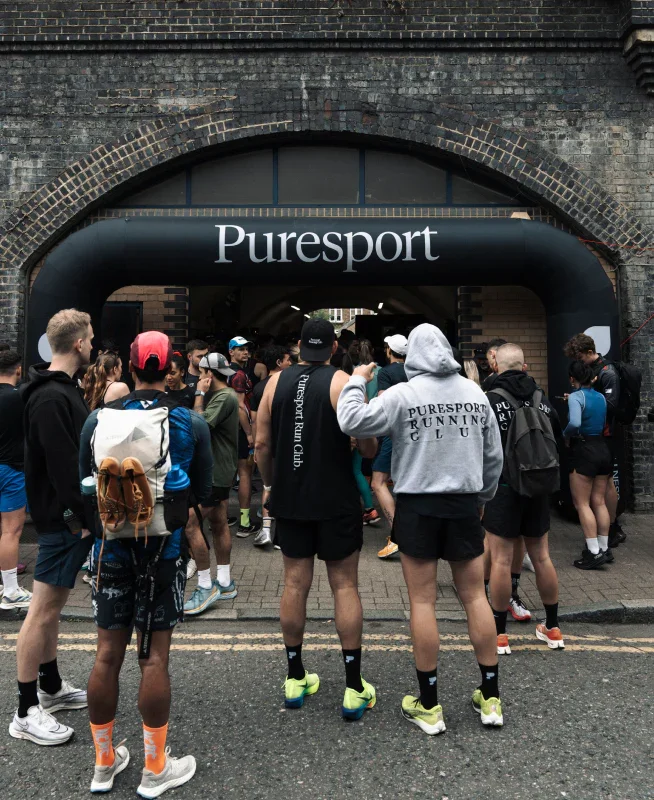
Creating activation and event opportunities to grow genuine IRL connection and communities through relevant activities and compelling hooks.
Beverages
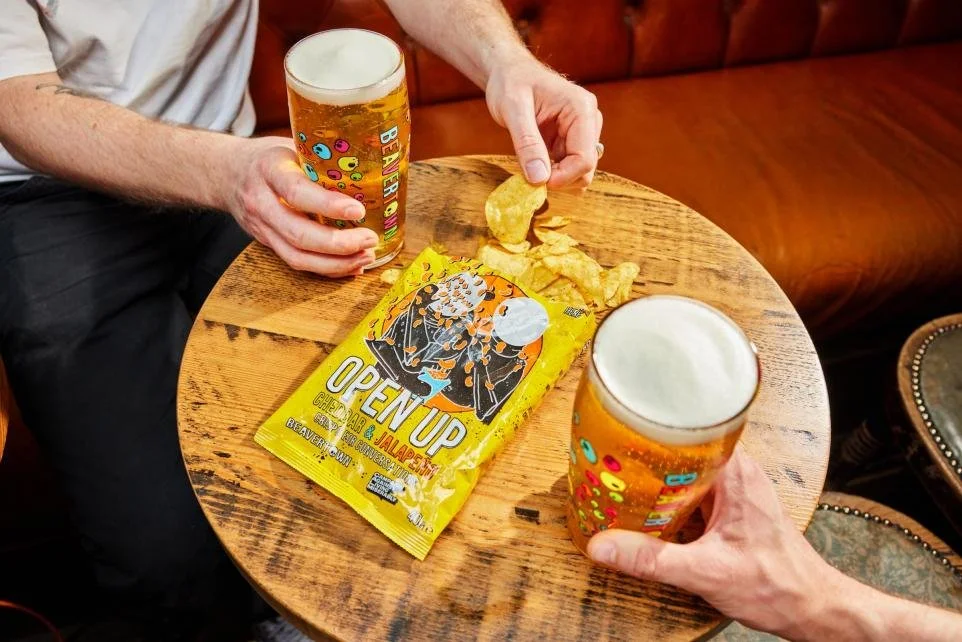
Brands can leverage the way they can facilitate men creating connection and help them overcome emotional barriers.
Forming partnerships and collaborations where there is a mutual benefit and authentic fit, that tackle social isolation and generate loyalty.
Food & Snacks
Demonstrating the connecting power of food, through initiatives that bring communities together.
Curating meal and cooking kits that allow for culinary kinship experiences, such as mezze
and tapas.
Personal Care
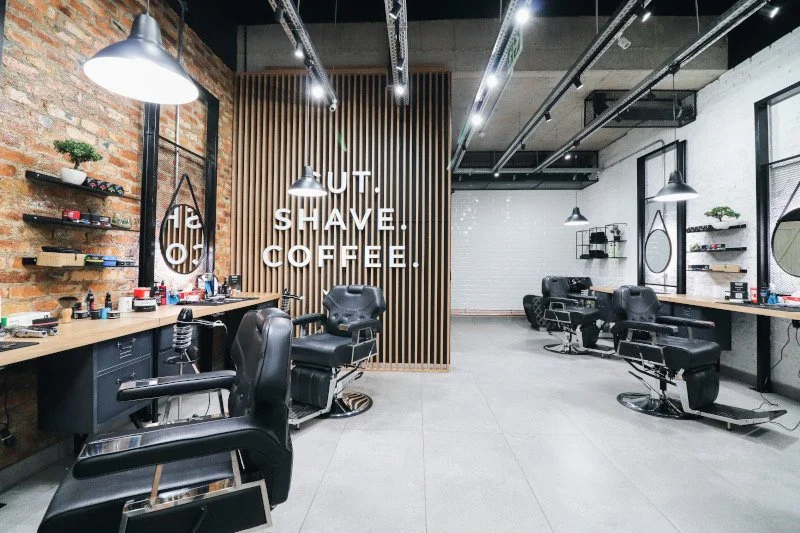
Traditional rituals like a hair cut in a men’s only space offer new moments to connect with others, beyond the cut.
Build retail experiences that allow men to learn and explore products together.
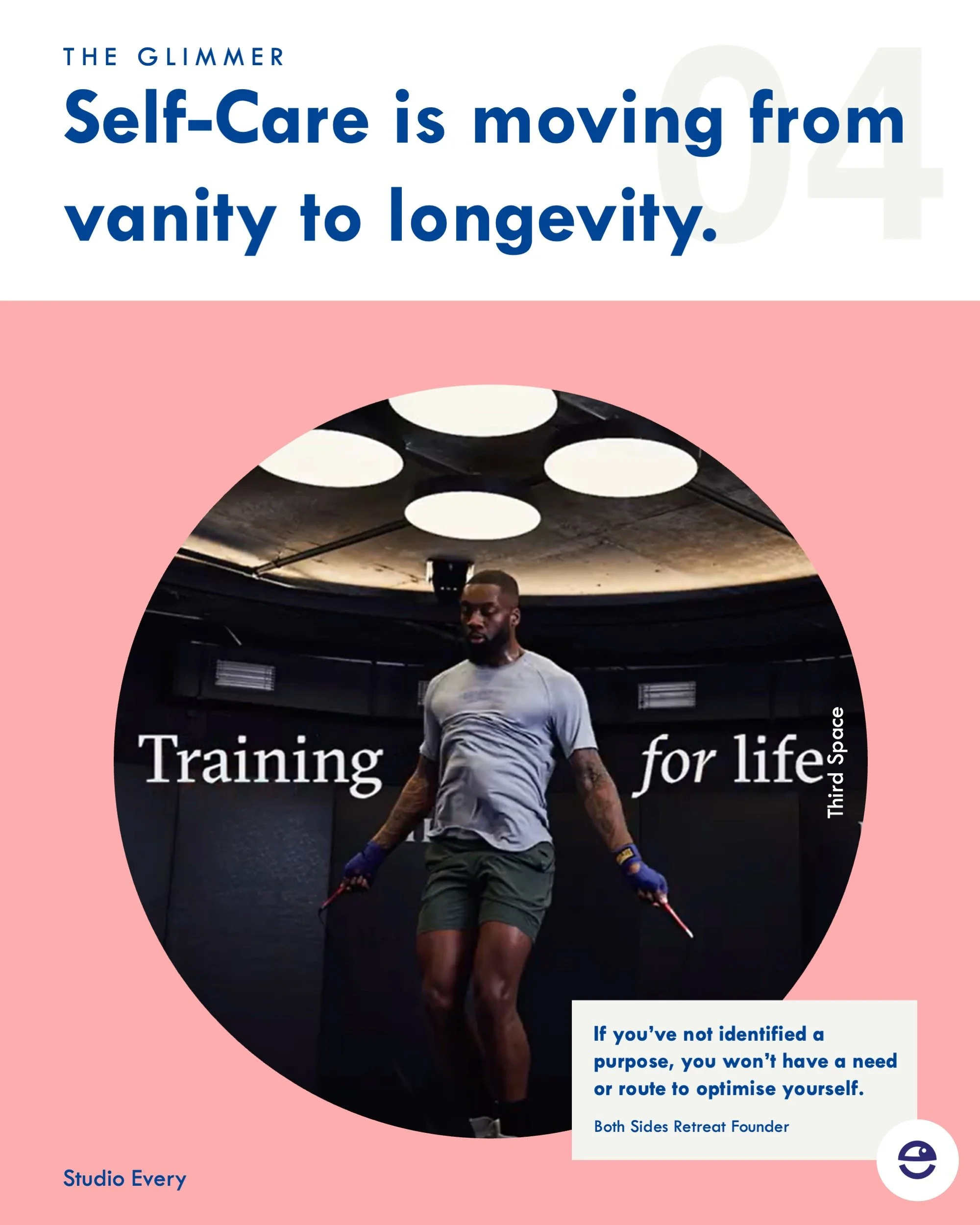
Self-Care is moving from vanity
to longevity.
Modern men link self-care to longevity, control, and pride in maintenance rather than vanity.
The Reality:
30% of Gen Z are regularly working out in a gym, compared with 15-25% of the total adult population, with 40% of Gen Z reporting that social media makes them anxious about how they look.*
“The term ‘metrosexual’ has faded, and grooming is now accepted as a legitimate and essential part of men’s lives.” **
* We may be ‘the healthiest generation ever’, but as I work out I wonder ... would I be happier at the pub?, The Guardian, 2025
** Ayal Ebert, Co-Founder, Particle
Brand considerations:
Skin Care
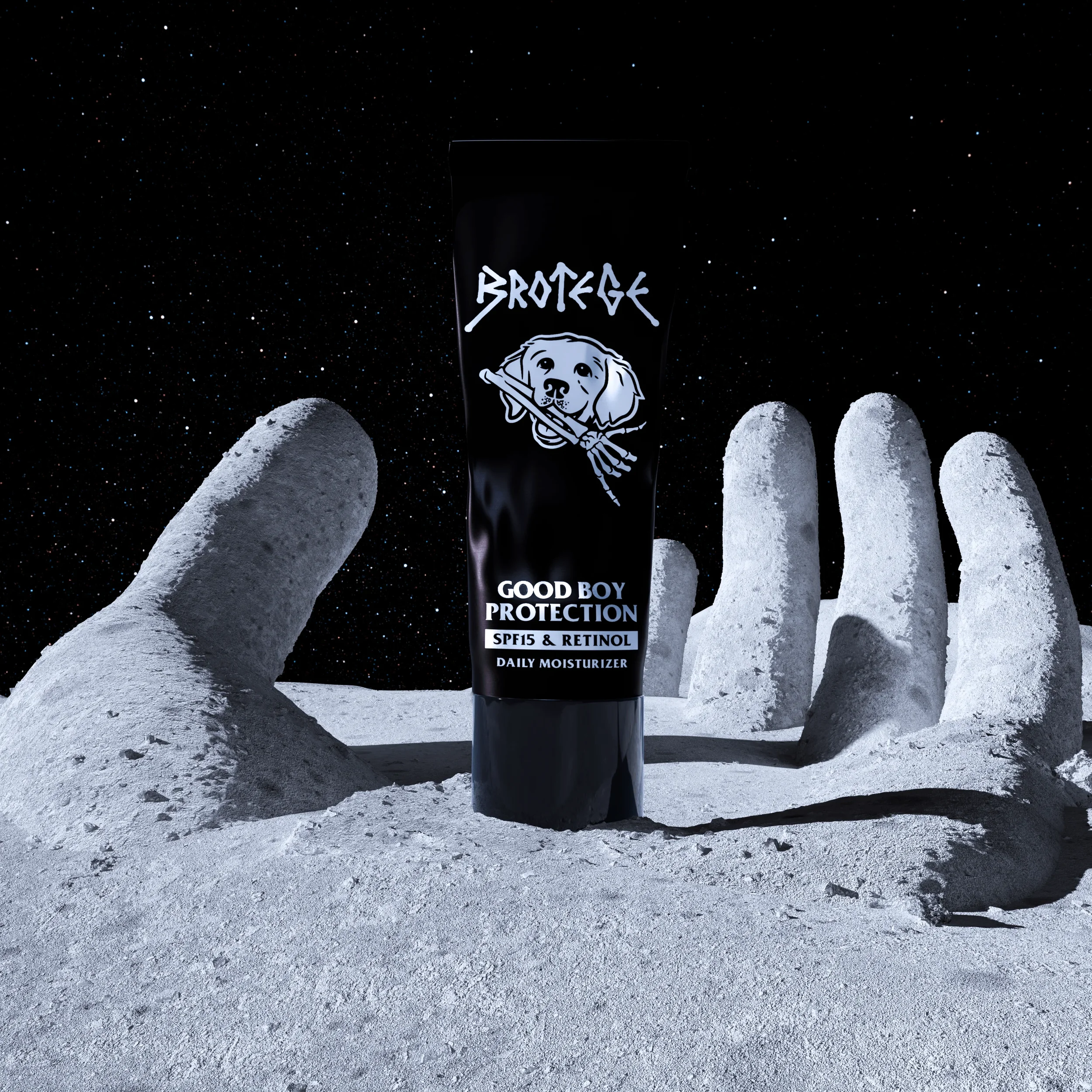
As men embrace feeling good above looking good, they’ll seek products with long lasting impact, such as UV protection and skin barrier support.
Unlock rituals that extend throughout the day, rather than those confined to the morning.
Beverages
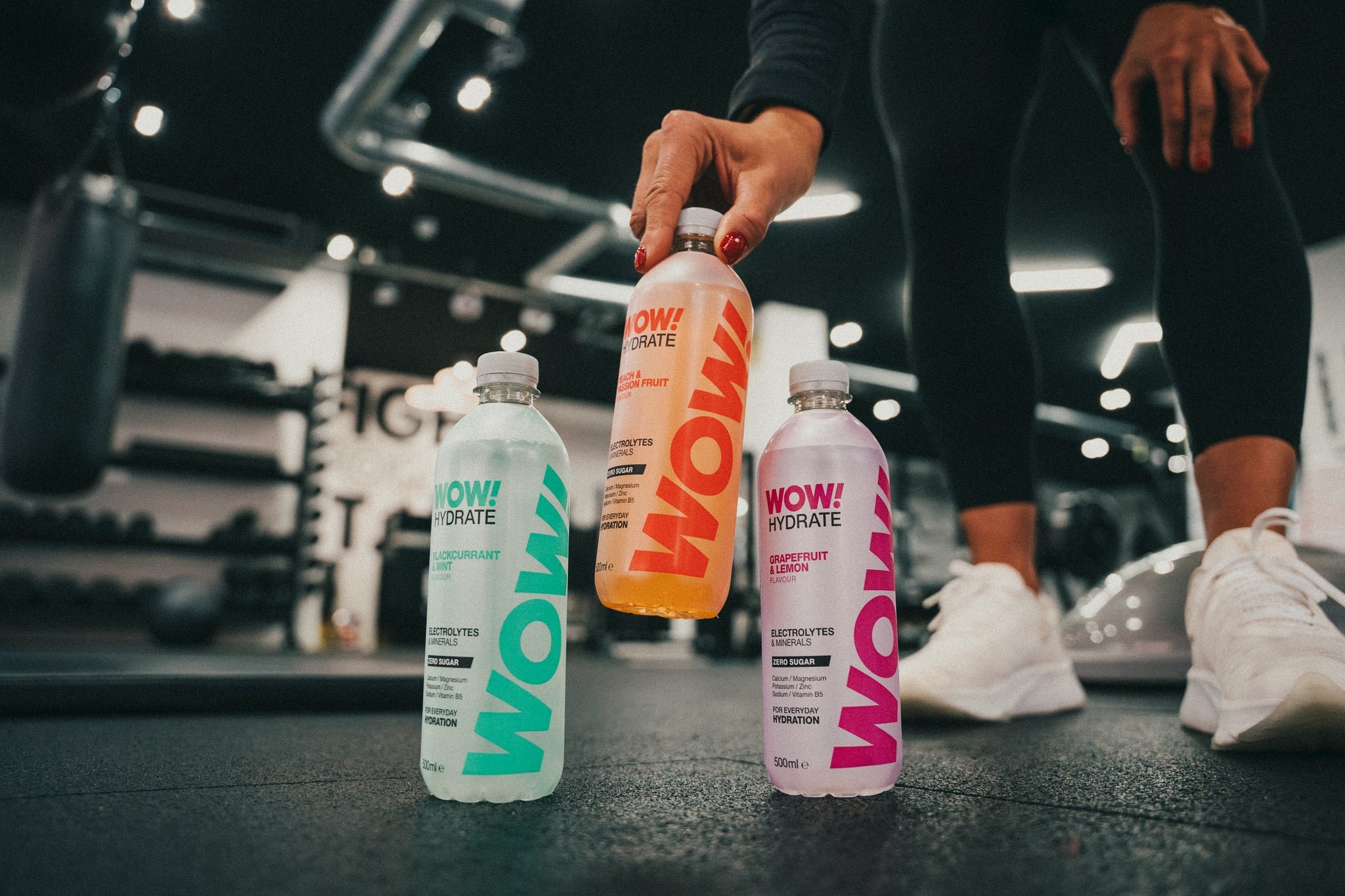
As functional beverages continue to grow, their benefits need to fit new regimes and the long-term wellness positives be clearly communicated.
Consider how brands associated with socialising (Alcohol / Low & No) relate to the next day’s activities.
Supplements
Men’s increased knowledge in what their bodies need will drive them to the supplement isle more, but they’ll need help decoding it.
Personal Care
Providing men with new ways to tackle age-old problems like dandruff, creates new interest and interactions to maintain their skin and hair follicles.

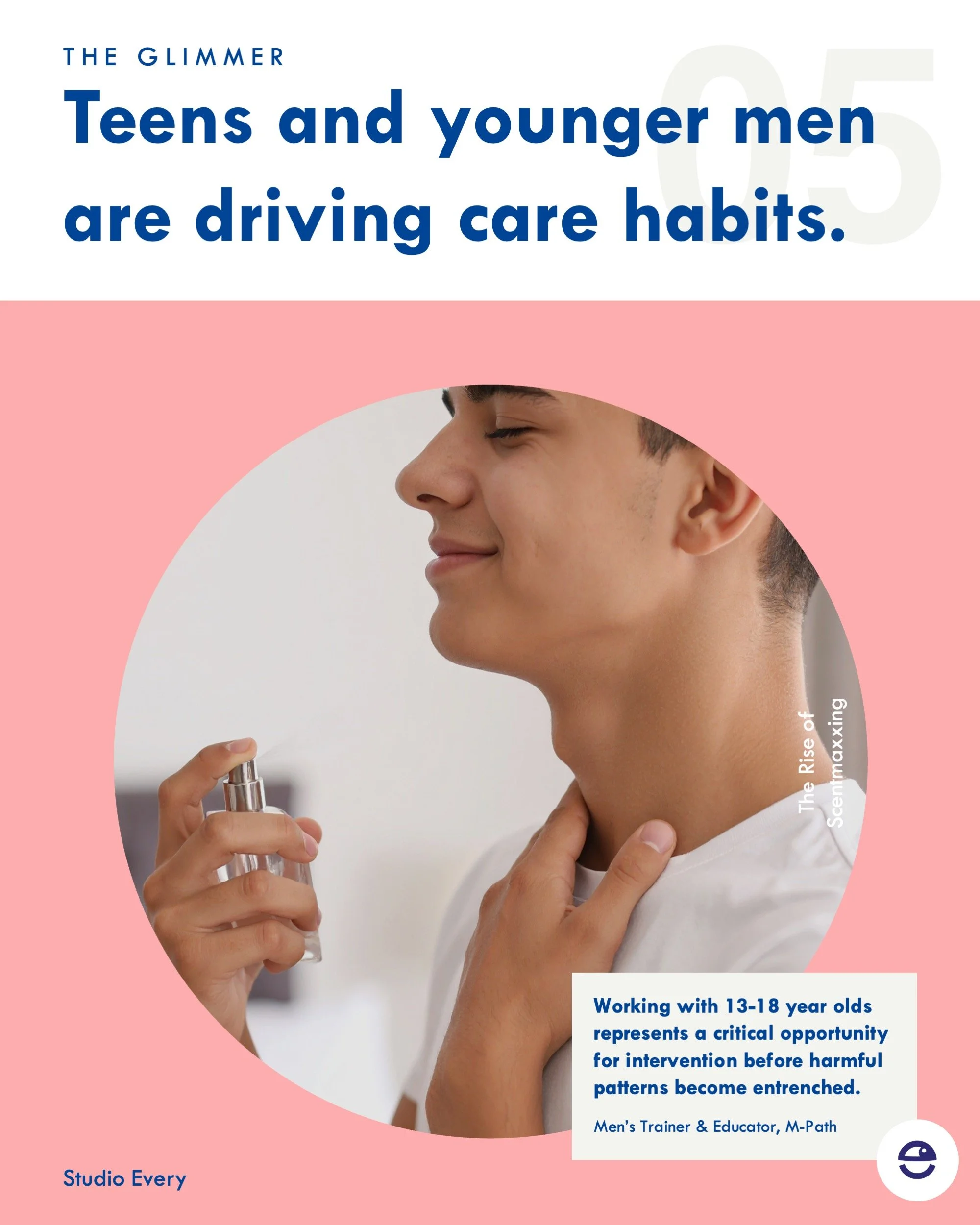
Teens and younger men are driving care habits.
Body knowledge and self-expression is being explored by younger ages than ever before.
The Reality:
62% of young men in the UK say that positive male role models on social media are frequently overlooked by the press & brands. (Marketing Week, 2024).
Skincare use among US Gen Z men has jumped by 25% in just two years, in 2024, with 68% aged 18-27 used facial skin care.*
* Gen Z men's surging skin care use is raising the bar for brands, Cosmetic Business, 2025
Brand considerations:
Personal Care
Boys typically engage with personal care later in adolescence, mainly through necessity. Find ways to appeal to teenage boys that make body care more approachable.
Skin Care
Being new to skin care in teenage years, boys would benefit from guidance on what to do – not necessarily from their parents. Discovery kits could form new habits and loyalty.
Supplements
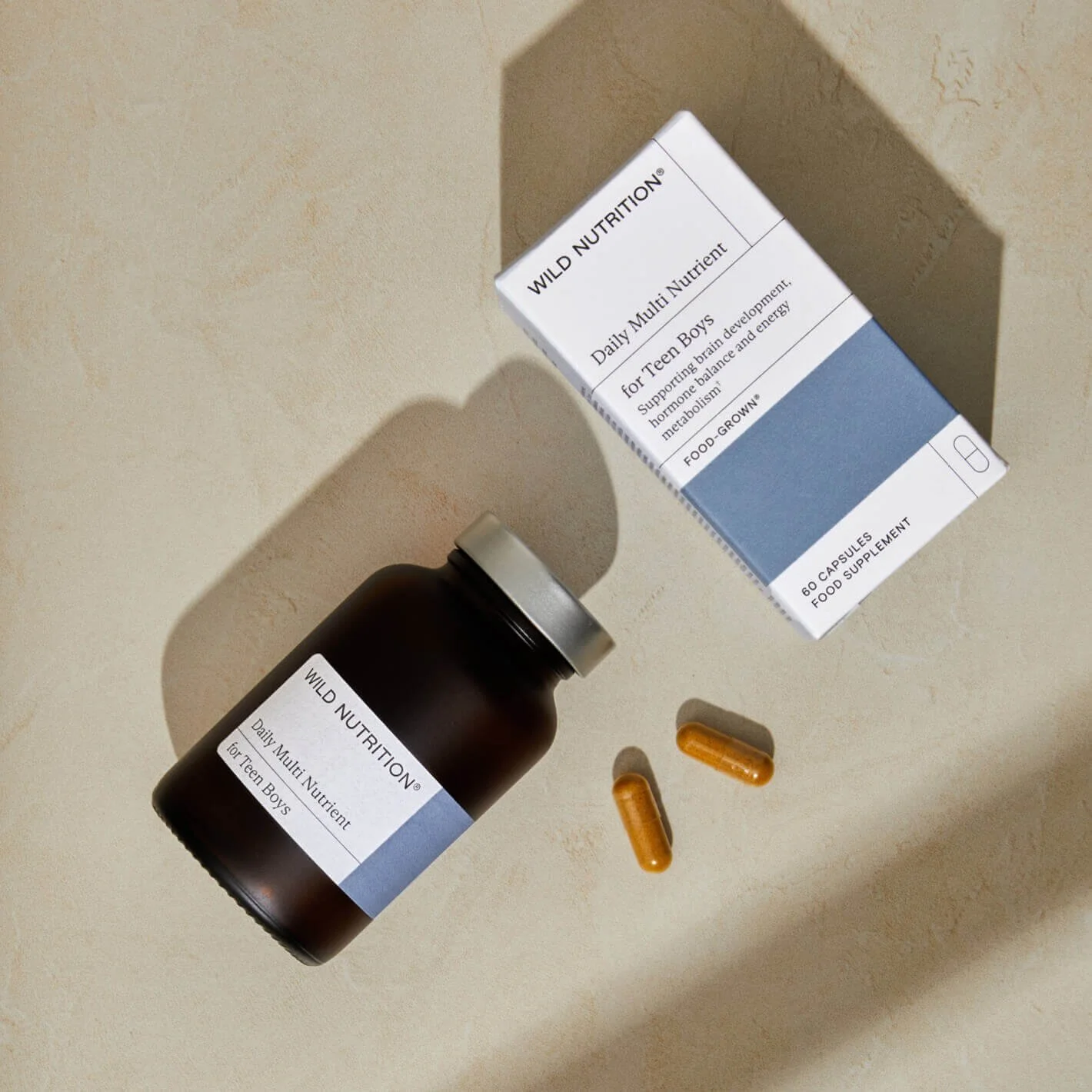
With the surge in interest in supplements, are parents aware of the nutrients teenage boys required to maintain hormone balance?
Making supplements more enticing to teens could encourage a regular commitment for a daily habit.
Beverages
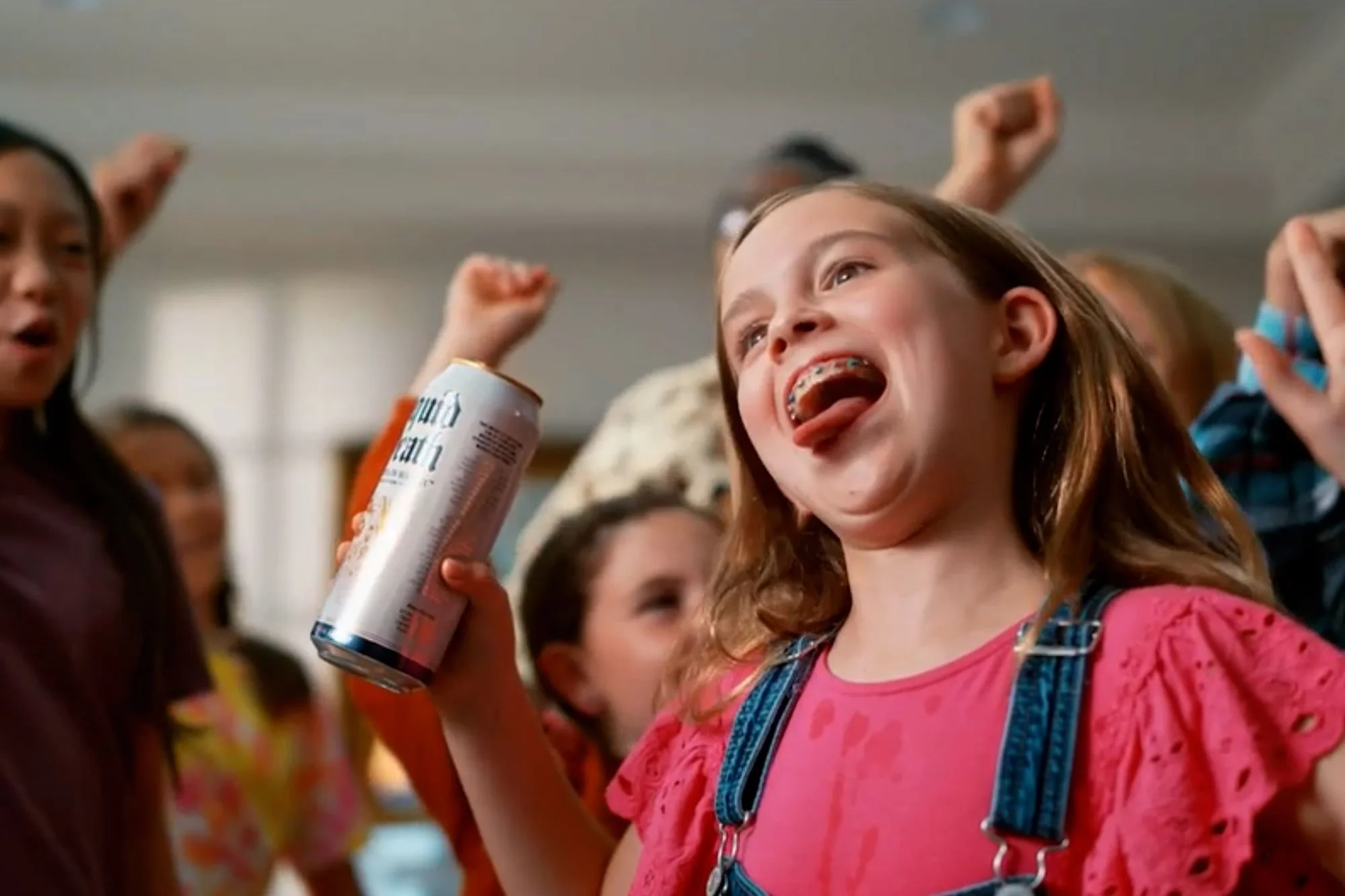
There is growing concern from parents and governing bodies about children consuming sugar & caffeine, however teenage boys have a strong desire to be part of a tribe and fit in.
Explore how to increase hydration habits early in life.