The Rise of Beverage Sequencing.
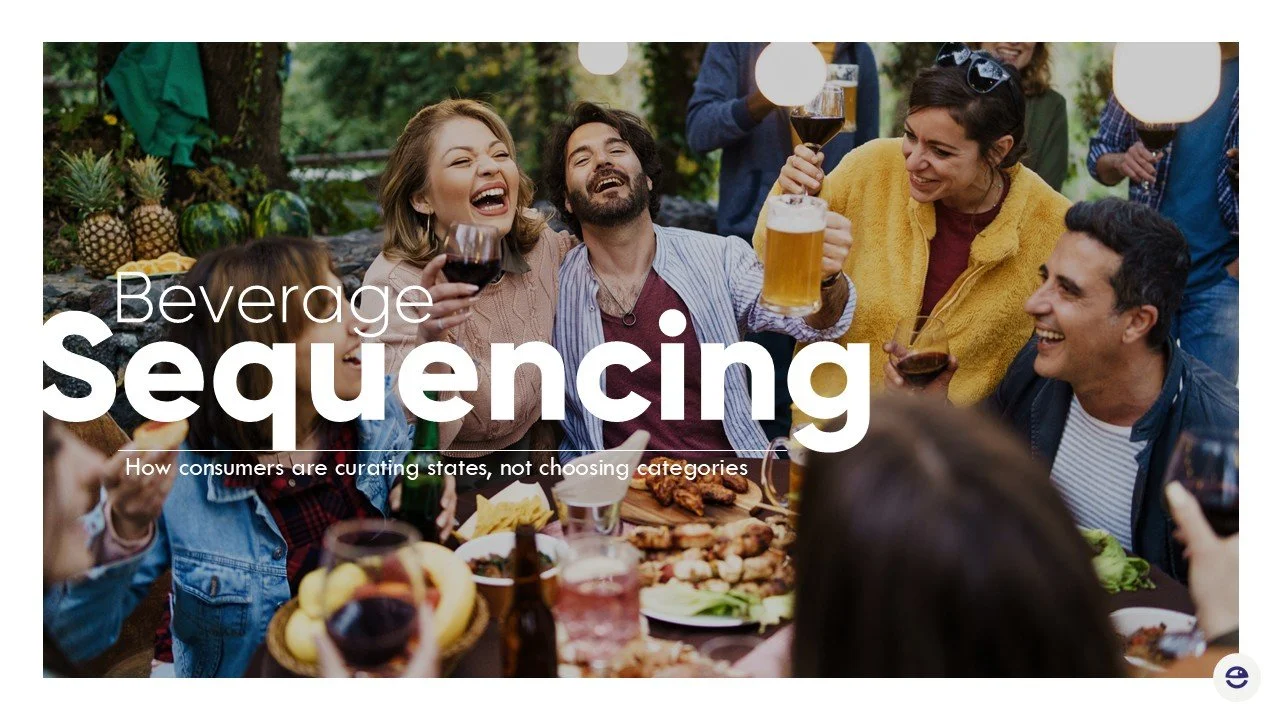
Consumers are curating states, not choosing categories.
For decades, the beverage industry has organised itself around categories. Beer competes with beer. Wine with wine. Spirits with spirits. And more recently, no-and-low has emerged as another space to compete within.
But consumers don't necessarily experience an evening in categories. They experience it as a series of moments.
The drink that helps them leave the working day behind might be different from the one they choose over dinner. The drink that marks the high point of an evening might be different again from the one that allows them to stay for another hour without overdoing it.
Increasingly, what matters isn't simply what do I want to drink? It's how do I want to feel next?
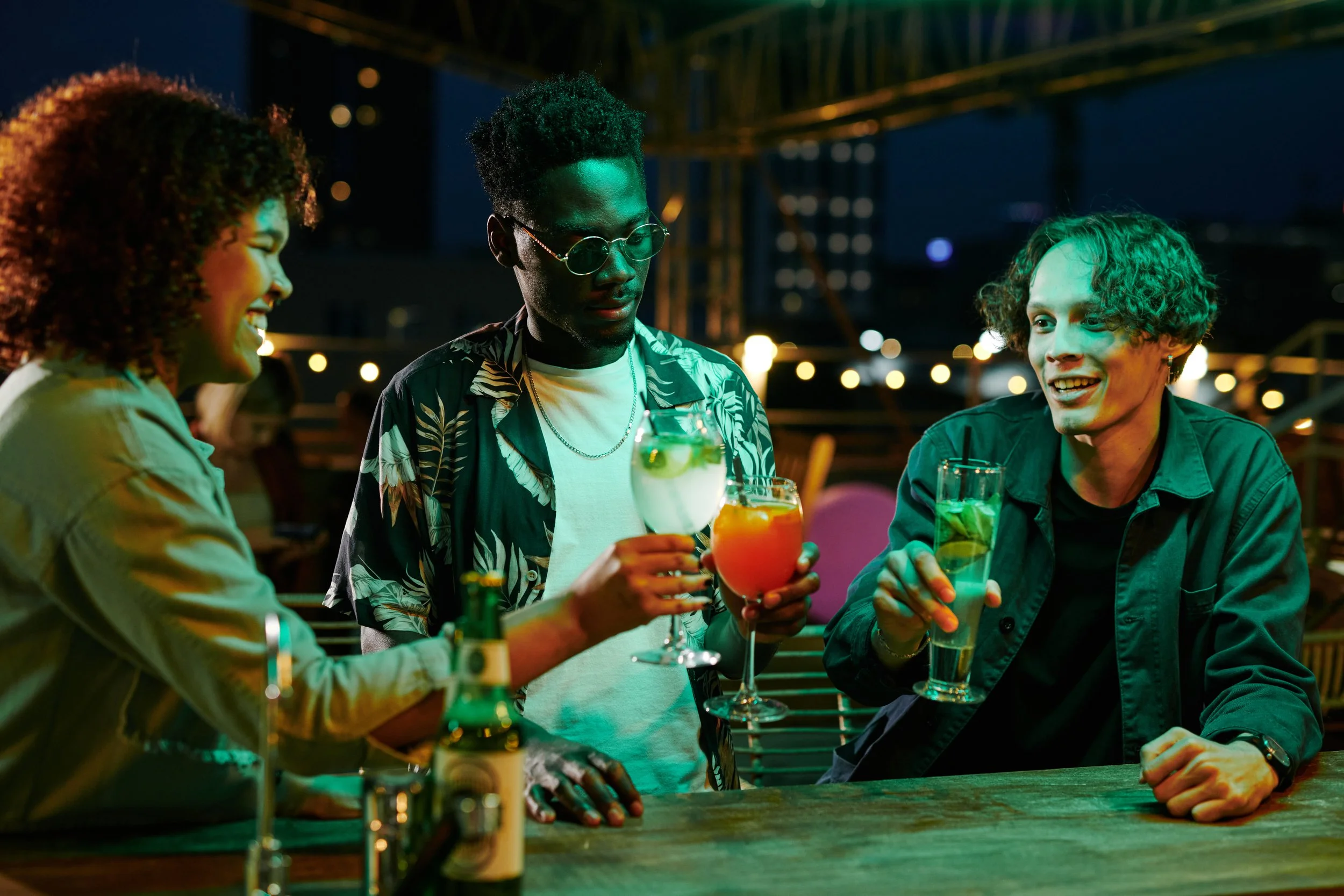
We think this is giving rise to beverage sequencing: consumers assembling different drinks across an occasion to help them move between emotional, social and physical states.
A sparkling aperitif to arrive. Something lighter to keep the conversation flowing. A distinctive cocktail to mark the moment. A premium non-alcoholic drink to change the pace.
From the consumer's perspective, these aren't necessarily separate choices. They're part of one journey.
And that opens up a different way of thinking about beverage innovation.

ARRIVE
1. Setting the Scene
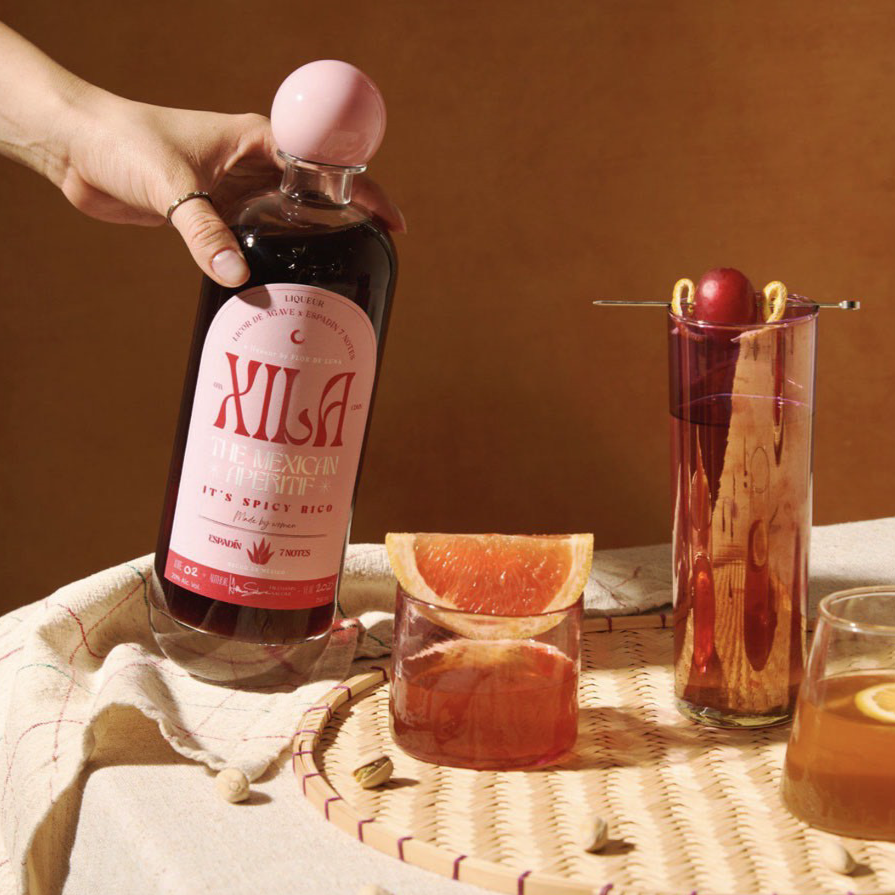
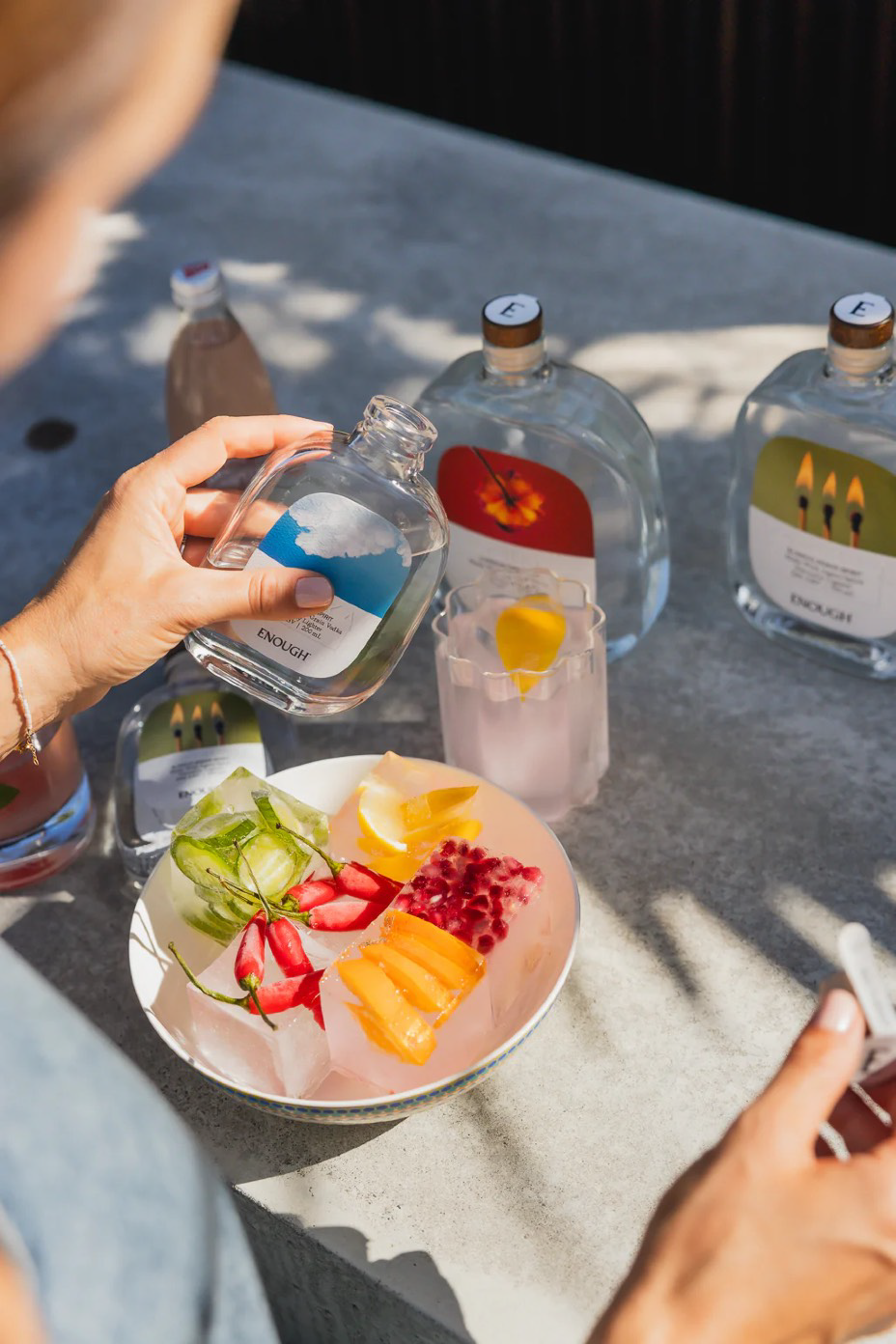
The first drink doesn't always need to start the party. Increasingly, it can help us arrive.
As the boundaries between work and personal life become more blurred, there is value in the small rituals that signal one part of the day has ended and another has begun.
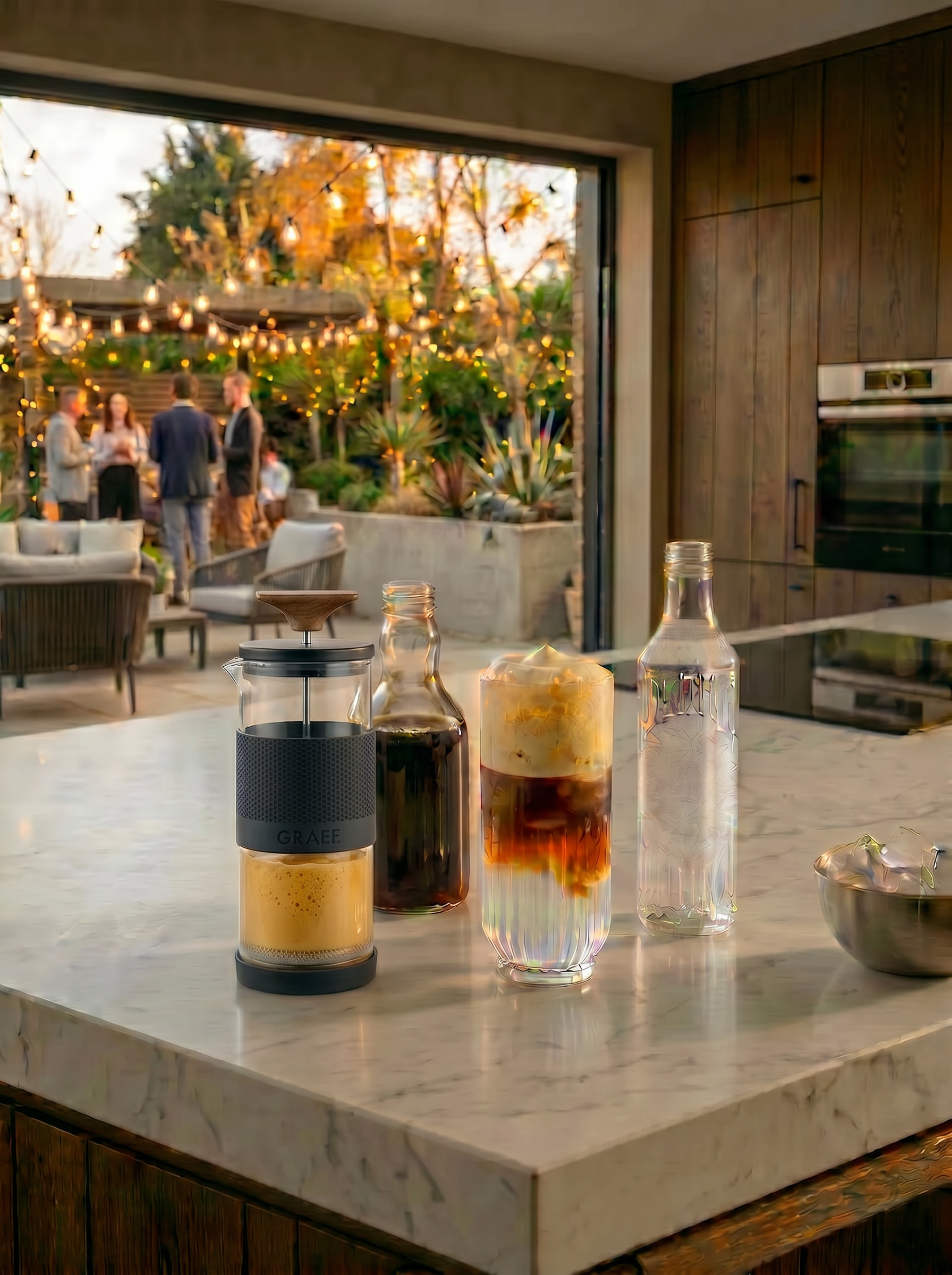
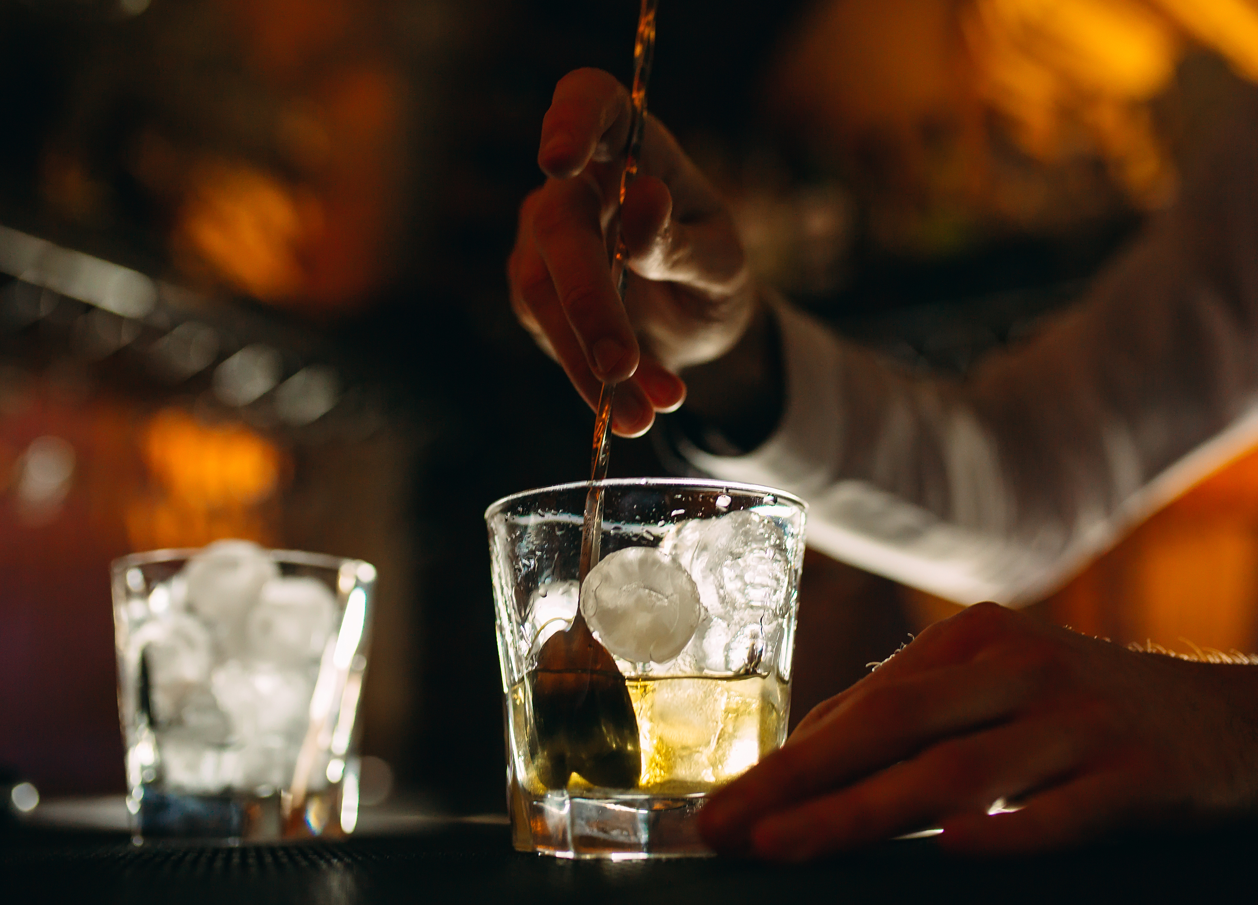
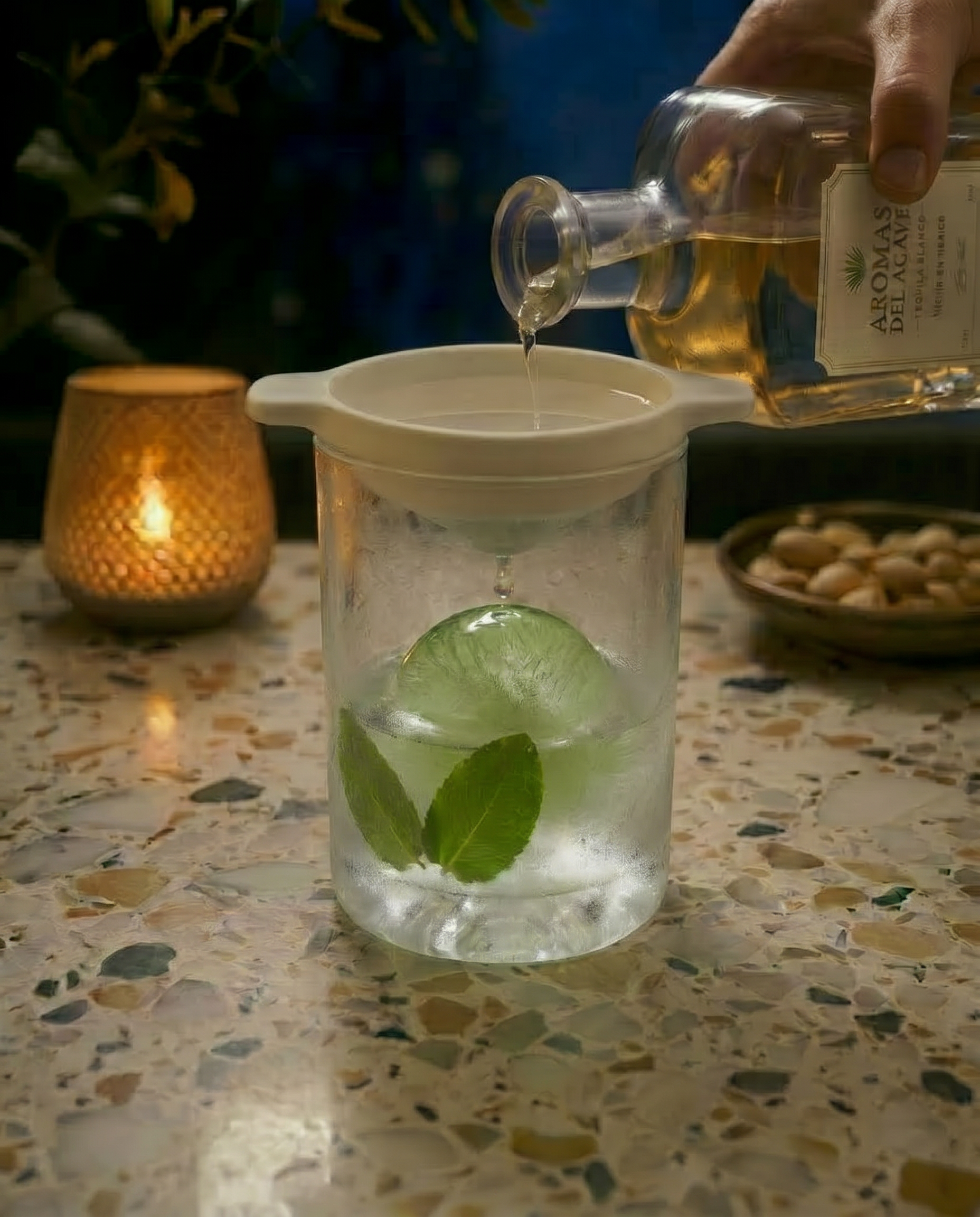
A sparkling aperitif. The opening of a bottle. Mixing something slowly. Even the deliberate preparation of a serve.
We've spent years designing beverages for greater convenience. But perhaps not every bit of friction needs to disappear.
Grinding coffee, whisking matcha or muddling herbs can make us stop and participate. The preparation becomes part of the transition.
The opportunity: design drinks that don't simply refresh us, but help us shift gear and become present.
CONNECT
2. Creating Connection
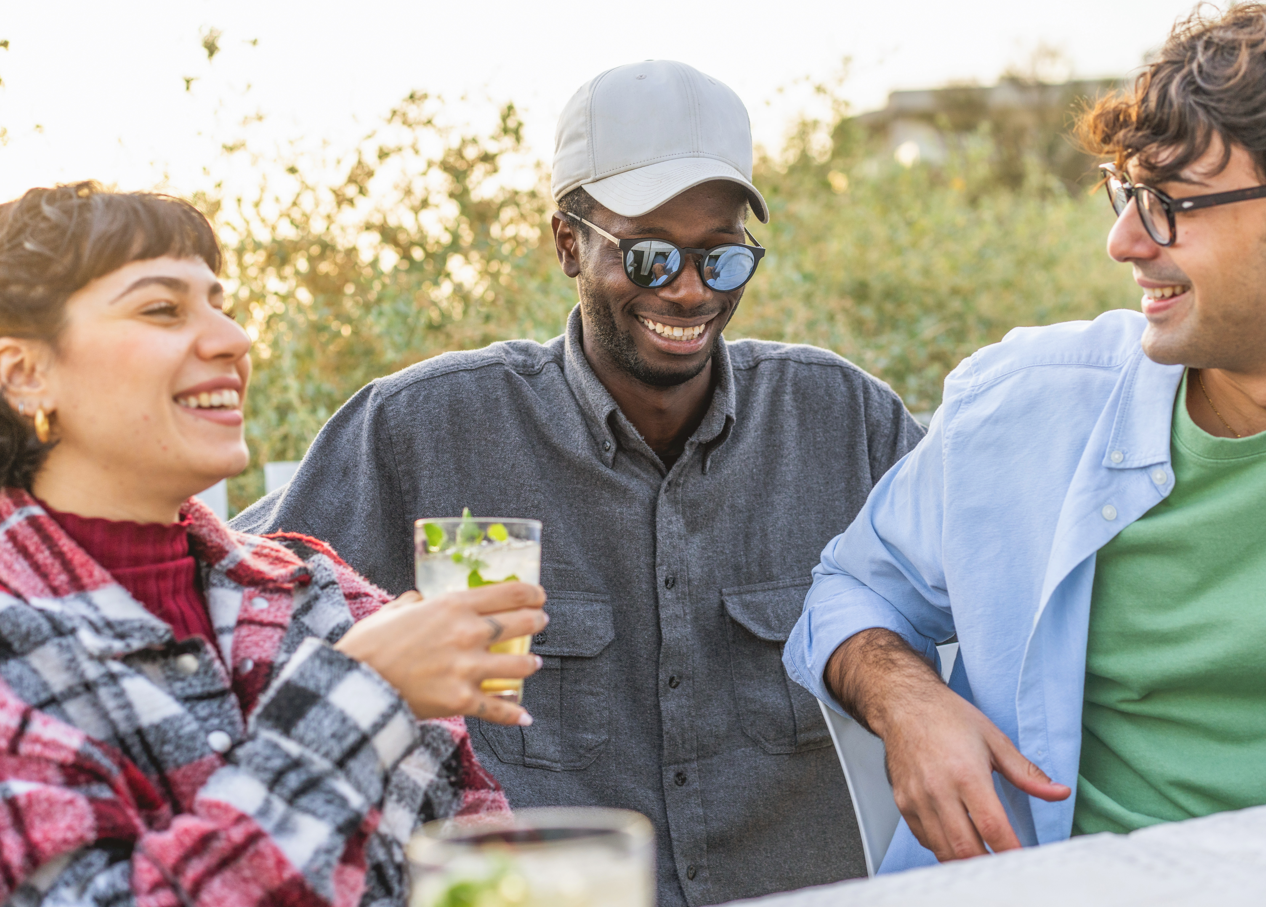
Once we've arrived, the role of the drink changes.
Now it's about helping us become part of the occasion.
That might mean a mid-strength drink that allows someone to stay comfortable, sociable and in control for longer.
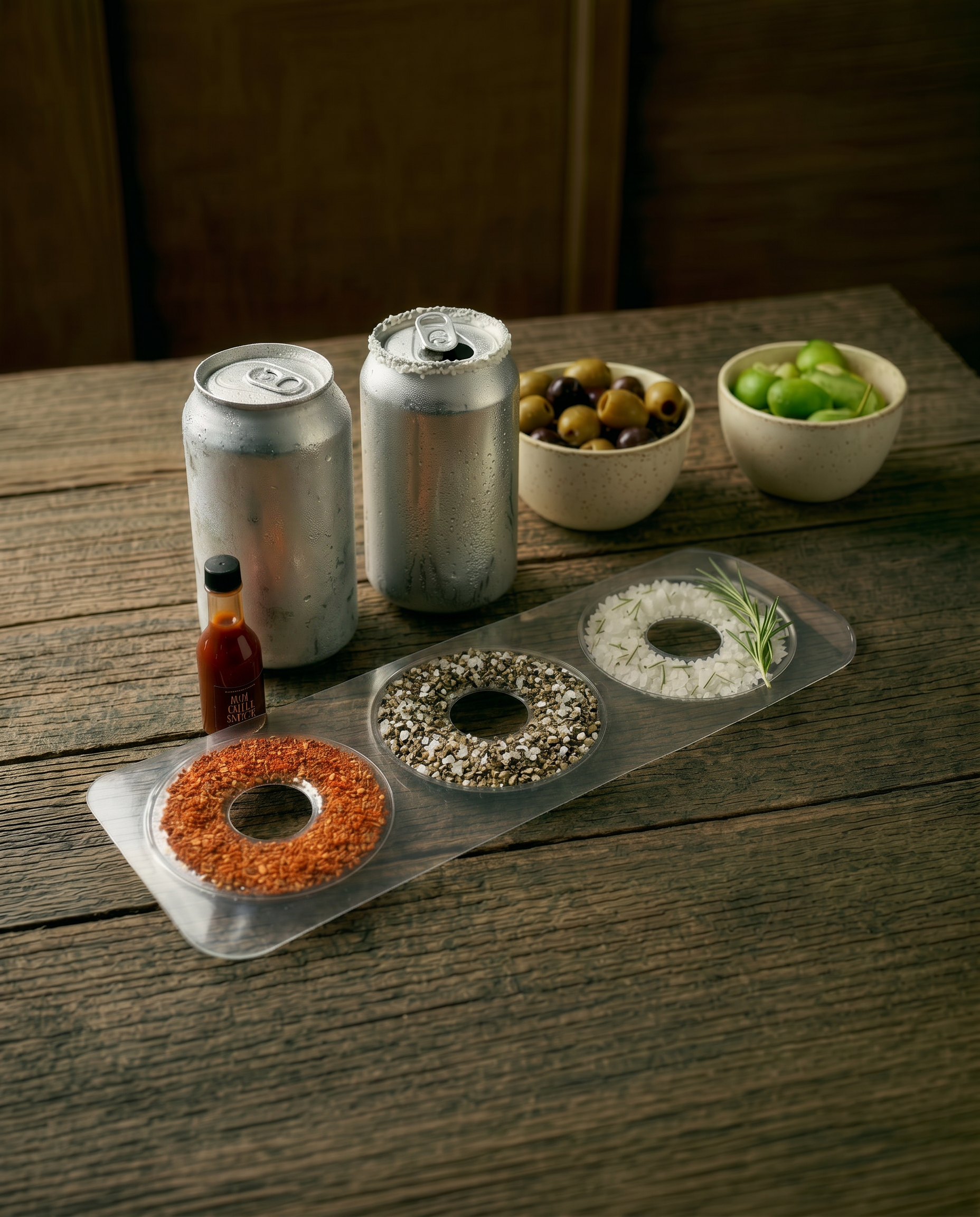
But it might also mean something more participatory.
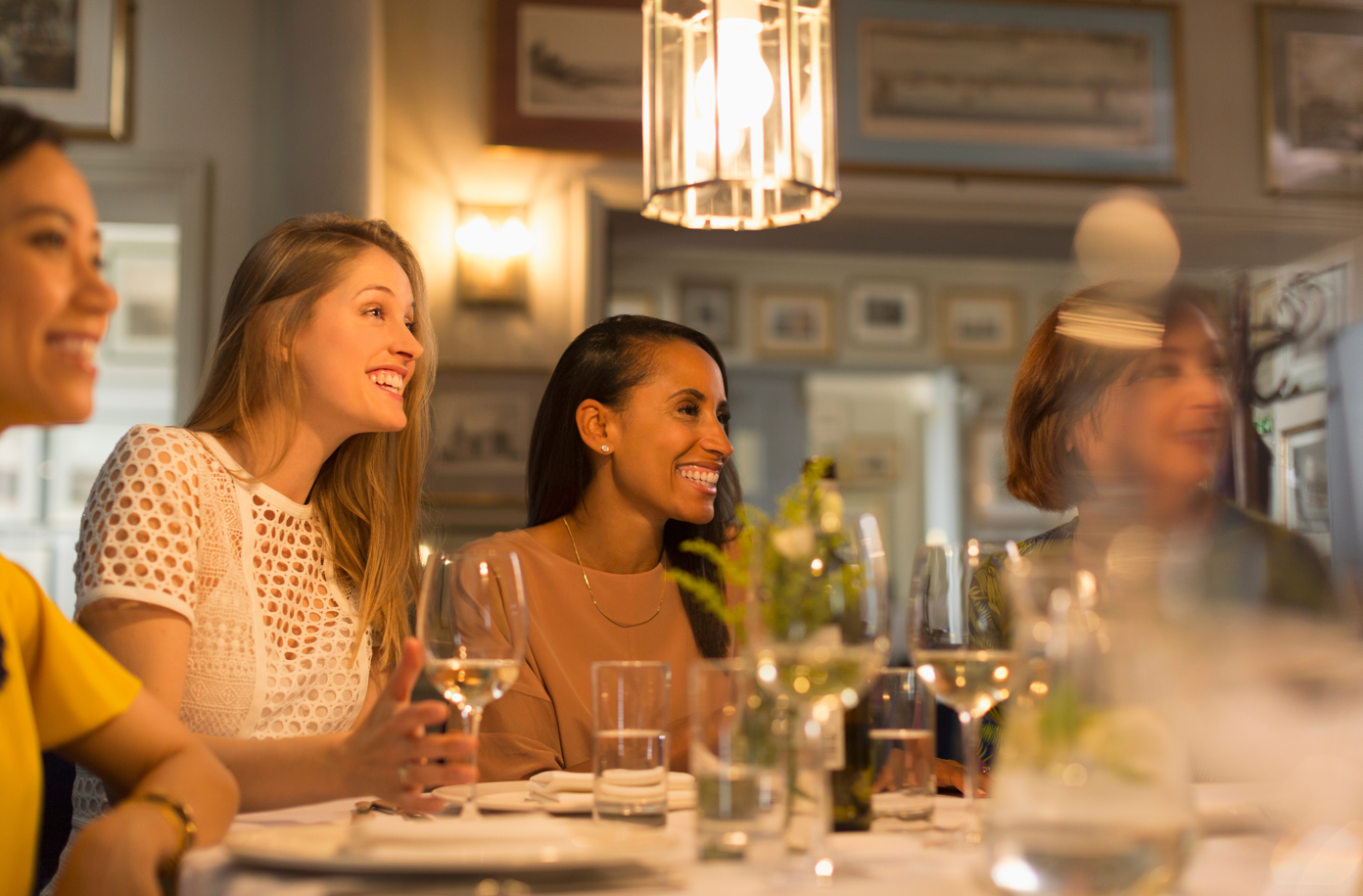
Culinary cocktails, unusual ingredients, fermentation and unexpected serves can turn the drink itself into a conversation starter. And drinks that invite people to mix, build or customise together can become part of the social experience rather than simply accompanying it.
Some of our most memorable food experiences already work this way: building tacos, sharing hot pot, creating a grazing board. Why shouldn't beverages?
The opportunity: move from perfectly finished serves towards drinks that create curiosity, conversation and shared participation.
CELEBRATE
3. Making Moments Matter
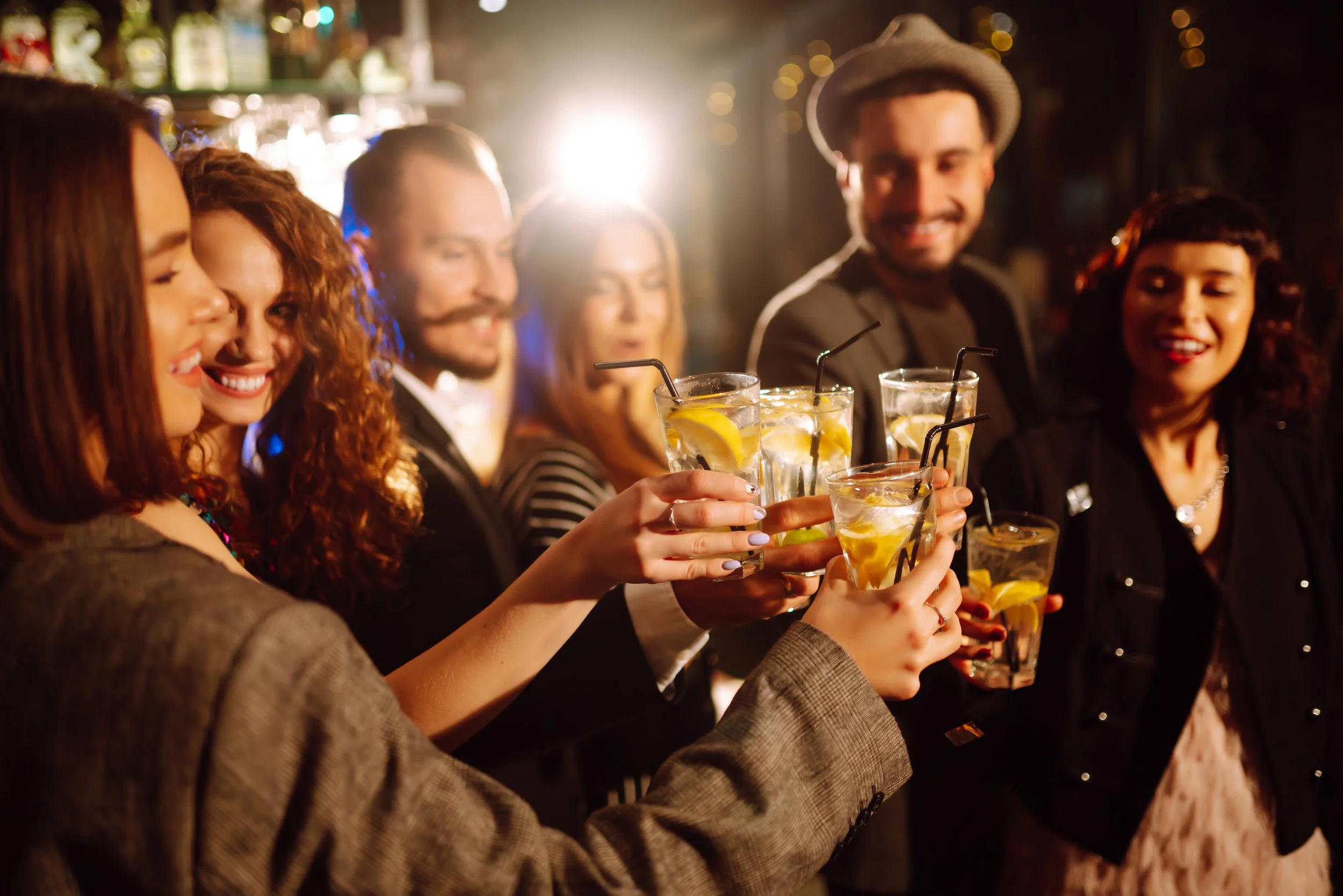
Moderation doesn't necessarily mean the disappearance of indulgence. It may make the moments when we do choose to indulge more significant.
Rather than alcohol fuelling an entire evening, a distinctive spirit, cocktail or serve can punctuate it: the drink ordered after dinner, the bottle opened to mark something, the serve everyone stops to watch.
And this is where anticipation becomes interesting.
Fine dining, theatre and luxury hospitality understand that memorable experiences don't begin at the main event. They build towards it. Beverages could do the same.
A drink that takes time to prepare. A serve that slowly reveals itself. Something that creates a little theatre before the first sip.
The opportunity: don't just deliver indulgence. Build anticipation around the moments people decide are worth it.

CONTINUE
4. Feel Good Tomorrow
Perhaps one of the most interesting moments comes towards the end of an occasion.
Consumers don't necessarily want to go home. They might just want to drink differently.
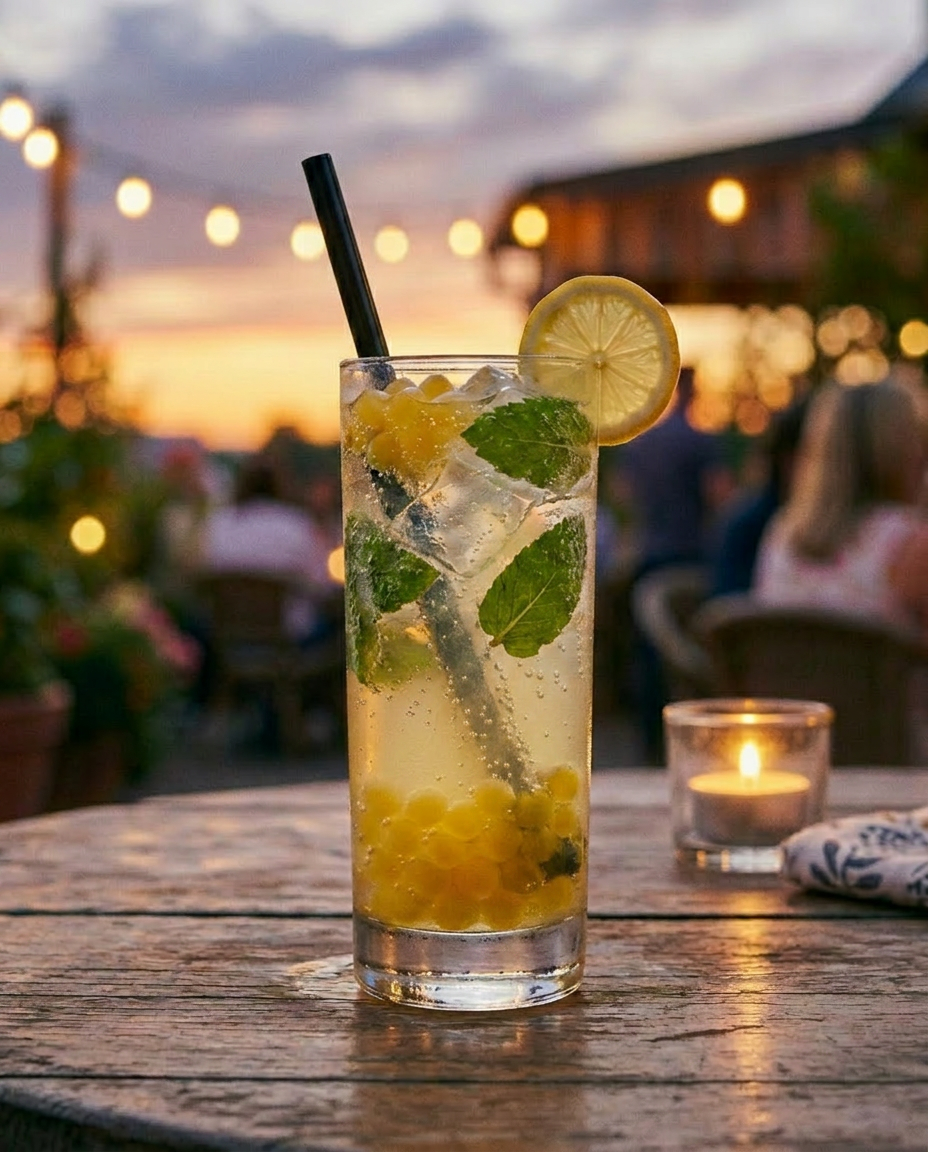
Premium no-alcohol drinks, sparkling teas, hydration, mid-strength options and behaviours such as zebra striping allow people to remain socially engaged while gradually reducing intensity.
This isn't simply about replacing alcohol. It's about extending the experience beyond it.
The best evenings rarely stop abruptly. Like a restaurant softening the atmosphere towards closing or music slowing towards the end of a set, they taper.
Beverages could help create that transition too.
The opportunity: design for a change of pace, helping people stay part of the moment while feeling good about tomorrow.
From winning categories to owning moments
For beverage brands, beverage sequencing creates a different competitive frame. The question is no longer only: how do we win more occasions for our category? It might be: Which moment in the journey could our brand own?
Consumers may be becoming less loyal to a single category across an occasion, and more intentional about the role each drink plays within it.
That means the future of beverage innovation may not be about creating one drink capable of doing everything.
It may be about understanding what people are trying to become next and designing the right drink to help them get there.
Get in touch if you'd like to see the full thought piece and explore the innovation territories and provocations.
niall.mcriner@studioevery.com