The Joyful Home Movement.

The home is becoming a space for emotional restoration, ritual and connection.
As life becomes more pressured, fragmented and emotionally demanding, the role of the home is changing.
No longer just a place to live or recover, the home is increasingly expected to actively improve how we feel - offering comfort, connection and moments of joy within everyday life.
We've identified the following glimmers that are contributing to a Joyful Home:
→ Indulgence is becoming smaller, more frequent and routine.
→ Food is being used to create connection and belonging.
→ Pets are becoming central emotional companions.
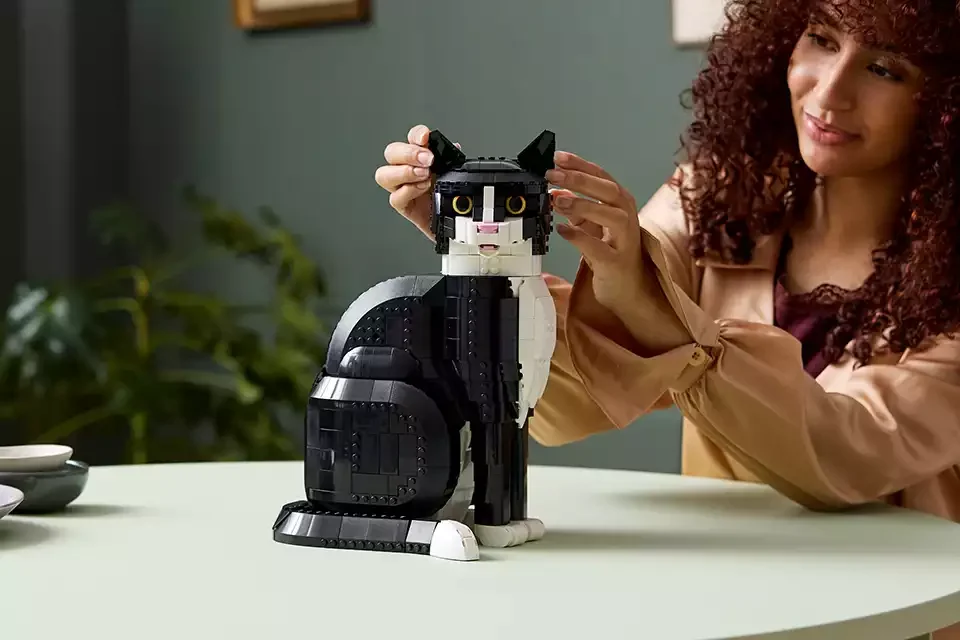
→ Play is being reclaimed as part of adult wellbeing.
→ Hosting is becoming more informal and participatory.
As people seek emotional grounding in an overstimulated world, brands have an opportunity to rethink the role they play in the home, moving beyond function alone toward emotional contribution.
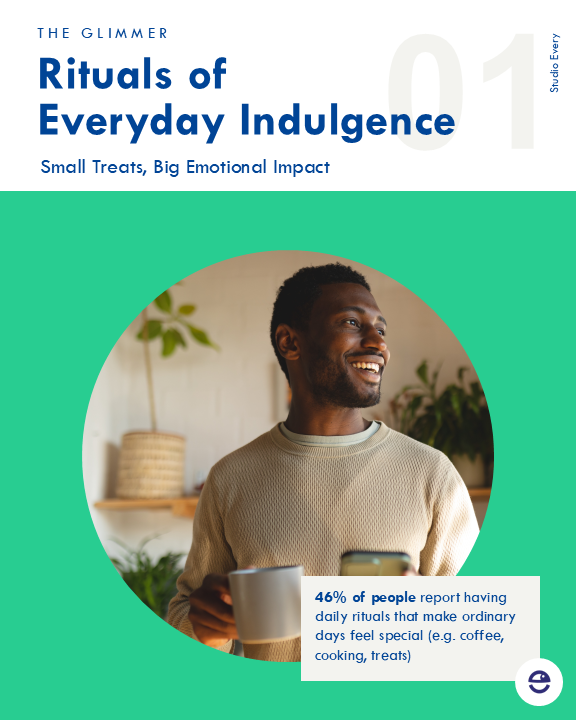
01 Rituals of Everyday Indulgence
Small Treats, Big Emotional Impact
Indulgence is shifting from occasional reward → daily ritual.
Consumers are redistributing pleasure into smaller, more frequent moments that provide emotional relief and structure.
The Reality:
Food and drink are increasingly used as grounding tools in uncertain times, offering stability and emotional reassurance.
46% of people report having daily rituals that make ordinary days feel special (e.g. coffee, cooking, treats).
→ Indulgence is no longer escapism; it’s routine emotional regulation.
Brand considerations:
Foods:
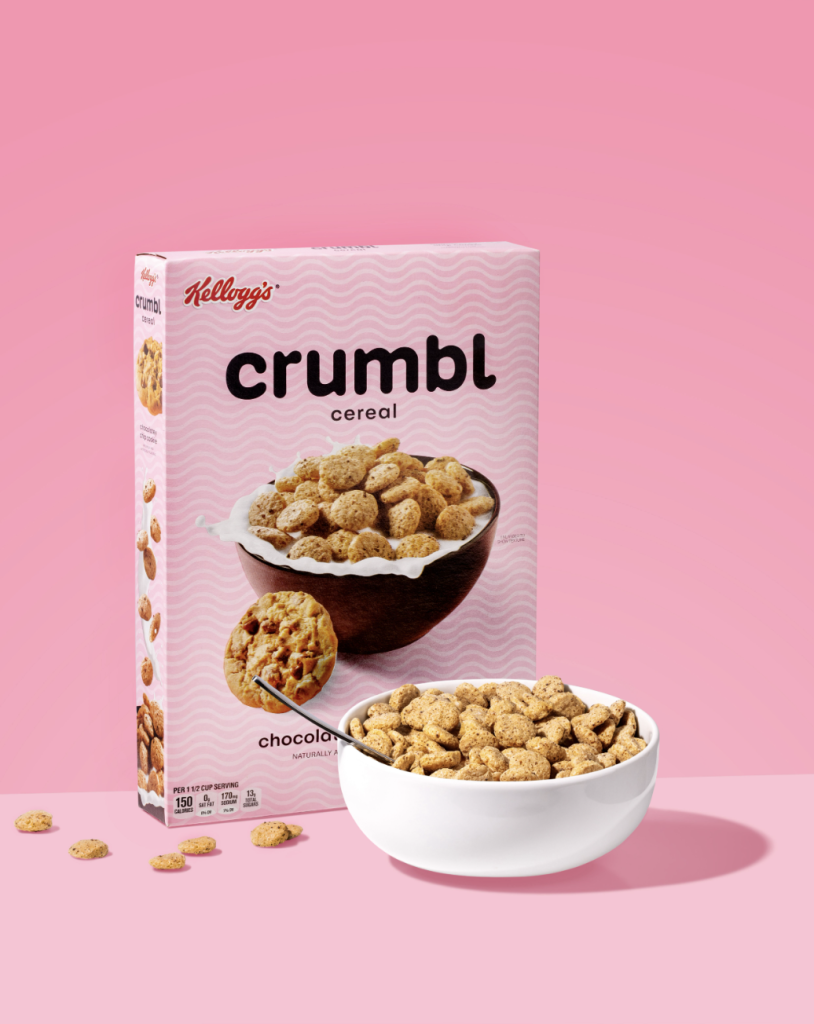
Identify partnership brands of unexpected flavour combinations that bring something new to the table.
Beverages:
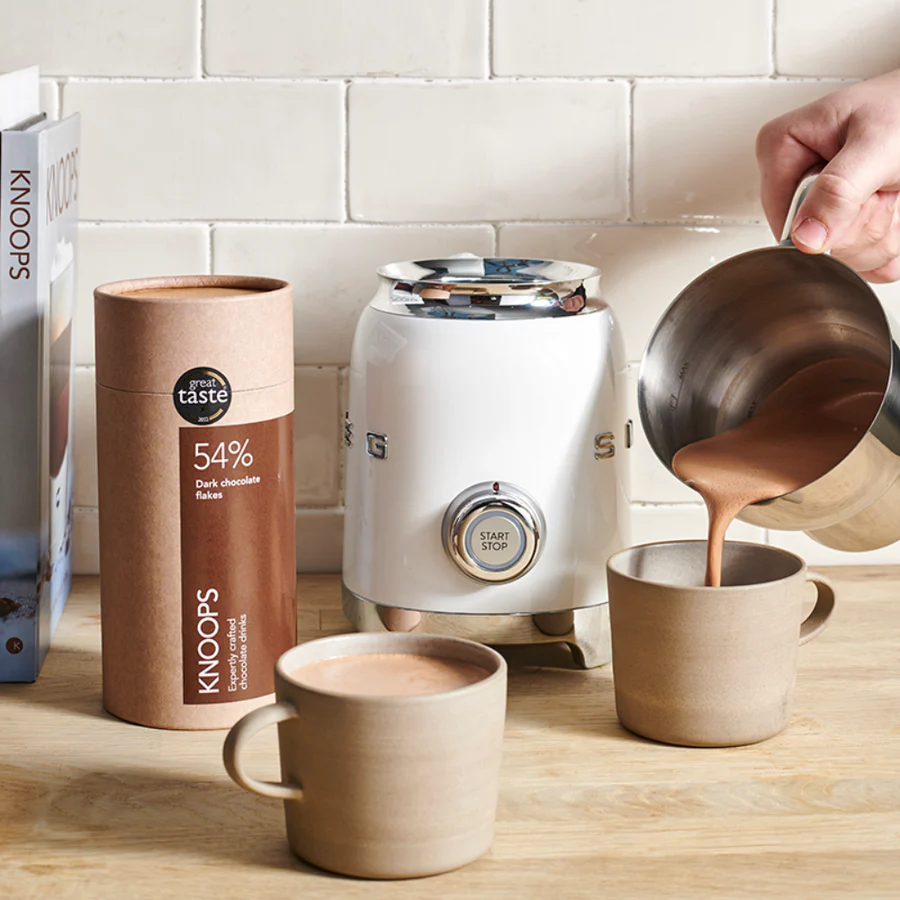
Create a slow down and indulge in the process of preparing a drink, as well as enjoying it.
AF Beverages:
Consider the wind-down moment that can be an alcohol-free indulgence.
Oral Care:
Look to other categories for inspiration and what food & drinks could inspire to make oral care feel more like a treat.


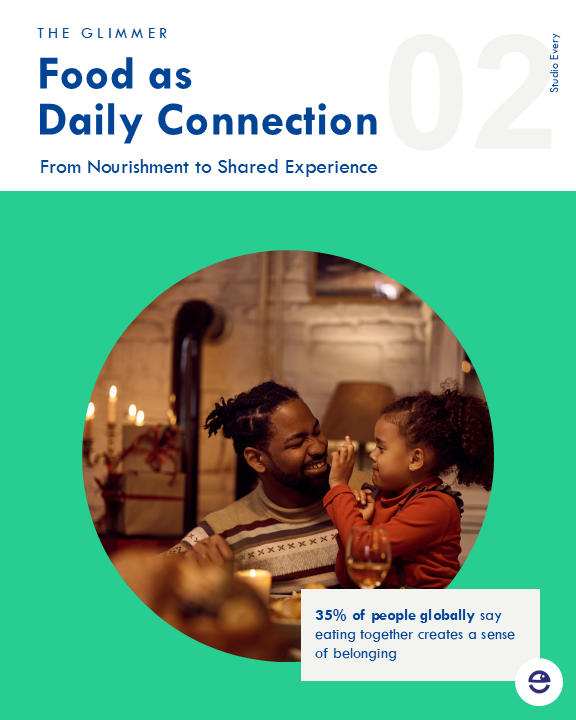
02 Food as Daily Connection
From Nourishment to Shared Experience
Sharing meals is as predictive of happiness to people as income is. Food is the ‘daily glue’ where intimate, routine, close-circles are reforging what was a traditional societal norm.
The Reality:
Food is becoming a primary tool for connection, belonging and social repair, particularly as traditional social structures weaken.
35% of people globally say eating together creates a sense of belonging.
→ There is a connection deficit, and food is filling the gap.
Brand considerations:
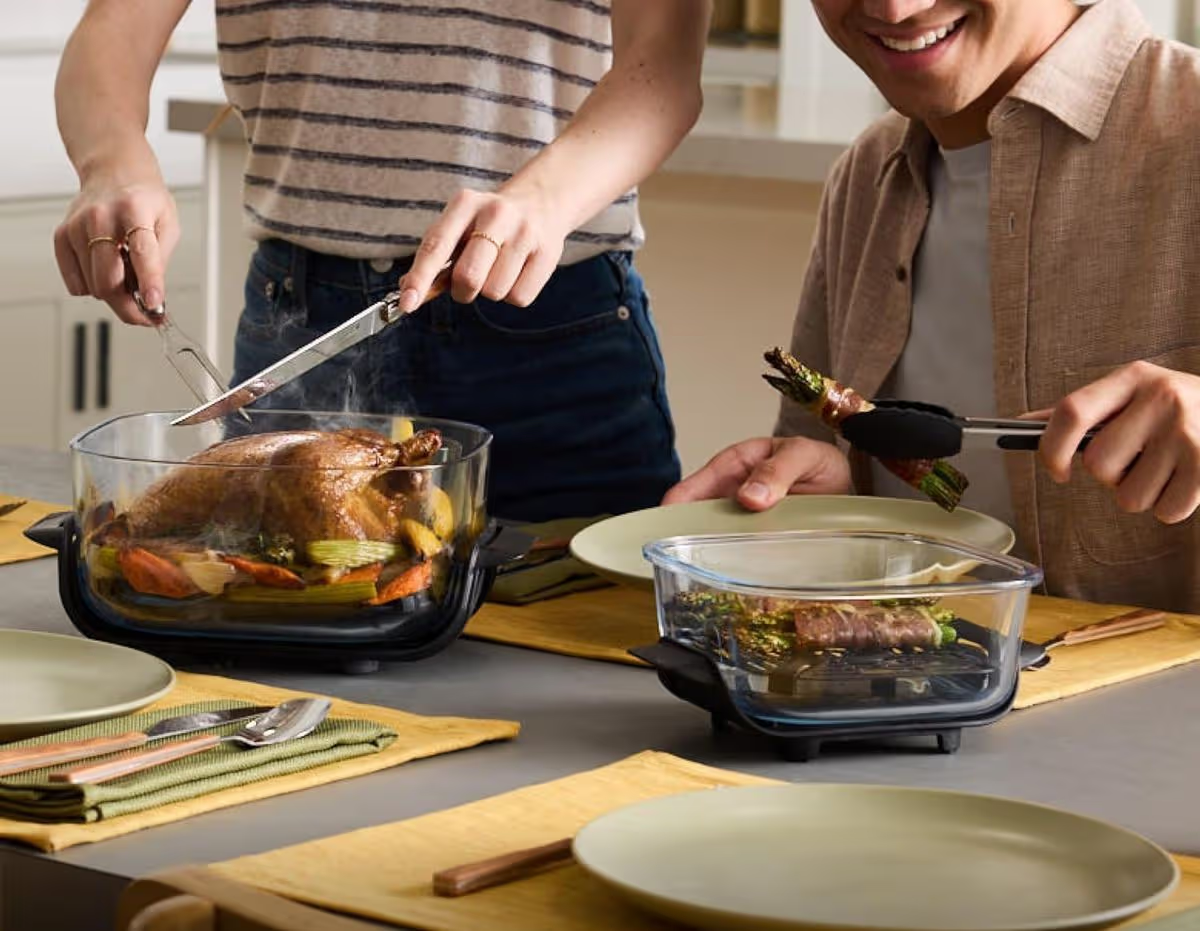
Home Appliances:
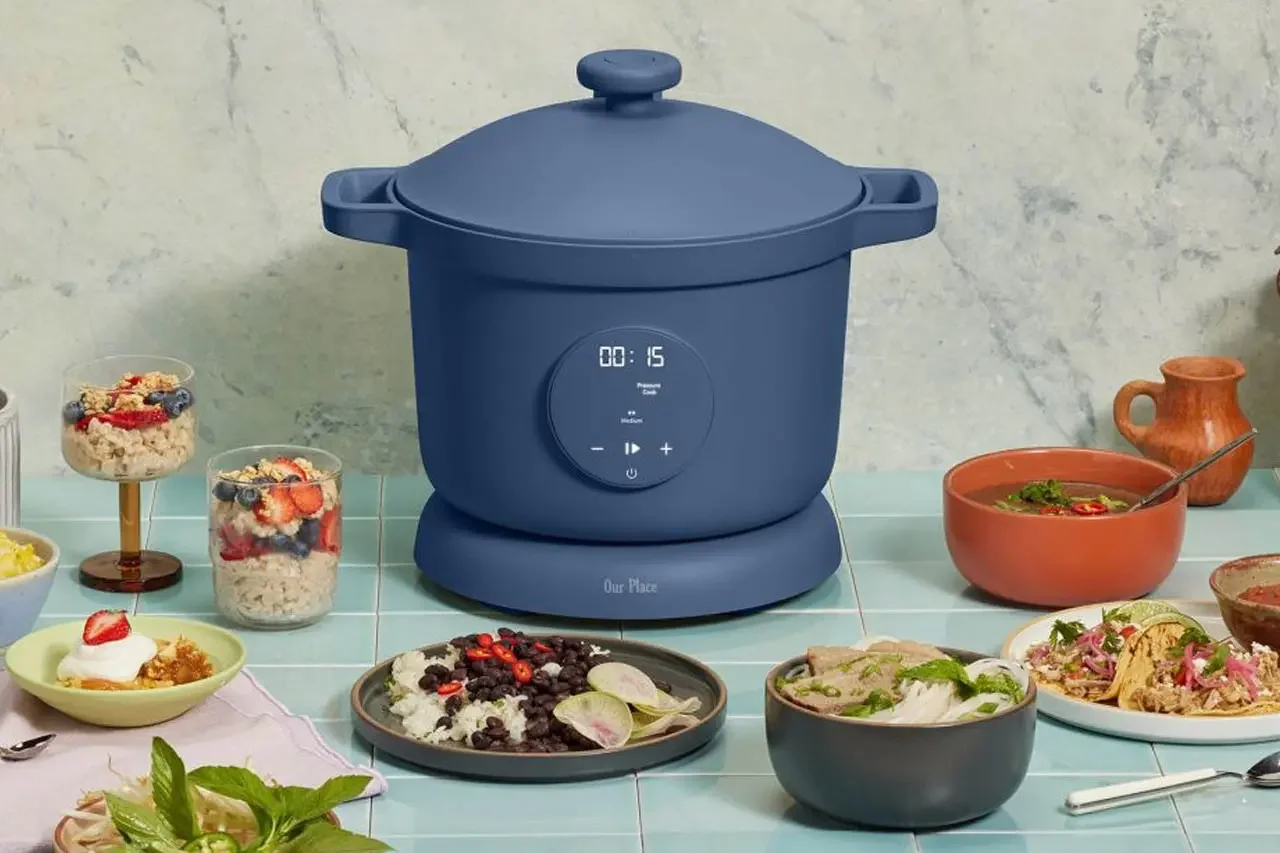
Consider ways that anyone can get involved in cooking, where meals can be served with pride.
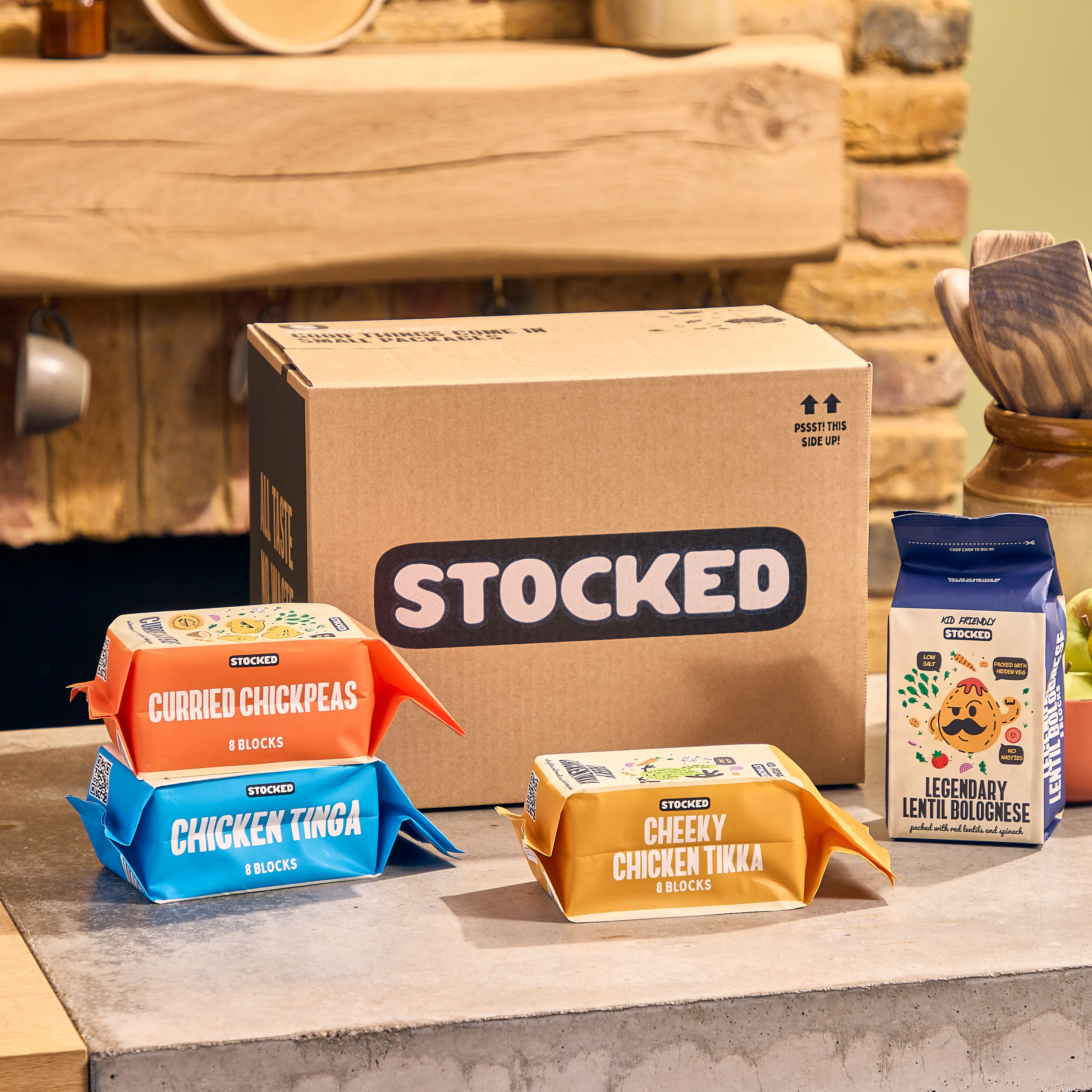
Meal Kits:
Create a feeling of always prepared, with meals that can serve as a simple mid-week dinner from the freezer.
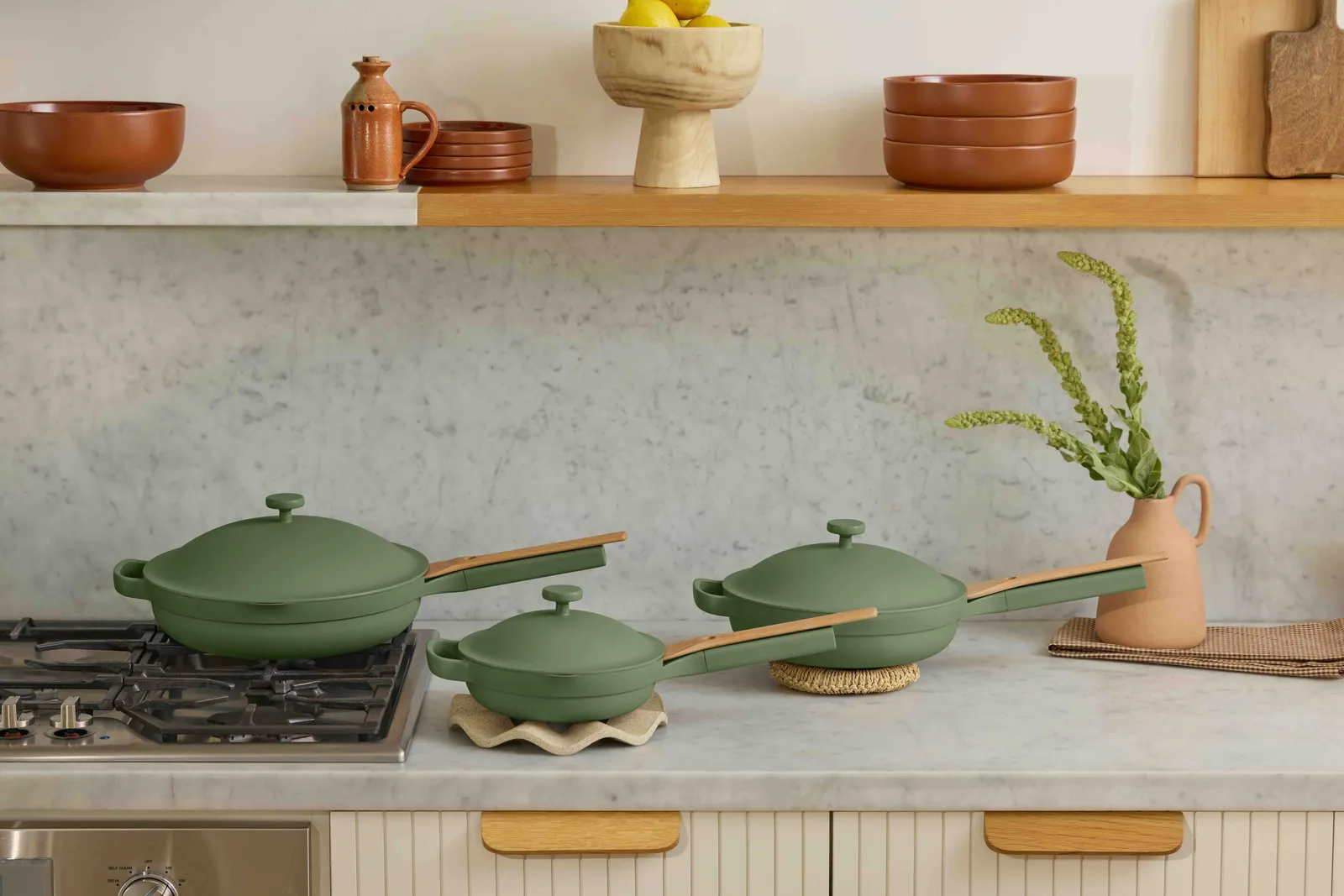
Cookware:
Elevate the cookware you encounter everyday, with small uplifts that feel both thoughtful and functional.
03 Multispecies Joy
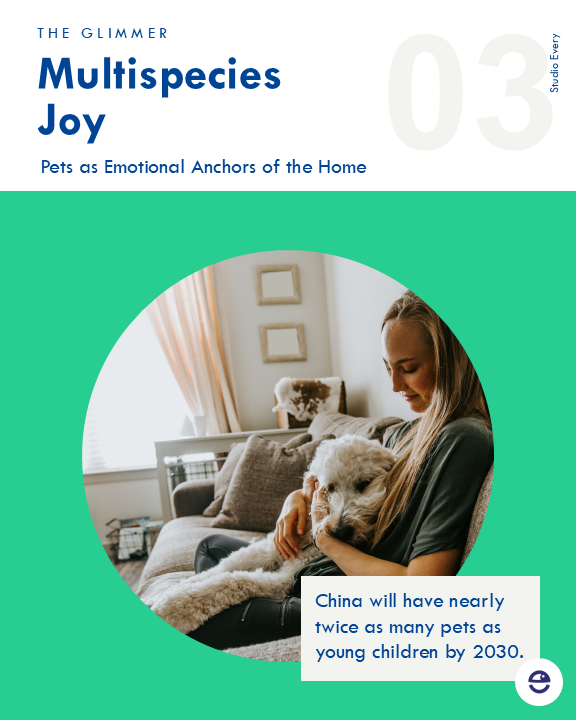
Pets as Emotional Anchors of the Home
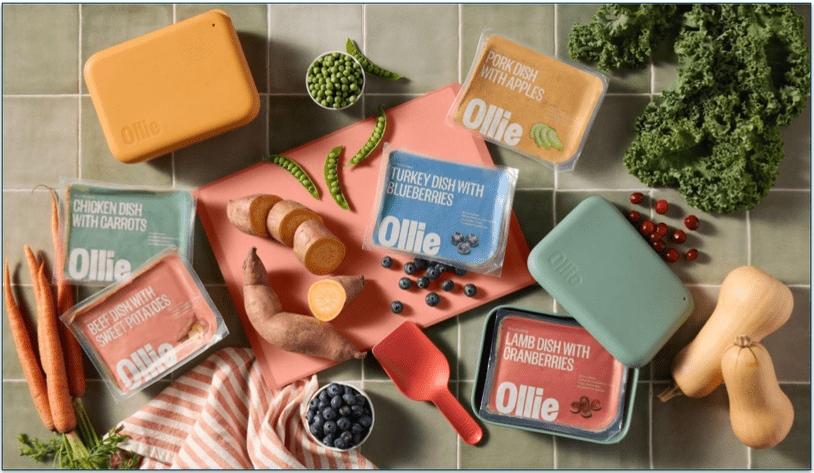
Pets are becoming central to emotional life at home, shaping routines, rituals and transforming spending behaviours.
People increasingly rank pets as primary sources of emotional support.
The Reality:
Pet ownership is rising globally, while birth rates decline In some markets pets are projected to outnumber young children.
China will have nearly twice as many pets as young children by 2030.
→ Pets are no longer companions; they are core emotional family members
Brand considerations:
Pet Accessories:
Consider how ‘pet parents’ are increasingly celebratory rituals, such as birthdays and funerals.
Pet Food:
Identify where human food trends are going, as pet food demands soon follow a similar path.
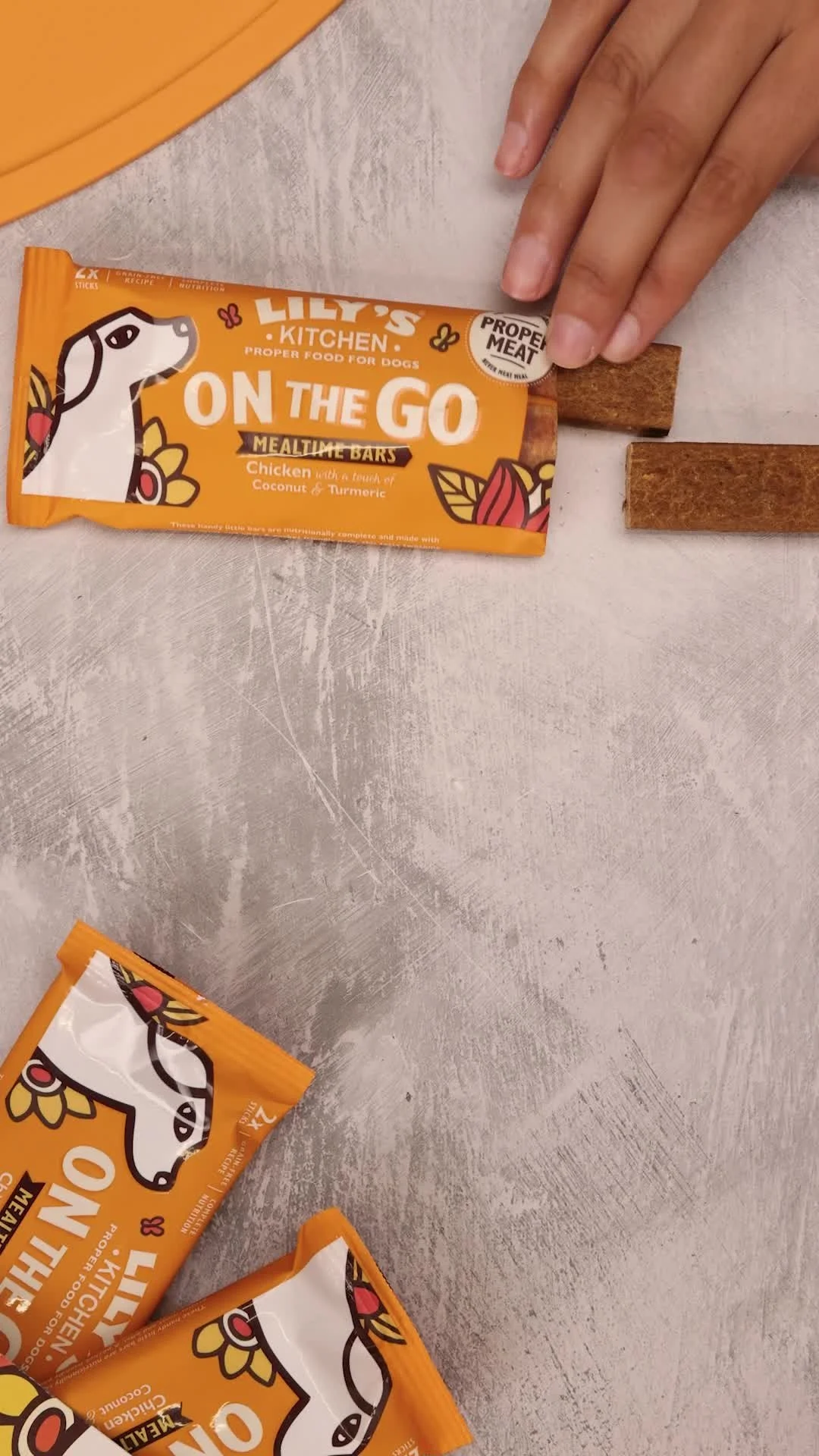
Pet Treats:
Consider moments of indulgence for pets, where treats are no longer exclusive for humans to enjoy.
Pet Snacks:
Consider how pets are joining owners more out of the home, making the out-of-home market an untapped space for convenient pet nutrition.


04 Play, Hobbies & Entertainment
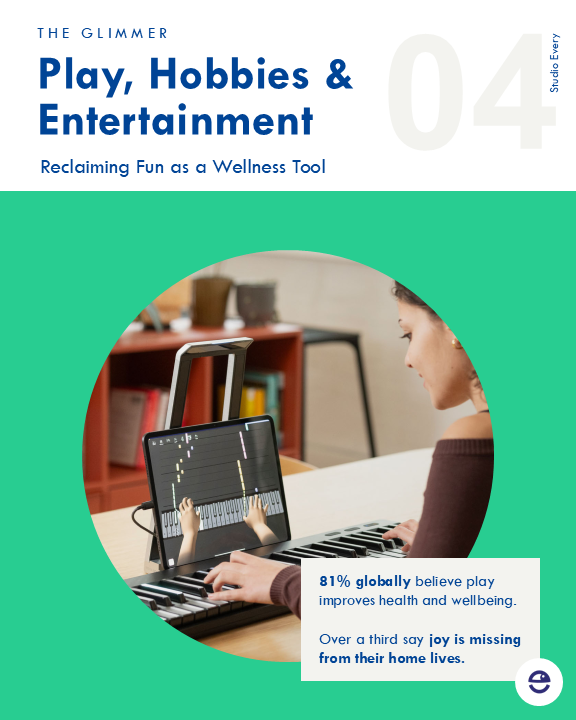
Reclaiming Fun as a Wellness Tool
Lower barriers to entry will make play feel easy, acceptable and integrated. 87% of people say play helps combat isolation and loneliness, through toys, games, where play can bridge generations and cultures.
The Reality:
Play is being re-evaluated as a critical contributor to wellbeing, not a frivolous activity.
81% globally believe play improves health and wellbeing.Over a third say joy is missing from their home lives.
→ People want more joy, but don’t always know how to access it.
Brand considerations:
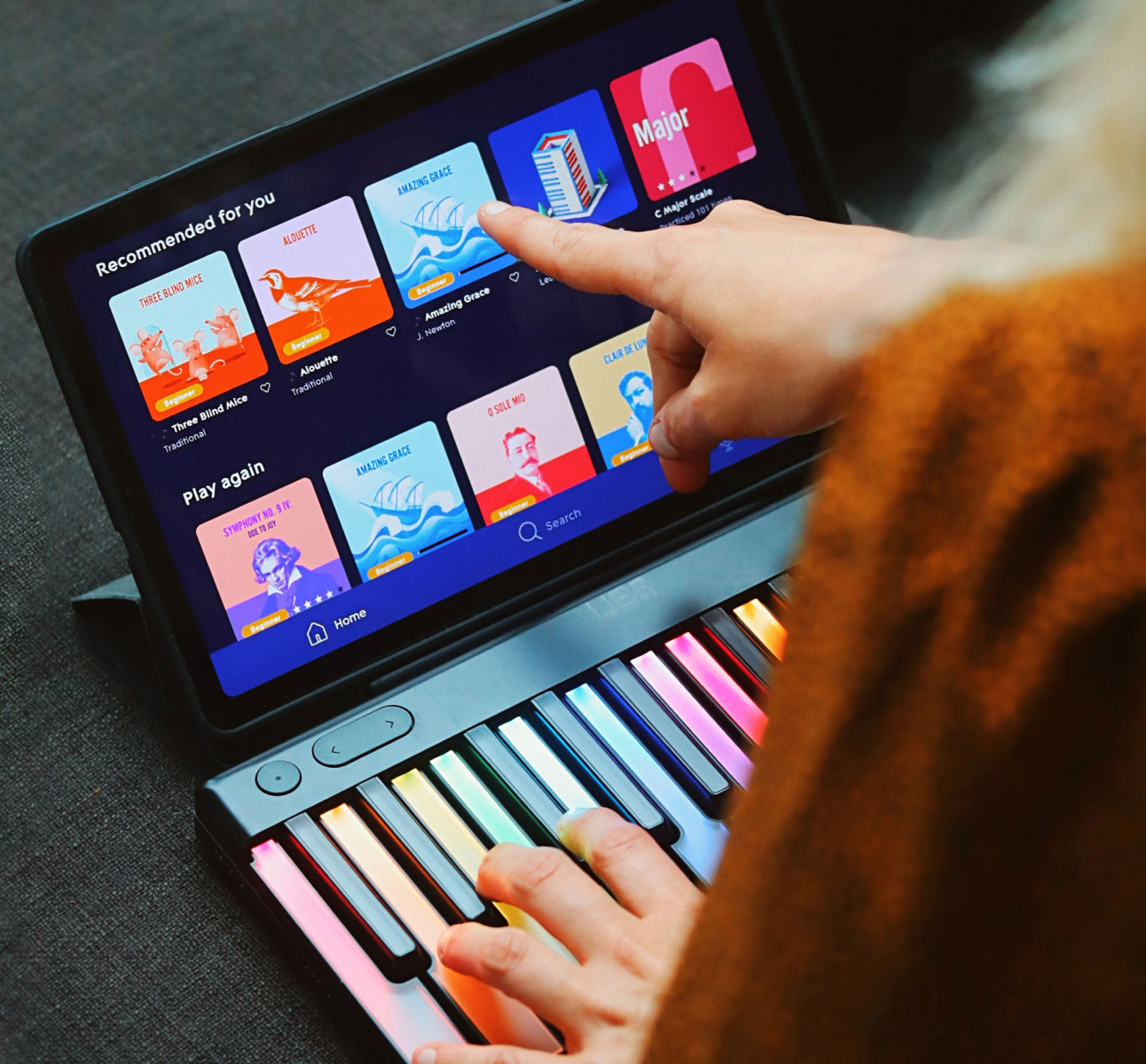
Learning:
Consider how everyday learning through technology has opened up and how we can access new hobbies and talents.
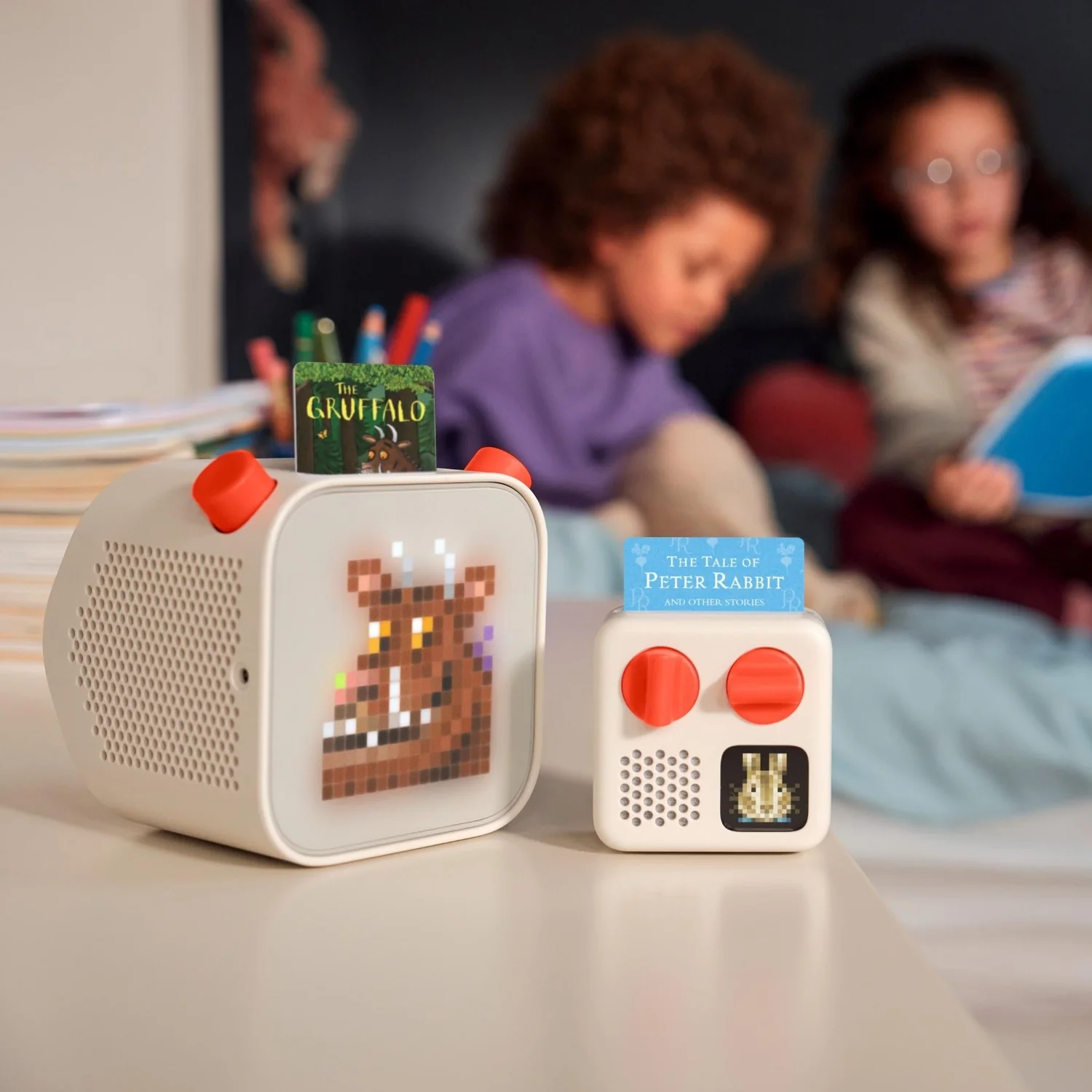
Spoken Stories:
Explore the power of screen-less interactions, where simpler forms of entertainment can be enjoyed by all audiences.
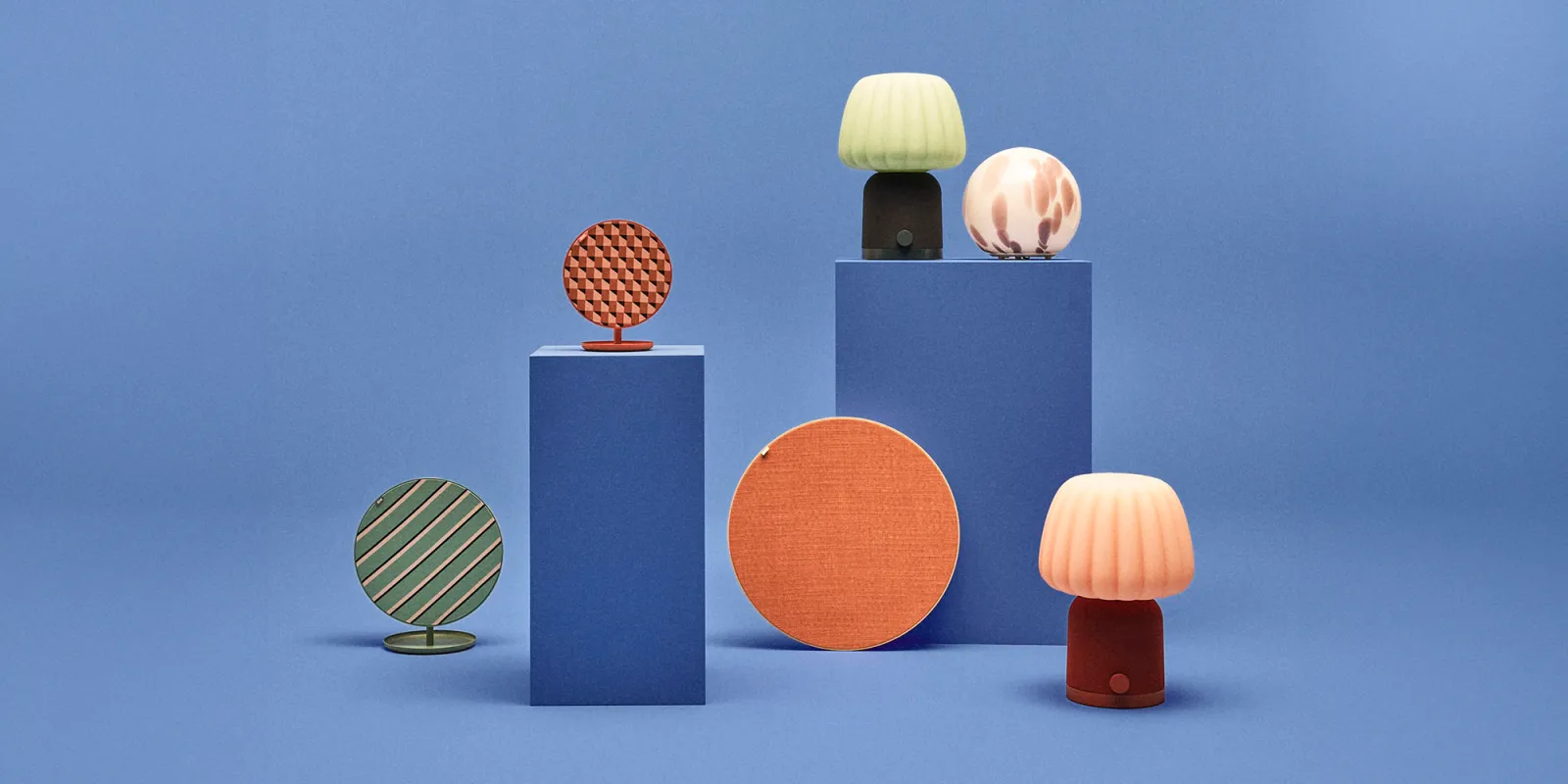
Functional Homeware:
Identify how blending objects into the living space can make an intended product multifunctional or part of the aesthetic.
Mindfulness Hobbies:
Consider how people are connecting and taking time-out with past-times that encourage no screen time and a simple step-by-step approach to progress.
05 Hosting as Social Expression
Low-Pressure Gathering in a Fragmented World
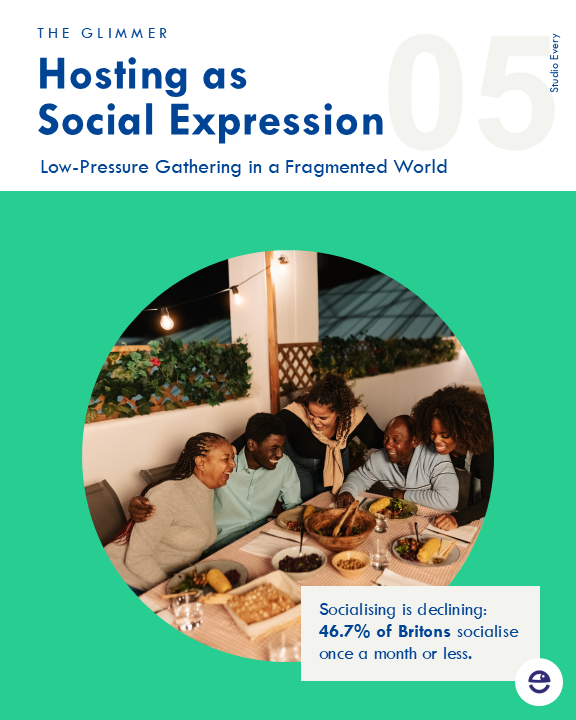
There is a rise in supper clubs, cake swaps, picnic gatherings, community dining, and shared food experiences. Hosting is becoming more participatory, less polished, more playful.
The Reality:
People want connection, but in ways that feel easier, more informal, less performative.
Socialising is declining: 46.7% of Britons socialise once a month or less.
→ People want connection but need new ways to enable it.
Brand considerations:
Social Gathering & Communities :
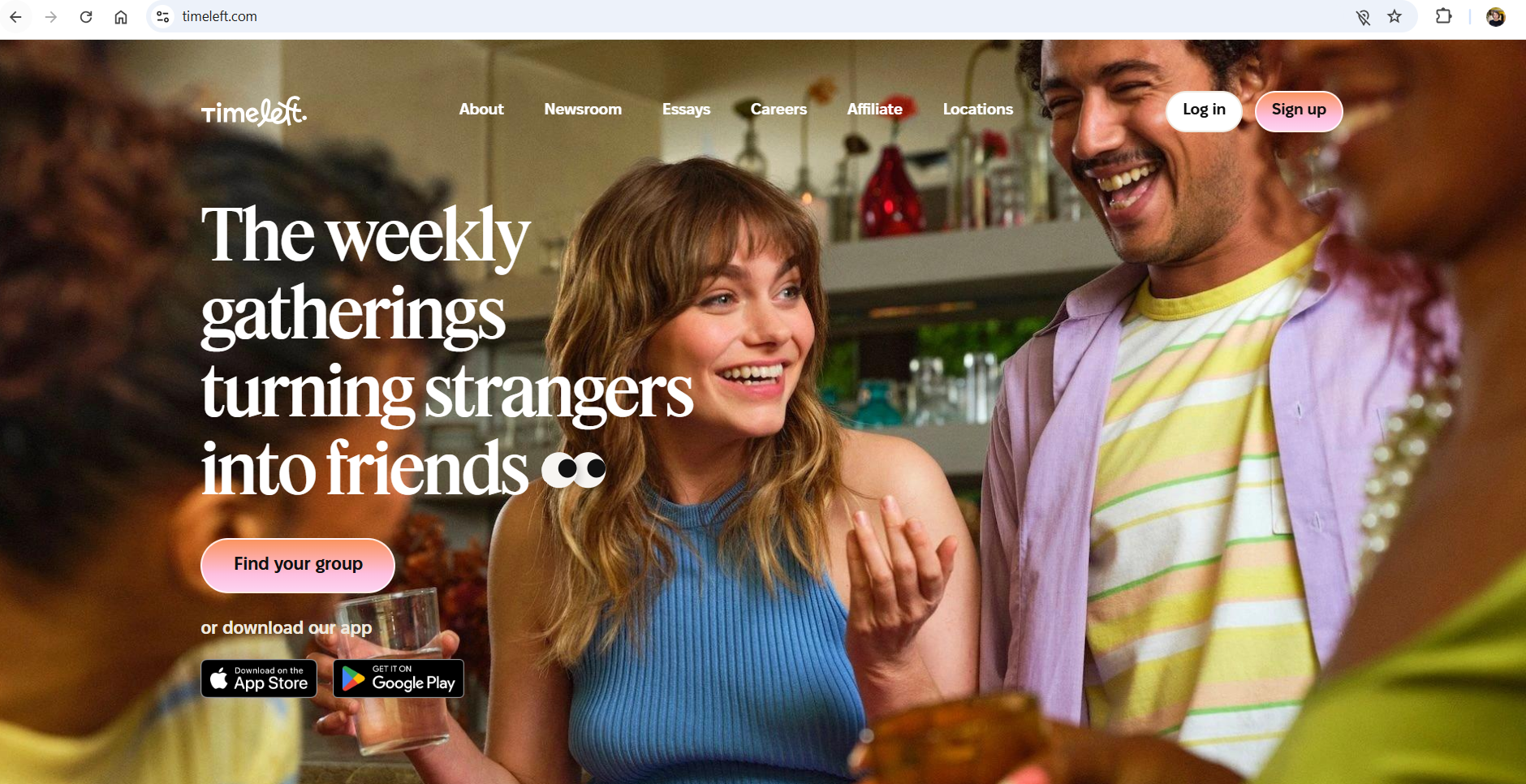
Encourage new ways that communities can engage and bring people together in neighbourhoods and cities.
Entertain Ready:
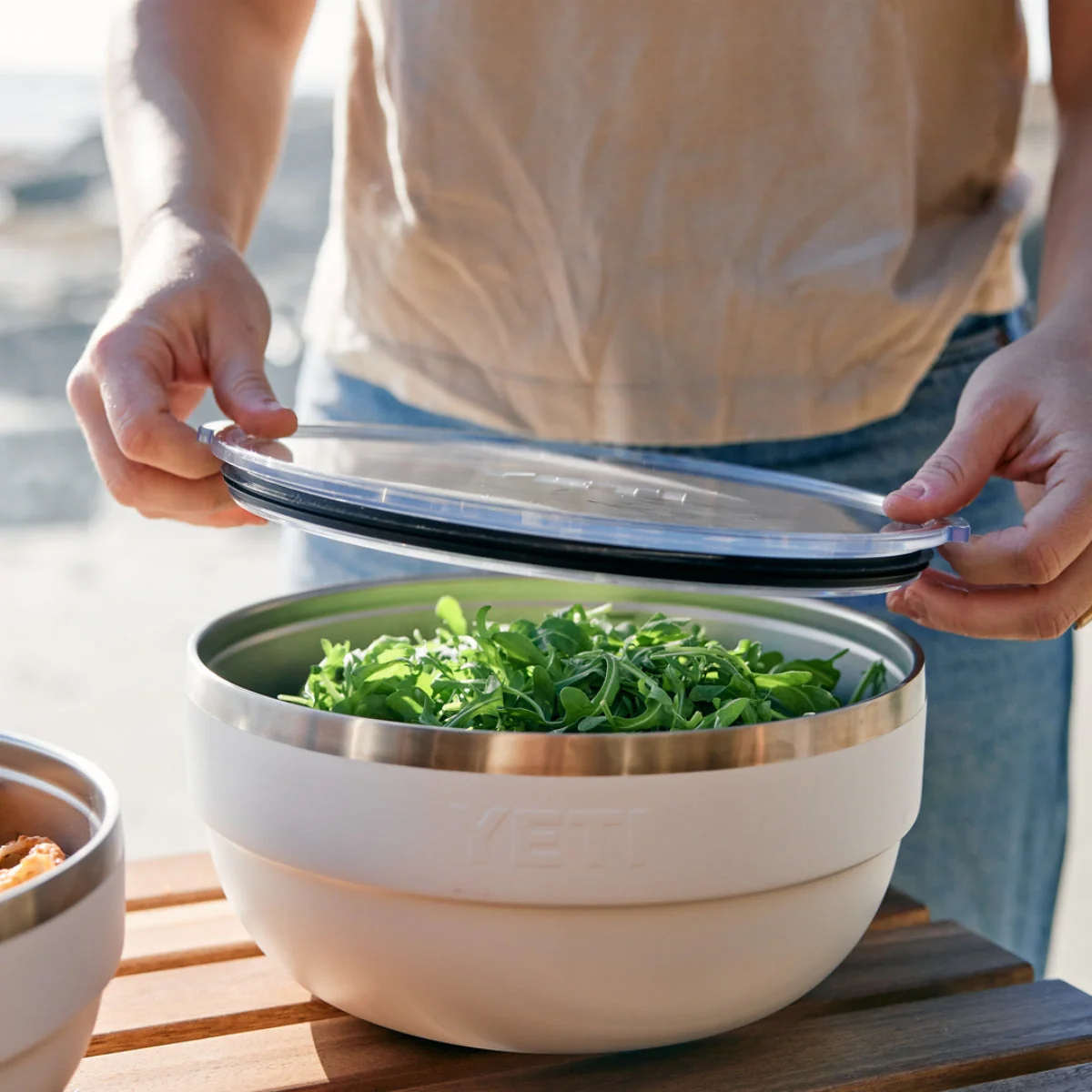
Provide ways of feeling prepared, where bringing around a dish offers a brand opportunity to transport food safely.
Easy Hosting:
Consider how to take the pressure off the host cooking and help to democratise who can host.
Tech-Enabled:
Find new ways that technology can enabling in-person connection where it merely facilitates the gathering.

Closing Perspective
The Joyful Home movement is not about aesthetics or function alone.
It reflects a deeper emotional recalibration happening inside everyday life.
As external systems feel increasingly unstable and overstimulating, consumers are investing more meaning into intimate spaces, small rituals and close relationships.
Increasingly, the brands that matter most will be the ones that understand how to contribute to that emotional ecosystem. Not simply through convenience or functionality, but through comfort, participation and emotional value.