Could performance nutrition shape the next everyday drink?
Image credit: Humantra
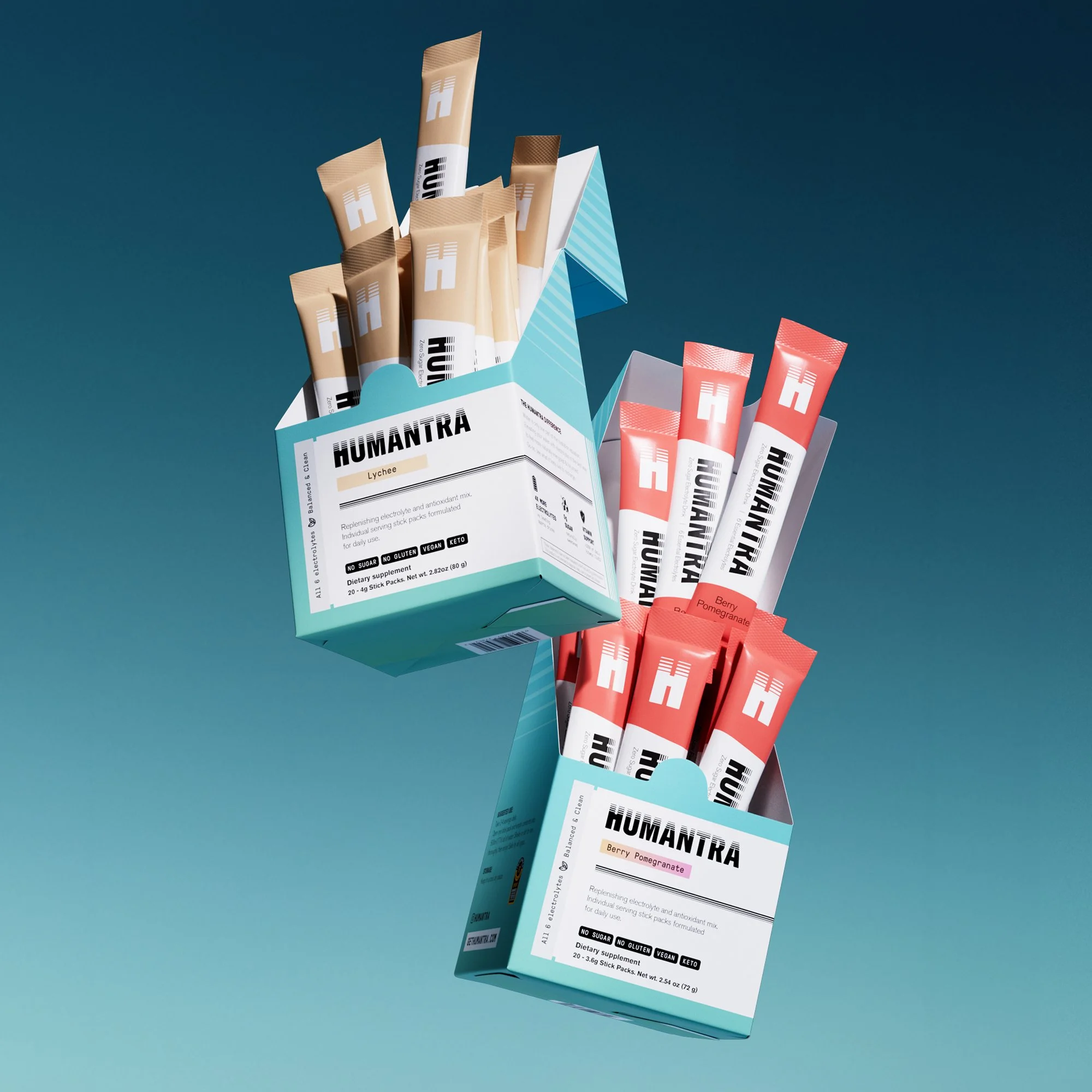
For many, electrolytes used to be associated with sport or illness. Now they're part of morning routines, travel kits and the drinks people keep at their desks.
Hydration offers a clear example of performance thinking moving into everyday life. Humantra positions electrolytes for daily use beyond athletes. Liquid I.V. has built a range that reaches into energy, immune support and gut health, and sells through more than 80,000 US retail stores.
That tells us something important: hydration plus another benefit is already here. So where might performance nutrition take everyday drinks next?
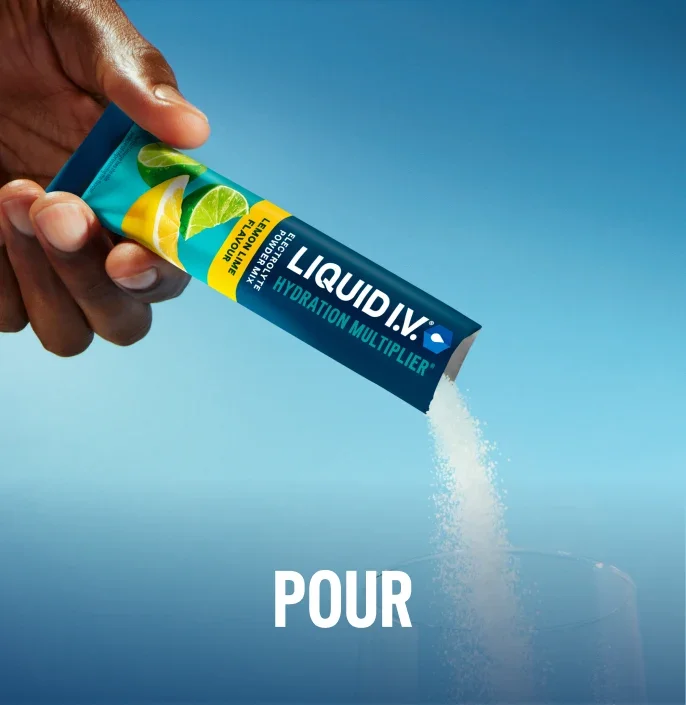
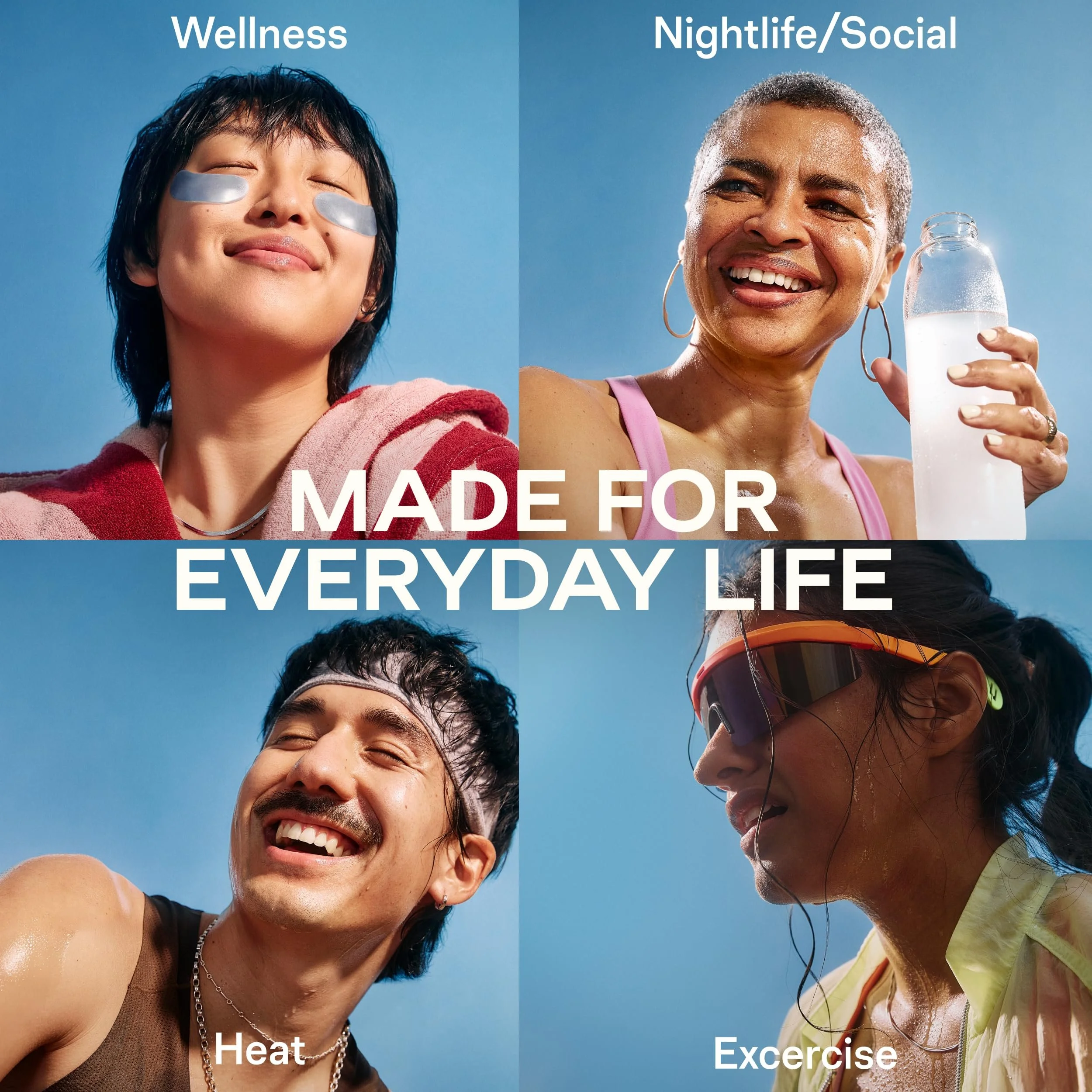
Image credit: Liquid I.V
The performance pass down
In endurance sport, products are designed around the demands of a particular session. Many brands such as Precision Fuel & Hydration and Maurten offer different sodium strengths and puts carbohydrate amounts on the front of its fuel packs. Carbohydrates are for demanding training and racing, where the amount, timing and format all have a job.
Other ingredients are travelling too, though they have different histories. Creatine monohydrate entered the supplement market in the early 1990s and built its reputation around athletic performance. Create Wellness now pairs it with electrolytes in a daily drink mix sold at Target.
Collagen has a wider lineage. It has been studied for joint conditions and used in medical materials. Today, Veloforte presents collagen through a training and recovery lens, while last year Vital Proteins launched a collagen and protein RTD shake for everyday protein intake and overall wellbeing.
The movement across clinical, sports and beauty contexts shows how an ingredientcan acquire new roles in a drink. It does not tell us which proposition will endure.
Image credit: Precision Performance, Maurten, Create, Veloforte.
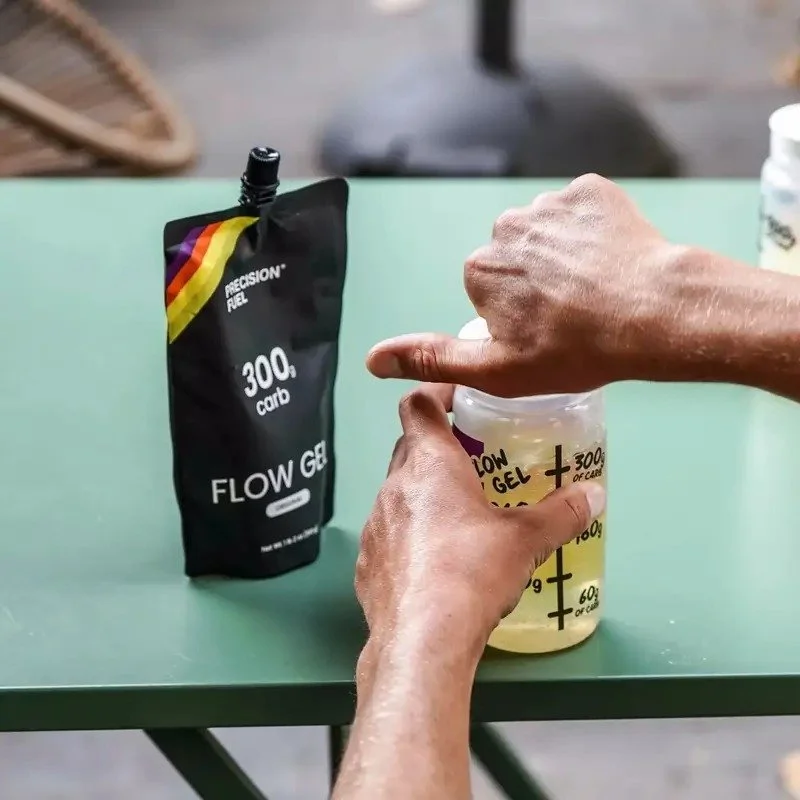
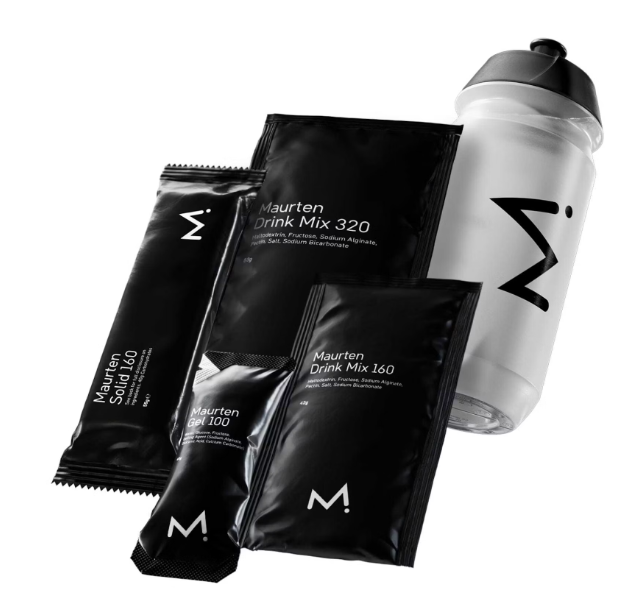
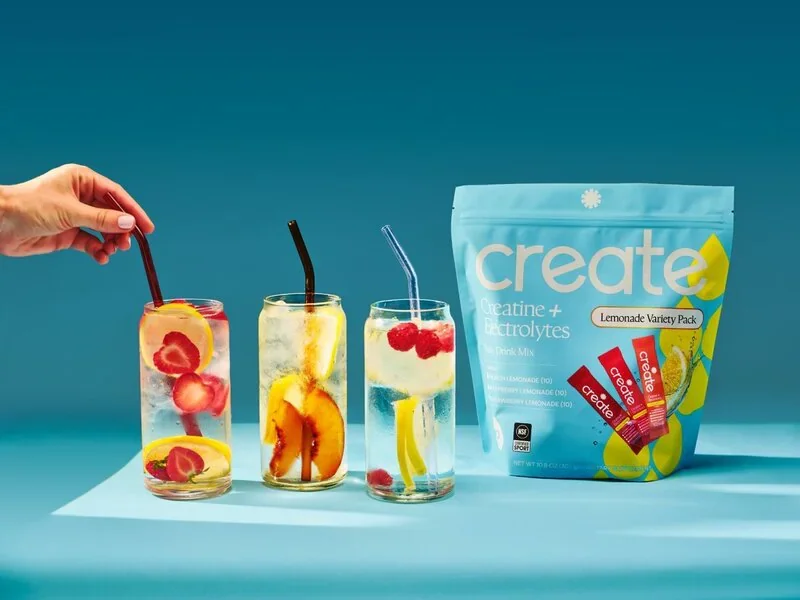
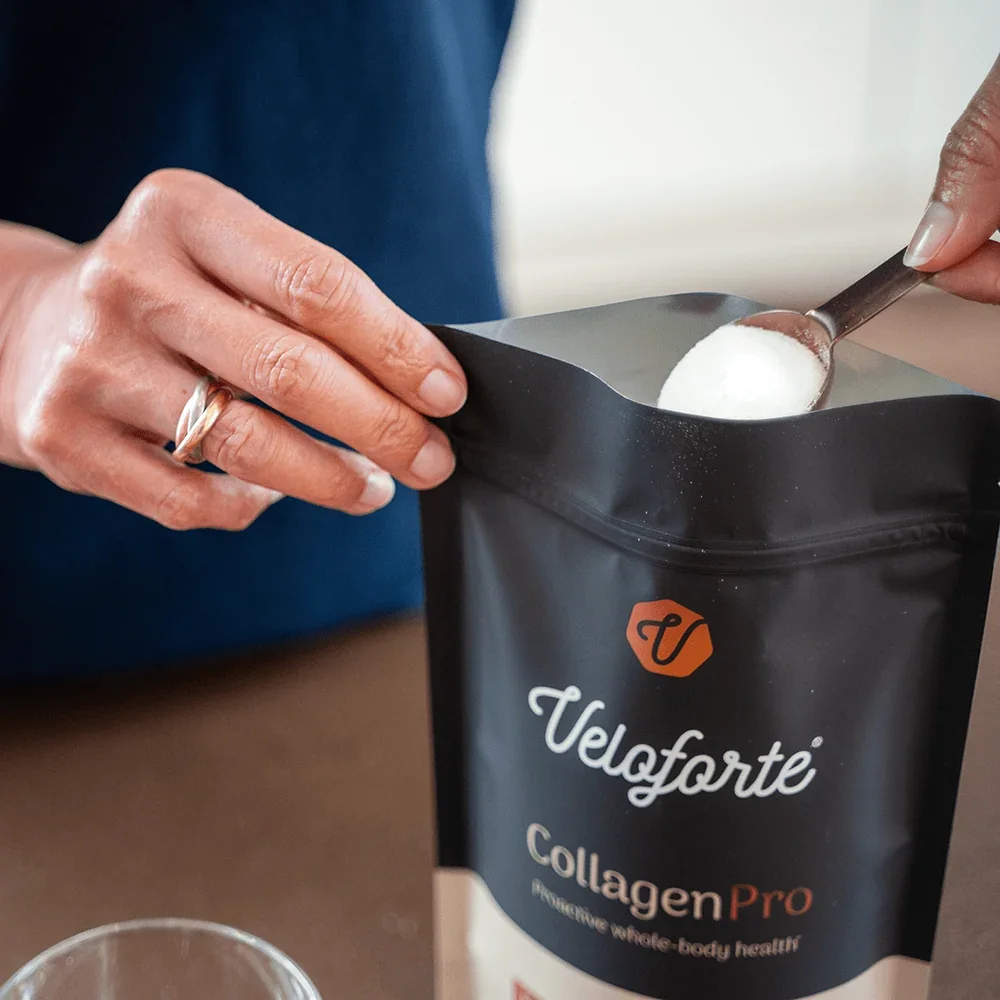
Image credit: Nomio
From replenishing
to sustaining
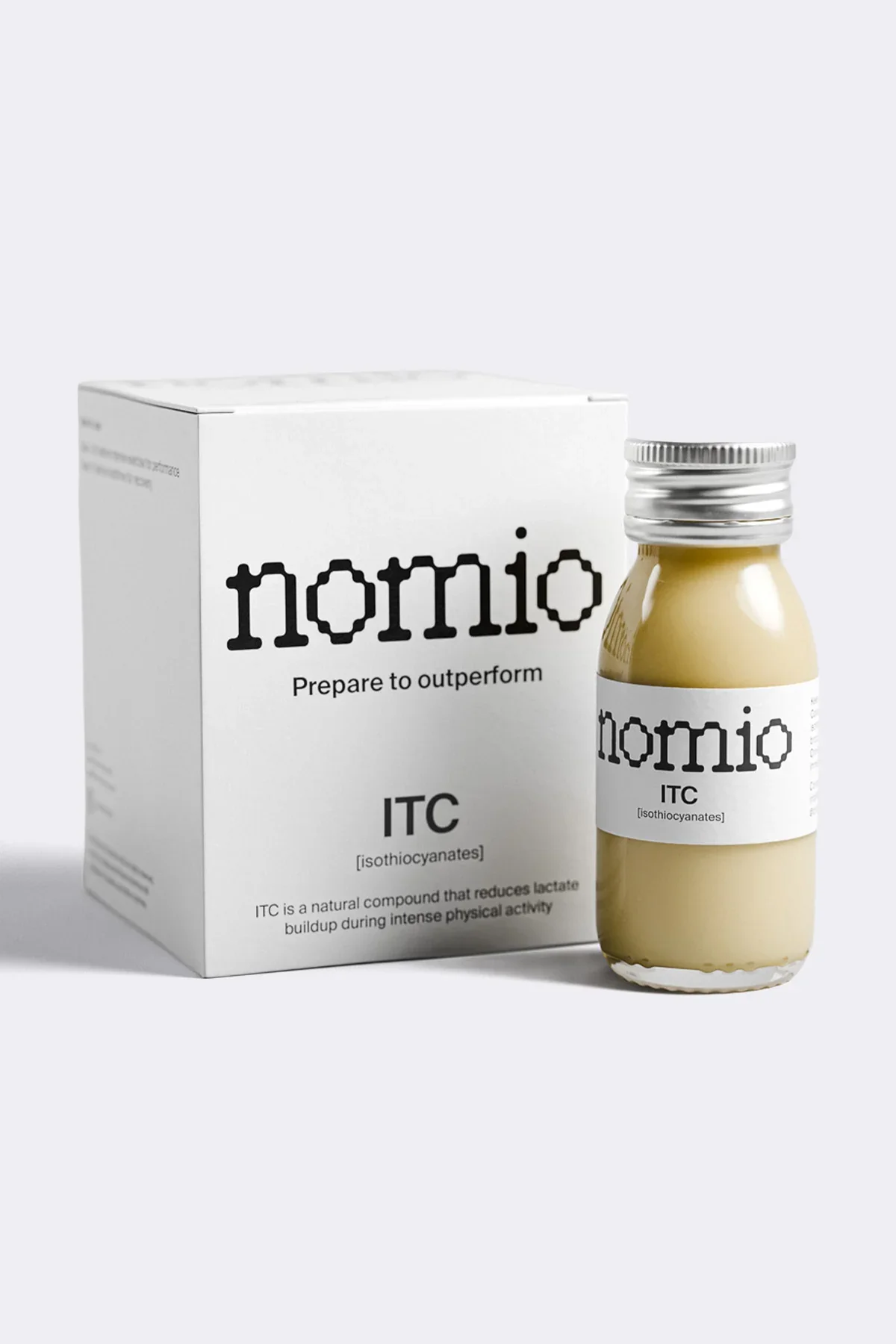
Nomio offers a glimpse of a further frontier. Its broccoli-sprout shot is aimed at endurance athletes looking to sustain hard effort for longer. The brand is exploring whether isothiocyanates can affect the NRF2 stress-response pathway and blood lactate during exercise. It recommends a shot around three hours before a hard session or race, or before bed after an especially demanding day. The timing is part of the proposition.
The studies are small, and the acute lactate findings remain a preprint. A shift in blood lactate alone does not prove delayed fatigue. But Nomio poses an interesting innovation question: could a drink help people sustain what matters to them for longer?
In everyday life, that might mean focus through a demanding afternoon, more consistent energy or feeling better equipped for tomorrow. These are questions to investigate, not benefits Nomio has demonstrated.
It also demands discipline. As performance director Claire-Marie Roberts discusses, sleep and adequate nutrition remain the foundations of recovery. A drink must show what it adds alongside them.
This points to a potential next movement in everyday drinks. Performance offers clues about how to match an ingredient, amount, moment and format to a specific demand. The starting point for consumers is simpler: What do I want to do, feel or sustain today?
Performance has already influenced what everyday hydration contains. It may also lead where everyday drinks go next: helping people sustain what matters to them.