Shortgevity: Making wellbeing work harder for life now.
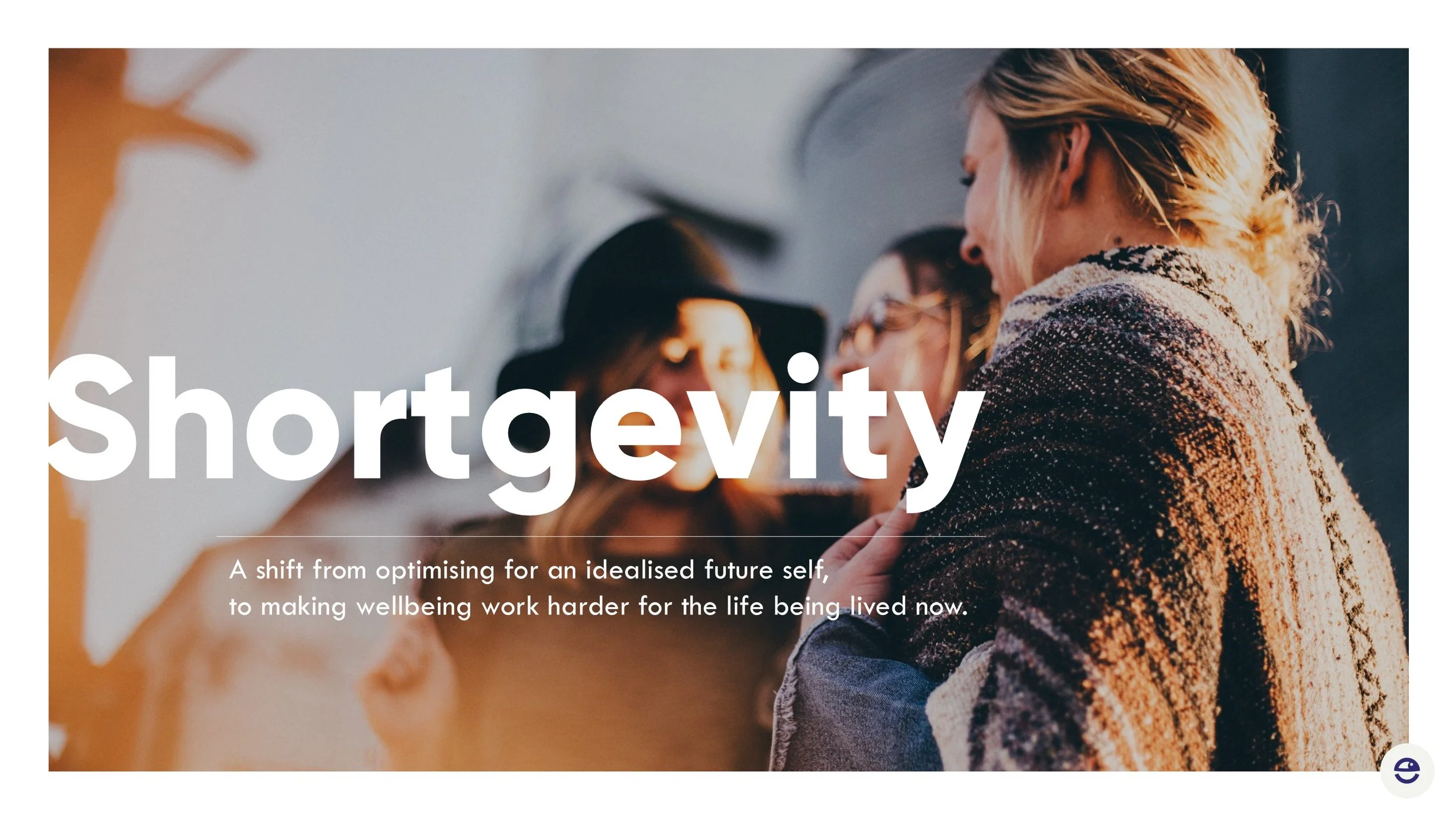
From optimising for an idealised future self, to making wellbeing work harder for the life being lived now.
We've reached peak wellbeing. Or at least, peak advice about it.
Consumers have never had more health information, more data or more ways to optimise themselves. Longevity, hormones, gut health, inflammation and biological age have all become part of everyday conversation.
The promise was simple: the more we know, the healthier we can become. But more knowledge hasn't necessarily brought more confidence. Instead, wellbeing can feel like another thing to manage. Another metric to track. Another habit to build. Another thing we should be doing.
We're calling this optimisation fatigue. And we think it's beginning to change what people want from wellbeing. Rather than pursuing perfect health in some distant future, people are looking for ways to feel confident in their wellbeing today. Protecting what matters, making health work around their lives and adapting as their needs change.
We call this shift Shortgevity. Not a rejection of longevity, but a reframing of what good health is actually for.
We see three emerging shifts that could change how brands approach health and wellbeing innovation.
01. Making Longevity Tangible
From living longer, to protecting what makes life worth living.
Longevity has largely been framed around a distant ambition: living longer. Biological age, preventative health and inflammation promise benefits measured in years or even decades. But people experience the value of their health through what their bodies allow them to do today.
Having the energy to enjoy the weekend. The strength to keep moving. The confidence to travel, exercise or simply get on with everyday life.
Perhaps the next opportunity for preventative health is to make these long-term benefits feel more tangible.
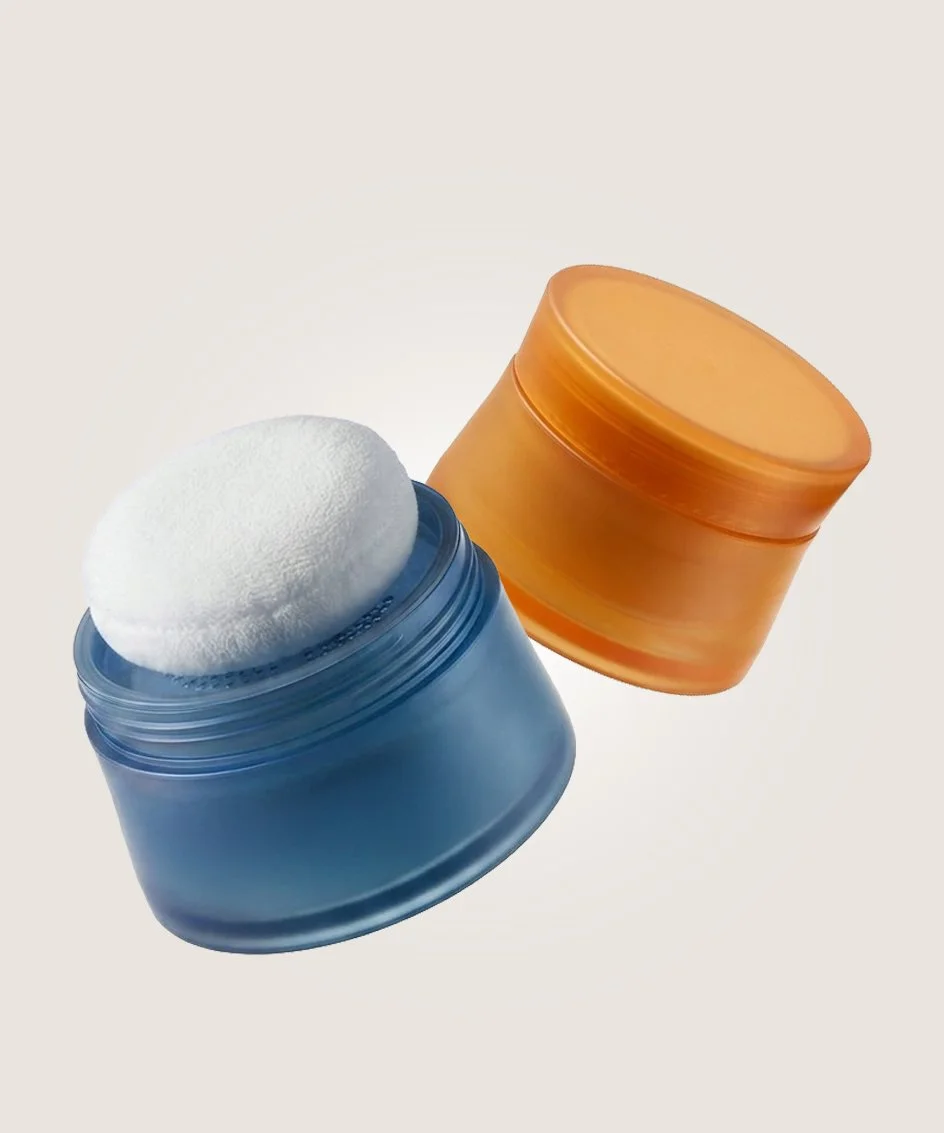
Take hair care. Hair loss is often addressed once thinning has become visible. But could everyday styling products play a more preventative role, helping people care for their scalp and preserve hair health through routines they already have?
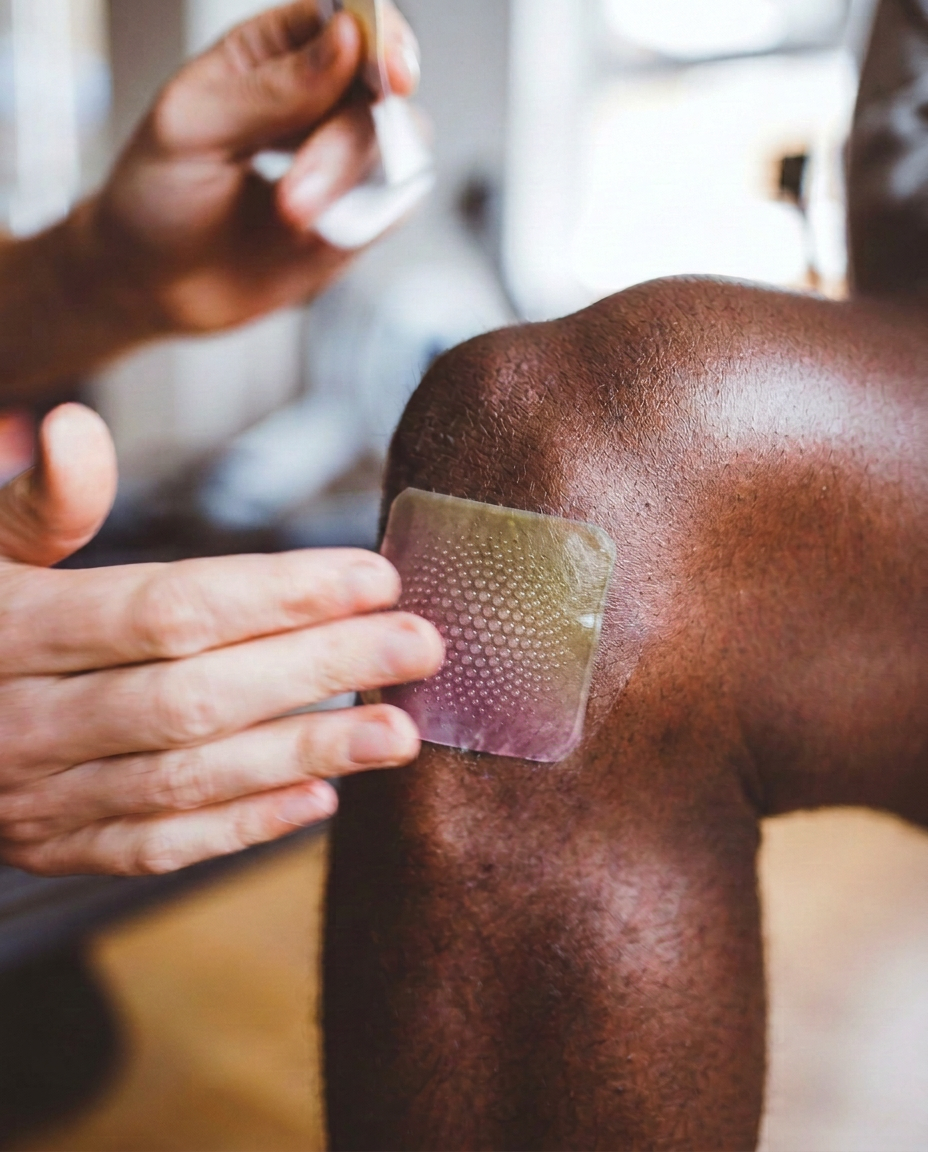
Or joint care, which typically responds when movement becomes uncomfortable. What if brands started with the activities people want to keep enjoying, rather than simply the pain they want to relieve?
These examples shift the conversation from treating problems to preserving capability.
The opportunity isn't simply to help people live longer. It's to help them protect what makes life worth living.
02. Life-First Health
From optimising health, to enabling life.
Health has increasingly become a goal in itself. We track sleep, optimise nutrition, manage recovery and pursue better biomarkers, often without asking what all that health is actually for.
Yet people rarely aspire to healthier bodies for their own sake. They want the energy to enjoy a demanding day, the confidence to say yes to plans, the freedom to be spontaneous or simply to feel more like themselves.
What if we started with the life people want, then worked backwards to the health they need?
Consider allergy care. Hay fever products have traditionally focused on relieving symptoms, but congestion and irritation can also disrupt sleep, affecting how someone feels the following day.
Could allergy innovation move beyond daytime symptom relief towards protecting a good night's sleep and enabling a better tomorrow?
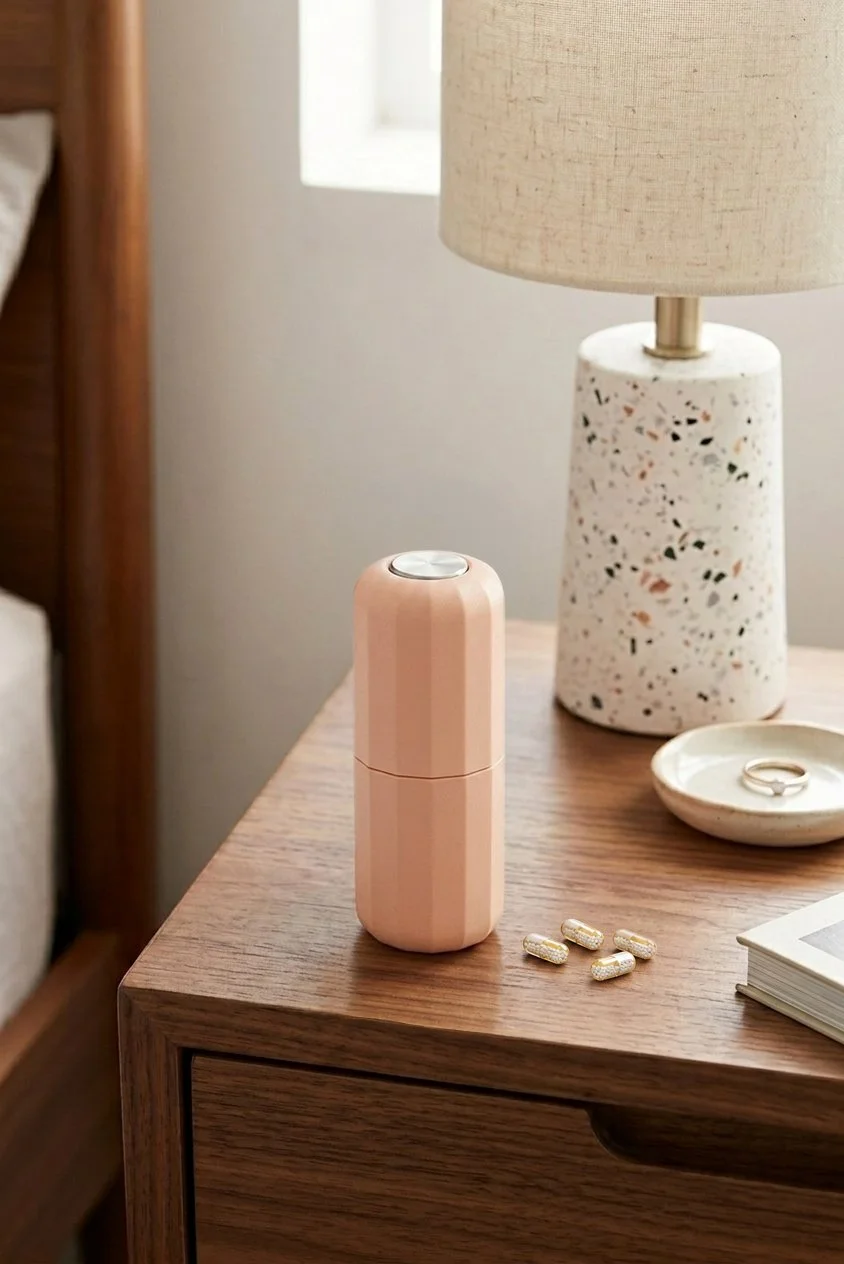
Or intimate wellbeing, where products often focus on addressing discomfort in the moment. Could brands think more broadly about preparing for pleasure, creating rituals that build comfort, confidence and anticipation throughout the day?
In both cases, the starting point changes. Rather than defining the problem through a symptom or condition, we begin with the experience someone wants to have.
The opportunity is to design around life, not just the body.
03. Embracing Change
From wellbeing for who you are, to wellbeing that evolves with you.
Wellbeing has spent years becoming more personalised. Products tailored to our age, biology, concerns and individual needs.
But recognising that we're all different is only part of the story.
We're different from ourselves, too.
Hormones shift. Bodies age. Routines change. Parenthood, menopause, stress and recovery continually reshape what feeling well looks like.
Yet many health categories still design for relatively fixed needs, expecting consumers to recognise when those needs have changed and find something new.
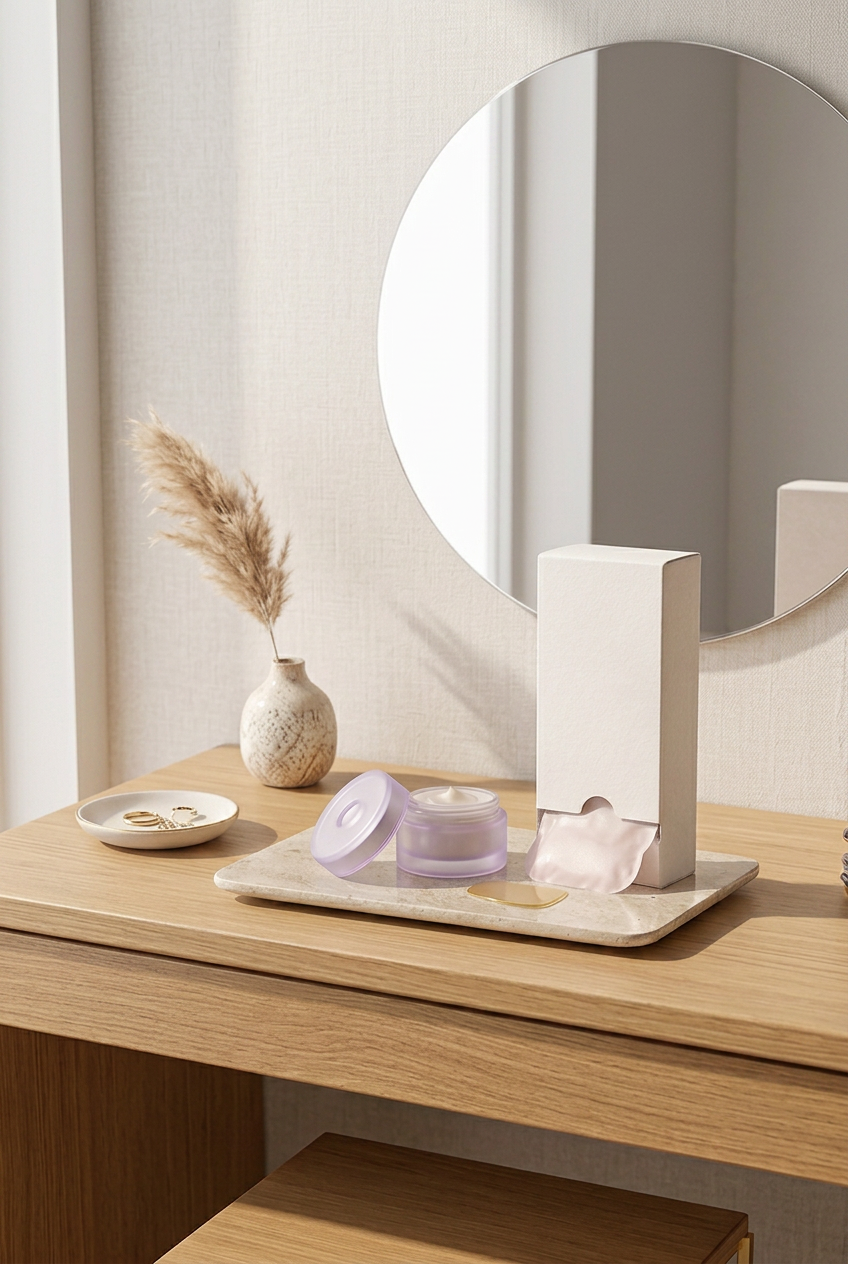
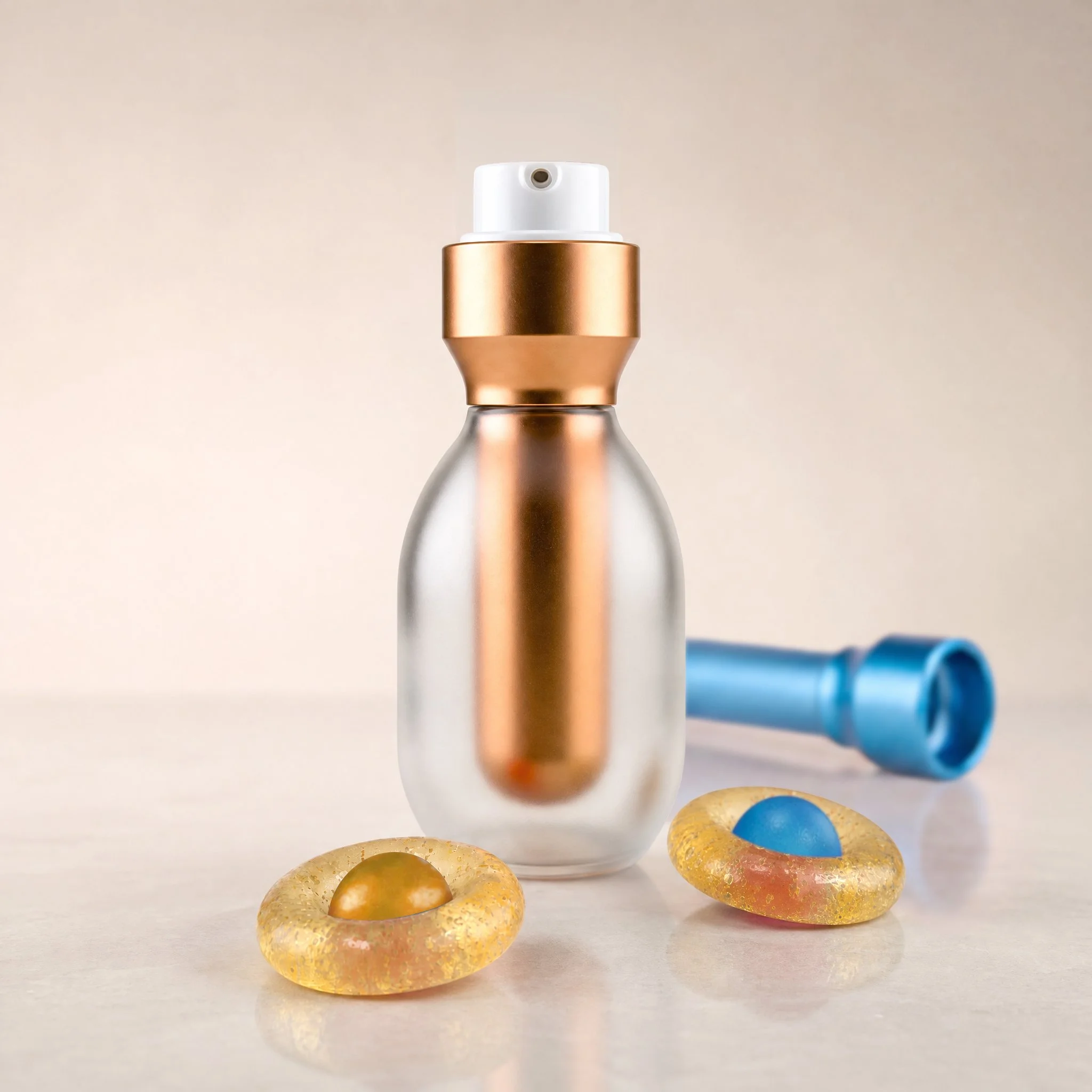
Skincare is one example. Skin responds to hormones, stress, sleep, medication and ageing, but routines are often organised around individual concerns or particular life stages.
Could skincare become a more adaptable system, with products and benefits that evolve alongside people rather than requiring them to repeatedly start over?
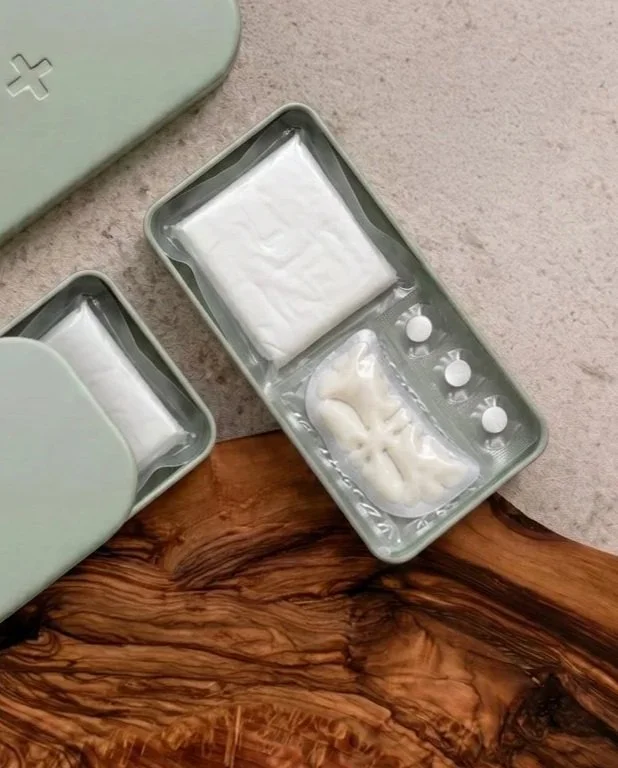
Menstrual care presents another opportunity. For tweens and teens, cycles can be unpredictable. During perimenopause, that uncertainty can return.
Although these are very different life stages, both reveal a shared need: the confidence to manage uncertainty without having to anticipate everything. Perhaps the next generation of wellbeing products won't just be personalised. They'll be designed to change with us.
The opportunity is to create products, services and brand relationships that remain relevant as life evolves.
From more health to more life
Taken together, these shifts suggest a different direction for health and wellbeing innovation. People aren't necessarily becoming less interested in their health. But they may be becoming more selective about what deserves their attention, effort and investment.
Sometimes that means protecting the abilities they value most. Sometimes it's about feeling better equipped to enjoy everyday life. And sometimes it's simply knowing that the products they rely on can adapt when life doesn't go to plan.
For brands, this changes the innovation question. Rather than asking how we can help consumers become healthier, perhaps we should ask: what could better health enable them to do, enjoy or feel more confident about?
The future of wellbeing may not be defined by how much longer we can live, or how perfectly we can optimise ourselves.It may be about making the life we're living now a little better.
In our latest thought piece, Shortgevity, we explore these three shifts and six innovation provocations across consumer health, personal care and wellbeing.
Get in touch if you'd like to see the full perspective and explore what these emerging opportunities could mean for your brand
niall.mcriner@studioevery.com